
Drinking Water Program Articles & Analysis
18 articles found
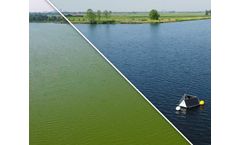
Introduction Treatment of water is the backbone of safe supply. Utilities select methods of treatment based on source risks, then verify performance with monitoring against standards. When teams design water system treatment around actual hazards, plants run efficiently, taste and odor issues drop, and compliance stays steady during blooms and storms. Below we compare these different treatment ...
Free and Total Chlorine and/or Chloramine concentration) is one of the most essential practices in drinking water management programs. This ensures that sufficient protection is maintained at all points in the distribution system. ...

Household water treatment (HWT) can reduce the diarrheal disease burden in populations without access to safe water. We evaluated five programs that distributed biosand, ceramic, or Sawyer filters in Haiti after the 2010 earthquake and cholera outbreak. We conducted household surveys and tested Escherichia coli and turbidity in stored household untreated and treated water in ∼50 randomly ...
National drinking water programs seek to address monitoring challenges that include self-reporting, data sampling, data consistency and quality, and sufficient frequency to assess the sustainability of water systems. India stands out for its comprehensive rural water database known as Integrated Management ...
The aim of this study is to elicit local residents' willingness to pay (WTP), by applying the contingent valuation method as a surcharge on their water bill, for a given improvement in the drinking water quality and the supply reliability. The mean WTP for the drinking water quality improvement ...

On a much larger scale, New York City has spent $1.7 billion on programs to protect the watersheds around its drinking water reservoirs in upstate New York, some of which are 125 miles from the city. ...
Arsenic contamination of groundwater in Bangladesh is a widespread public health hazard. Water sources without high arsenic levels are scarce, affecting people's availability for work and other activities when they have to seek safe water to drink. ...
Challenge: A state environmental agency contracted with Antea Group to assist in the execution of a state-wide clean drinking water program. Program objectives included the development of an efficient and standardized program to monitor for chemical and biological contaminants across more than 6,500 public ...
Leading water suppliers use Laboratory Information Management Systems (LIMS) to integrate the sample collection and analysis process, helping to maximize the efficiency of these programs. ...
India being a vast and diverse country, we face many challenges in ensuring reliable, sustainable safe drinking water supply to rural households of the country. Though, in terms of provision of safe drinking water, we have covered more than 90 percent of the rural households, according to the National Sample Survey Office (NSSO) ...
Appendices 1 and 2 show letters from the US EPA indicating acceptability through the Alternate Test Program for both drinking water and wastewater sample analysis. 1.0 Scope and Application 1.1 This method measures total mercury (organic plus inorganic) (CAS Registry No. 7439-97-6) and is applicable to waters regulated under ...
Developing countries often struggle to conduct laboratory-based water quality testing programs due to a lack of financial and technical resources. ...

The chemicals include a significant number of Toxic Substances Control Act (TSCA) chemicals that EPA has identified as priorities under the Safe Drinking Water Act (SDWA) and that may be found in sources of drinking water. ...
Corrosion is an important problem in drinking water because it can affect public health due to leaching of lead or other metals into the drinking water. For this reason, a corrosion control program is an important measure to help mitigate exposure to lead in drinking water. The ...
Aim: To determine factors associated with microbiological safety of public drinking water systems in regional New South Wales (NSW), Australia. Method: We analysed 107,000 end-user drinking water samples for an association between detection of Escherichia coli and drinking water system features, ...

A long-term, international investment in scientific study of the Earth’s climate is now resulting in a scientific consensus concerning climate change and its impacts on water resources. The 'National Water Program Strategy: Response to Climate Change' provides an overview of the potential effects of climate change on water ...

Beta Site Evaluation of the EPA Carbamate in Drinking Water Method 531.1 with Pickering Laboratories Pinnacle PCX Integrated LC/Post-Column Derivatization Instrument. ...
In response to growing concerns about the quality and future availability of safe drinking water, federal and state programs have begun to systematically replace virtually all UST’s installed before 1986 either with above ground tanks, or with new underground tanks having built-in protection systems. ...