
Refine by
Drinking Water Standard Articles & Analysis
213 articles found
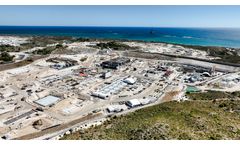
Post‑treatment chemicals are then applied only as required to align with the Australian Drinking Water Guidelines, allowing water quality to be optimised through design rather than chemical correction alone. ...

A Single source water and wastewater treatment company with total capability to design, supply, and construct water and effluent treatment facilities. ...

Although the basic indicators meet Tanzania’s drinking water standard TZS 789:2018, the hard water characteristics pose numerous risks to residents’ daily water use and the operation of the pipeline network. To address the issues of high groundwater hardness and insufficient water ...

Learn how ECI consultants radically reduced costs and wastes while improving working conditions and ensuring compliance using 900 Series ...

Introduction Water and pH sit at the heart of water quality decisions because when potential of hydrogen changes, metals dissolve, pipes corrode, and this is how ecosystems behave. Even when water looks clear, the pH levels can drift with weather, geology, and biological activity. This guide explains what are the optimal levels of safe drinking water parameters, why it matters, and how to ...
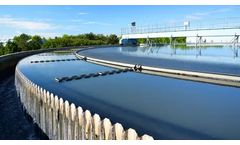
Access to clean, drinkable water represents one of humanity’s most fundamental needs, yet ensuring its safety requires meeting strict quality criteria to prevent serious health risks. Despite technological advances in water treatment, approximately 2.2 billion people worldwide still lack access to safely managed drinking water services. This leads to preventable diseases and deaths. ...

Stadtbetrieb Bornheim AöR relies on standardized system from NIVUS Initial Situation and Task The Bornheim municipal utility is responsible for more than 200 km of branched sewer network as well as drinking water and waste water connections for almost 50,000 inhabitants on an area of around 83 square kilometres. ...
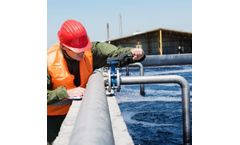
Manufacturing operations produce contaminated wastewater loaded with solids, chemicals, and organic matter that makes direct discharge or reuse impossible. Thankfully, wastewater is treatable using physical separation, biological digestion, and chemical reactions to remove contaminants at each stage. Progressive cleaning turns unusable wastewater into water clean enough for your processes or ...

Every time you turn on your tap, you expect clean, safe water, but you can’t see how it affects you. With 2 billion people worldwide lacking access to safely managed drinking water, understanding the various types of water contaminants has never been more critical for protecting public health. The Safe Drinking Water Act defines the term “contaminant” as meaning any physical, ...
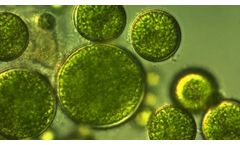
Summary Emerging contaminants, such as algal blooms, PFAs, microplastics, pose significant risks to health and ecosystems, necessitating improved monitoring and regulation. Educational materials are crucial for understanding and managing these emerging contaminants. Real-time monitoring technologies and innovative water management strategies, including smart lake management and ultrasound ...
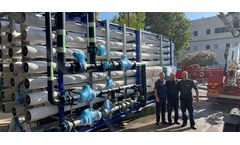
Advanced technologies can ensure the safety and aesthetics of treated water Imagine a remote mining operation where the only source of drinking water is harsh groundwater. Ensuring the safety and palatability of that water isn’t just a regulation—it’s a lifeline. Meeting stringent potable water ...

Quantum Disinfection™ (QD) is a revolutionary technology that utilizes principles from quantum mechanics to achieve unparalleled disinfection capabilities. This innovative approach harnesses the movement of electrons to create catalytic active surfaces that can instantly disintegrate any microorganism upon ...
More than ever, sustainable domestic wastewater management is crucial. It’s about keeping our water clean and conserving this precious resource. This means finding smart ways to treat and reuse domestic wastewater at home. What does sustainable domestic wastewater management mean for you? It’s about taking charge of your water usage and treatment at home. We’ll explore ...

Wastewater treatment is crucial for food and beverage processing facilities. It protects our environment and adheres to regulatory standards. Efficient wastewater treatment systems for food processing also significantly reduce operational costs. This article guides food & beverage professionals and their consulting engineers seeking better wastewater solutions. We’ll explore the types ...

Introduction: In today’s competitive commercial real estate landscape, efficiency is not just a luxury—it’s a necessity. Efficient resource management directly impacts a building’s operational costs, environmental footprint, and overall sustainability. One crucial yet often overlooked aspect of this efficiency is water storage and management. GRP (Glass Reinforced ...

Water reuse can create a more resilient water supply, ensuring the sustainability of urban growth Water scarcity has become a critical issue in drought-prone regions worldwide, driven by climate change, population growth, and overextraction of water resources. Municipalities in these areas are increasingly looking for innovative and sustainable solutions to manage their water supplies ...

In March of 2018 Enviremedial Services, Inc. installed its first off-grid potable rain harvest system. This system filter collected rain water to potable standards and supply water to the 'Welcome Center' on Ft. Buchanan in Puerto Rico. This system also runs 100% on solar which will allow this building to be supplied water even during power outages or natural ...
Water scarcity is a growing concern worldwide, and sustainable water treatment has become more critical than ever. As our planet faces increasing environmental challenges, the need for eco-friendly solutions to purify and manage our water resources has never been more pressing. But what exactly does sustainable water treatment entail, and how can we implement it effectively? Sustainable water ...

Reusing ‘lightly used’ household wastewater can help conserve fresh water, protect the environment, and boost the economy Recognizing growing pressures on water resources, Colombia has introduced legislation promoting the recirculation of grey water. This initiative is a significant step toward water conservation and ...
Coastal communities often grapple with the challenge of securing a stable and sustainable water supply. Traditional sources like rivers and groundwater face increasing pressure from population growth and climate change. There’s a vast, untapped resource right at their doorstep: the ocean. Seawater reverse osmosis (RO) for coastal community water supply is an increasingly viable solution. ...