
Dust Allergen Articles & Analysis
55 articles found

As winter approaches, ensuring that your HVAC system is safe, efficient, and free of hidden issues becomes more important than ever. Dust, debris, mold, and even small blockages in your ductwork can compromise indoor air quality, reduce system efficiency, and increase energy costs. One of the most effective tools for inspecting and maintaining ductwork is an HVAC camera. By allowing technicians ...

In operations handling fine powders, sticky dust, or allergens, the air inside dust collection and extraction systems comes into direct contact with raw materials. ...
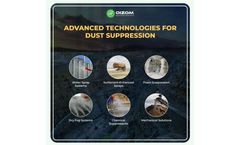
And with the right tech, it’s easier than ever to stay ahead of the dust. Advanced Technologies for Dust Suppression Dust suppression isn’t just about spraying water anymore. ...
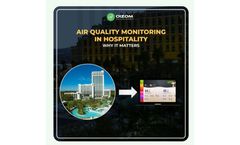
Even after the renovation is done, furniture and materials may continue emitting pollutants, affecting indoor air quality for an extended period. Pollen and Dust from Surroundings Hotels near farmlands, woodlands, or green areas offer scenic views but can also expose guests to airborne allergens like pollen and dust. ...
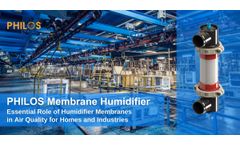
Maintaining optimal air quality is critical not only for personal health and comfort but also for the efficiency and success of various industrial operations. In our increasingly indoor-centric world, where we spend significant time in controlled environments—whether at home, in the office, or within industrial facilities—managing humidity levels has become more important than ever. ...
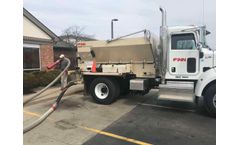
As with any large equipment or machinery, safety is critical when planning to operate mulch and bark blowers. It begins with practicing proper landscaping safety techniques. The first step to ensuring both the site and the team at work are as safe as possible is to thoroughly read the Operations Equipment Manual (OEM) for the specific bark blower or mulch blower that will be used. Each model of ...

However, another prevalent cause that often goes undiscovered is dust allergies. Dust allergies are among the most pervasive indoor allergens today. ...
Air filters All air conditioning units contain air filters which trap things like dust, allergens and pollutants which can be found in the air. This means that the air quality in your home is greatly improved, but as the filter fills up, it will be less efficient. ...

As air pollution is a rising problem in today’s society, it is essential for our health and wellbeing that the air we breathe be of a high standard. Air purifier and air scrubber are two common devices used to improve indoor air quality. Although both of them have the fundamental purpose of cleaning the air, they work differently and apply to different situations. In this blog, we’ll ...

Poor indoor air quality can be caused by a variety of factors, including the buildup of mold and other allergens. Expansion joint covers can play an important role in improving indoor air quality by preventing the buildup of these pollutants. When gaps and joints in buildings are left uncovered, they can become a breeding ground for mold, dust, and other ...
ByGenotek

A runny or blocked nose is caused typically by: viruses, or allergens. Young children are prone to infections due to their developing immune systems – they are not ready yet to fight all the viruses that are spread in the air. ...
ByNosiboo

First, the presence of cysteine protease activity in airborne allergens is required for bacterial LPS to exert its protective effect, while allergens containing cysteine protease activity (such as house dust mites or papain) may lead to the preventive effect of the body on sensitization in the presence of LPS; conversely, the German cockroach ...

SPECIAL PROBLEMS IN HIGH RISE BUILDINGS AND COMMERCIAL BUILDINGS LOCATION: Heavy commercial or industrial area with carbon monoxide, diesel exhaust, dust, smokestack emissions, cooling towers, factories, and noise. AIR INTAKE LOCATIONS: Location of intake on the ground level adjacent to loading docks, below ground intakes, or on roofs, where exhaust and intakes are adjacent. ...
SPECIAL PROBLEMS IN HIGH RISE BUILDINGS AND COMMERCIAL BUILDINGS LOCATION: Heavy commercial or industrial area with carbon monoxide, diesel exhaust, dust, smokestack emissions, cooling towers, and noise. AIR INTAKE LOCATIONS: Location of intake on the ground level adjacent to loading docks below ground intakes or on roofs where exhaust and intakes are adjacent. ...
We provide indoor air quality (IAQ) testing in the Dallas/Fort Worth area for problems such as mold, bacteria, chemicals, allergens, dust, asbestos, lead and Building Related Illness or Sick Building Syndrome. ...
We provide indoor air quality (IAQ) testing in the Boston area for problems such as mold, bacteria, chemicals, allergens, dust, asbestos, lead and Building Related Illness or Sick Building Syndrome. ...
Indiana Indoor Air Quality Test & Sampling We provide indoor air quality (IAQ) pollution testing/sampling throughout Indiana (IN) for problems such as mold, bacteria, chemicals, allergens, dust, asbestos, lead and Building Related Illness or Sick Building Syndrome. ...
Causes Many factors can be involved: Poor ventilation, excessive heat, odors, dust, very low or high humidity. Significant changes in the work environment such as relocation, changes in numbers of occupants, noise and odors all can have an impact on a person’s ability to stay well and function effectively. ...
We provide indoor air quality (IAQ) testing in the Illinois (IL) area for problems such as mold, bacteria, chemicals, allergens, dust, asbestos, lead and Building Related Illness or Sick Building Syndrome. ...
Indoor Air Quality testing in NJ We provide indoor air quality (IAQ) pollution testing/sampling throughout New Jersey, New York City, and New York State for problems such as mold, bacteria, chemicals, allergens, dust, asbestos, lead and Building Related Illness or Sick Building Syndrome. ...