
Refine by
Dust Ignition Articles & Analysis
20 articles found

Customer: Food manufacturer (Germany) Material: Sugar dust Installation: Clean gas side in front of the blower / Safety shutdown to protect the fan Function: Reliable measurement of the dust content Application A well-known food manufacturer in Germany measures the dust value in mg/m3 in its exhaust air upstream of the fan in order to ...
ByENVEA
Process Data Customer: Food manufacturer (Germany) Material: Sugar dust Installation: Clean gas side in front of the blower / Safety shutdown to protect the fan Function: Reliable measurement of the dust content Application Sugar dust being considered a combustible dust with a high risk of explosion, a very particular ...
ByENVEA

For some industries, a hazardous environment borescope is vital to conducting safe inspections. This guide covers the basics of these tools and why they’re worth the investment. When an inspection calls for a look inside a hazardous environment, opt for an industrial borescope that can take the heat. Whether affected by heat, pollutants or toxic gases, hazardous environments are not ...

Hazardous atmospheres – Hazardous environments are those that contain flammable gasses or vapours, combustible dusts, or ignitable fibres, where even the tiniest spark could cause a fire or explosion. ...

In addition to covering their OSHA and EPA bases, the company needed a clean air solution to: Remove the need for PPE outside the welding area Shield workers outside the welding area from arc flashes that can damage eye corneas or ignite potentially flammable welding dust Work within their limited amount of shop floor space ...
When the vent ruptures, the burnt dust and flames enter the flame arrestor element. The element helps to contain the hazardous dust and flames and prevents it from exiting, where it could potentially ignite a secondary explosion or endanger employees. ...
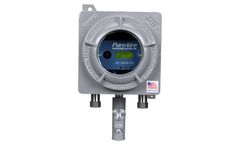
The enclosure is specifically designed to prevent ignition of an explosion. The monitor is well suited for environments such as ethanol refineries, chemical manufactures, corn and grain processing facilities, powder coatingplants, and the oil and gas industry, where combustible materials, dust, and ignitable fibers are present. ...

The National Electrical Code (NEC) defines hazardous locations as those areas "where fire or explosion hazards may exist due to flammable gases or vapors, flammable liquids, combustible dust, or ignitable fibers or flyings." The IEC has recently introduced the three-Zone system for combustible dust locations. ...
This flexible type of industrial air filtration can help you cost-effectively meet the letter of the law when it comes to clean air and safety compliance, including: Ventilation under the EPA’s 40CFR – Part 63.11173 Spray finishing requirements under the EPA’s 40CFR – Part 63.11173 Standards to measure and validate performance, environmental health, and sustainability ...
Abrasive Blasting Abrasive blasting results in two byproducts — the used abrasive material used to blast an object (e.g., sand, glass, steel shot) and the dust scoured from the target object. Both can threaten air quality in a facility and even cause slip and fall hazards. ...
These regulations include: UL Standards to measure and validate performance, environmental health and sustainability NFPA 33 Standard Spray Application using flammable or combustible materials NFPA 17 Standard for dry chemical extinguishing systems NFPA 701 Standard methods of fire tests for flame propagation of textiles and films OHSA O.Reg 851 – 63 Industrial establishments ...

In industrial facilities with high lighting consumption rates, this is can be a complex issue to address, especially in hazardous locations where explosive dust and vapors are present. As a solution, establishments may apply explosion proof metal halide and incandescent fixtures with external ballasts. ...
The air handler coil is responsible for regulating and circulating air within the system. Without taking ignitable substances into consideration, this is an ideal place to install the lamps due to maximum exposure to air. ...

WorkSafeBC has issued a bulletin stating that “static electricity discharges can ignite wood dust and therefore must be eliminated or adequately controlled during ...
” Like all fires, a dust fire requires fuel, oxygen and an ignition sources. A dust explosion requires two additional elements—dispersion and confinement. ...

At the time, unwanted or tramp metal in the grain flow often created a spark that would ignite the explosive dust causing fires, sometimes with catastrophic results. ...

A massive fire and explosion in the dust collection system of a New Hampshire wood pellet manufacturer demonstrates the need for adequate system design to prevent combustible dust explosions in general industry. ...

It is apparent that there is a general lack of sufficient research activity and understanding of the properties of nanoparticles in the context of their ignition and explosion potential. This paper represents current scientific findings and understandings of the risk of dust explosion of nanomaterials, in particular the multi-walled carbon nanotubes, aluminium ...

However, due to the nature of combustible dust clouds, complete elimination of ignition sources is difficult at best. Some have used the phrase, “Ignition sources are free,” meaning that ignition sources of sufficient energy are so prevalent that a dust explosion mitigation strategy should never rely solely on ...

Ignition has been systematically, scientifically studied for about a century now. ...