
Refine by
Dust Recycling Articles & Analysis
49 articles found
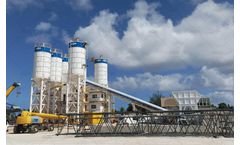
Mixer washout, aggregate rinsing, dust suppression systems, and curing operations collectively demand significant water volumes. ...
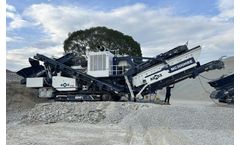
Regulatory pressure, community expectations, and economic incentives are driving quarries and crushing operations toward greener practices. From dust suppression systems to water recycling and electric-powered equipment, the shift toward sustainability is not just an environmental decision—it is a competitive necessity. ...
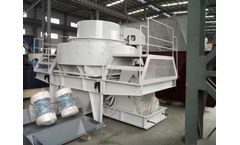
These plants typically combine feeding systems, VSI crushers, screening equipment, and dust control technologies to ensure clean and efficient production. When a VSI crusher is integrated into a sand production plant, the system becomes capable of producing high-quality manufactured sand at scale. ...

The components examined are the dust collection system, the water recycling system, and the noise control measures. ...
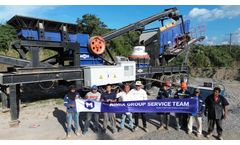
Modernizing an aggregate crusher plant involves more than just meeting local emission standards; it requires a comprehensive strategy that addresses dust control, noise reduction, and resource recycling. As urban centers expand closer to quarry sites, the social pressure to minimize the "industrial footprint" has intensified. ...
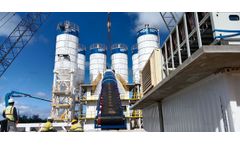
It is also an economic opportunity. Water recycling saves money. Dust suppression reduces complaints. Waste recovery generates revenue. ...
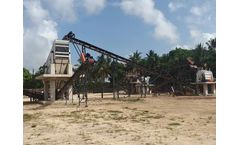
Regulatory Compliance Latin American regulations on dust control, noise levels, water usage, and land reclamation can significantly affect project execution. ...

Typical Product Distribution In a standard slow pyrolysis process of wood-based biomass (10% moisture): Biochar: ~30% Syngas: ~66% Water and dust: ~4% Wood vinegar/tar: Often recycled or used as combustible gas 5. ...
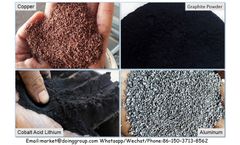
At the same time, copper and aluminum foils and graphite also have high recycling value. Therefore, through efficient recycling processes, the resource utilization of scrap lithium batteries can create significant economic benefits, and the economic value of recycling is considerable. Environmental benefits of recycling scrap ...
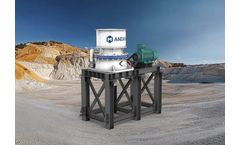
A typical setup includes: Primary Jaw Crusher Handles initial size reduction Processes large boulders Creates 6-8 inch fragments Secondary Cone Crusher Further reduces material size Produces 1-3 inch stones Shapes aggregates for specific uses Tertiary Impact Crusher (if needed) Creates finer materials Improves particle shape Used for high-quality concrete aggregates Vibrating screens then sort ...
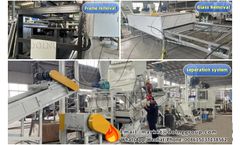
For the smoke and dust generated during the recycling process, it is equipped with an environmentally friendly dust removal device to minimize the impact on the environment, which meets the environmental protection standards of many countries, such as Australia, India, the United States, Mexico, Canada, the United Kingdom, etc. ...

Treated effluent can be reused for virtually any nonpotable application, such as landscaping or agricultural irrigation, washing and dust reduction, toilet flushing, and more. Recycled water is also used for drinking water, most often through indirect potable reuse, which means the treated water is mixed with natural water sources and the blended source of raw ...
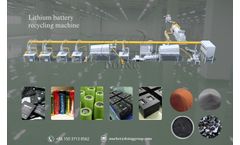
Use: These batteries power devices until they reach their end of life. Recycling: After use, lithium batteries can be recycled to recover valuable materials. ...

These metals are very precious and have extremely high recycling value. Reasonable treatment of waste circuit boards can not only effectively reduce the environmental pollution of waste circuit boards, but also achieve efficient recycling of valuable metal resources. ...
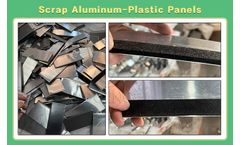
The system carefully integrates a variety of professional equipment to build a complete process from crushing to fine separation, mainly including crushing pre-processor, fine grinding device, high-efficiency rotary vibration screening system, advanced electrostatic separation technology core equipment, and environmental protection Types of pulse dust collectors together form an ...
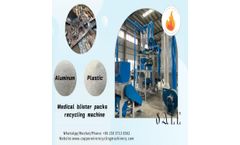
Although aluminum and plastic are both materials that can be reused through processing, aluminum and plastic are mixed together in panels and recycling is troublesome. There are three methods to recycle aluminum-plastic panels: Method 1 The waste aluminum-plastic board is mechanically crushed, heated and melted, and made into flower POTS or sewage pipes. ...
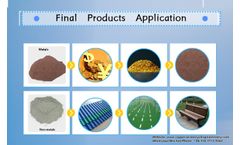
Here's a comprehensive look at why circuit board recycling machine is the best way for PCB recycling. 1.Resource Recovery PCBs are a treasure trove of valuable materials including copper, gold, silver, palladium, and various plastics. ...
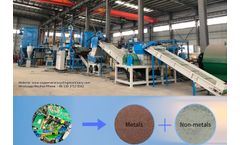
Well, how does PCB recycling machine works? To gain a comprehensive understanding of the working process of PCB recycling machine, let us delve into its intricate working process, as elucidated by a demonstrative video. 1. ...
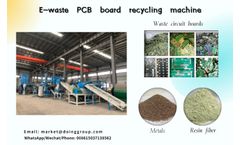
Waste circuit boards contain a large number of metals, such as copper, gold, aluminum, silver, etc. Through e waste PCB recycling machine, these valuable metals not only can be recycled and reused, but also can protect the environment. ...
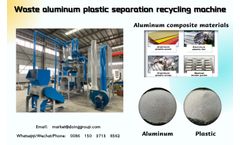
The traditional separation method of chemical method has been eliminated due to its high cost, cumbersome process, pollution to the environment and harm to human beings, and now it mainly uses the method of physical separation, like using aluminum plastic separation recycling machine. The aluminum plastic separation recycling machine has a lot of advantages, like ...