
E Waste Stream Articles & Analysis
9 articles found
Here are key points highlighting the economic advantages of e-waste recycling: Resource Recovery: E-waste contains valuable materials such as gold, silver, copper, and rare earth metals. ...
ByEcoverva
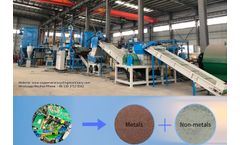
There are many metals, like copper, silver, tin, palladium, chrome, etc. inside waste circuit boards. PCB recycling machine is used to separate these precious metals from the waste circuit boards. Well, how does PCB recycling machine works? To gain a comprehensive understanding of the working process of PCB recycling machine, let us delve into its intricate working process, as elucidated by a ...
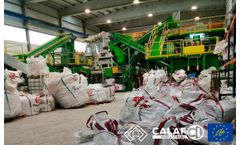
In September 2018, Calaf Grup launched the LIFE PST SORT project. Thanks to funding from the European Union’s LIFE research and innovation programme, a 1,000 m2 demonstration and test plant was designed and built to test an innovative material sorting solution. The plant, located on the group’s premises, was equipped with PICVISA’s optical and inductive separation.More than two years later, the ...
Leaching E-waste E-waste, too, can be one of the major pollutants of groundwater. ...
One of the worst effects of a skyrocketing, global e-waste crisis is the risk of toxic contamination for the environment and communities. ...
Tracking shipments of PCs, tablets and smartphones helps provide a snapshot of what the future e-scrap waste stream will look like. It now appears we'll be seeing more PCs down the road than first thought, although long term growth forecasts, IDC says, remain highly uncertain. ...

Electronic waste or e-waste is the fastest growing waste stream in the world today. Around 20-50 million tonnes of e-waste produced worldwide annually cause serious social problems and an environmental threats to many countries. ...

An attempt has been made to establish an approach and a methodology to quantify electronic waste (e-waste) in India. The study was limited to personal computers (PCs) and televisions (TVs) within the state boundaries of Delhi and in selected areas in the National Capital Region (NCR). Material flow analysis was used to establish an ...
Introduction The aim of this study is to evaluate national experiences of the management of hazardous products likely to become hazardous household waste (HHW), and to make proposals for strategies for the appropriate management of such products within a lifecycle perspective. The study covers the fifteen Member States and two Accession Countries, namely Hungary and Romania. The data available ...