
Refine by
Ecosystem Impact Articles & Analysis
234 articles found

Introduction: A Subtle Shift with Lasting Consequences Salinity is often associated with oceans and coastal environments, but it can also emerge in places where it’s far less expected: soils, aquifers, and freshwater ecosystems. When chloride levels increase, whether from brine spills, industrial activity, or road salts, it can elevate salinity in the subsurface. Unlike many contaminants, ...
ByLiORA
Chloride contamination is one of the most persistent, and often underestimated, threats to groundwater. Unlike many contaminants that degrade over time, chloride remains in the environment, moving with groundwater and accumulating across large areas. Once it enters an aquifer, it can be incredibly difficult and expensive to remove. For energy operators, municipalities, and regulators, this ...
ByLiORA

The National Park Rapid Plume Assessment showcases the efficiency of LiORA Trends real-time modeling, utilizing 8 sensors to deliver critical insights in a fraction of the time. Get insights on your plume immediately rather than years or ...
ByLiORA

While both processes are designed to manage waste effectively, they differ considerably in their environmental impact, efficiency, and sustainability. Conducting a Life Cycle Assessment (LCA) of these two technologies can provide a comprehensive evaluation of their respective environmental footprints, energy consumption, and overall efficacy. ...
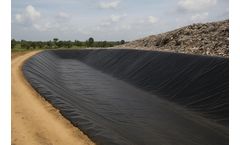
Geomembranes form a continuous, integrated barrier with environmental adaptability and deformation resistance, reducing environmental impact, protecting ecosystems, and lowering remediation and treatment costs. ...

Wastewater and waste gas may lead to heavy metal contamination of water bodies, soil, and air, impacting the local ecosystem. Long-term exposure to copper-containing dust can cause occupational illnesses such as coughing, chest tightness, and hemoptysis. ...

These are critical resources where persistent algal blooms not only affect ecosystems but also impact water safety, infrastructure, and ...

Without proper containment, fine particulate matter escapes into the air, affecting air quality, worker health, and surrounding ecosystems. Mobile impact crushers equipped with sealed enclosures offer a transformative solution, merging efficiency with environmental stewardship. ...

Floods are one of the most devastating natural disasters in India, causing not just environmental degradation but also massive economic loss. According to the Central Water Commission, India loses nearly ?6,000 crore every year due to floods and river erosion (CWC Annual Report 2022). West Bengal, owing to its extensive riverine network and monsoonal rainfall, is one of the most flood-prone ...

Hence, water quality degrades and harms aquatic ecosystems. Monitoring and managing contaminants such as heavy metals and phosphates is crucial for protecting water quality. ...
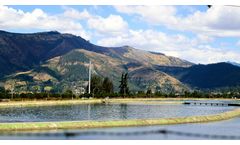
Blue-green algae are significant ecological phenomena that can dramatically alter aquatic ecosystems and impact human activities. Toxic cyanobacteria are typically characterized by the rapid growth of algae in water bodies, leading to lush green or blue-green waters often referred to as “pea ...

It encompasses a company’s commitment to managing its environmental impacts and operating within the legal frameworks designed to protect the environment. ...

However, their operations can have significant environmental impacts, such as dust emissions, noise pollution, and resource depletion. ...

The application of lipidomics in environmental research is becoming increasingly prevalent, particularly in the context of climate change and its impact on ecosystems. By examining lipid profiles, scientists can gain insights into how organisms and ecosystems respond to changing environmental conditions. ...

Recent studies indicate that incorporating biochar into animal feed or manure management systems can help mitigate the environmental impact of livestock farming by reducing the methane emissions associated with ruminant digestion. Inhibition of Methane-Producing Microbes One of the primary mechanisms through which biochar inhibits methane emissions in ruminants is its ...
Incorporating sustainable practices in charcoal production helps preserve forests and their ecosystems, ensuring that the environmental impact is minimized. This commitment to environmental stewardship is a fundamental aspect of sustainable ...

Tourism is one of the most dynamic and fastest-growing economic sectors worldwide. Its capacity to generate employment, foster economic and cultural development, and promote environmental sustainability makes it a strategic sector for many countries. However, to fully harness its benefits, it is essential to address the challenges it faces in relation to water. Through careful planning, ...

And this is not only to cause a lower residual impact in the countries where these industries operate, but also in those economies that receive a large part of these wastes. We cannot forget that one of the main threats to biodiversity on a global scale is the pollution of ecosystems, which has a major impact on human health and well-being. In ...

And this is not only to cause a lower residual impact in the countries where these industries operate, but also in those economies that receive a large part of these wastes. We cannot forget that one of the main threats to biodiversity on a global scale is the pollution of ecosystems, which has a major impact on human health and well-being.In ...

Algae Pose a Threat to Aquatic Ecosystems Beyond their aesthetic impact, algae wield considerable influence over aquatic ecosystems, with excessive growth leading to oxygen depletion and the formation of dead zones. ...