
Eddy Current Ndt Articles & Analysis
18 articles found

Electromagnetic testing (ET) is a non-destructive testing method that uses the principle of electromagnetic induction for the detection of flaws in surface and subsurface levels. Eddy current testing (ECT) is a type of electromagnetic nondestructive testing (NDT) method. However, the terminologies for ET testing and ECT are often interchangeably ...
Routine ultrasonic thickness testing of wall and coating thickness measurements serves as a vital check on the condition of ship hulls, pipelines, and other metallic elements where long-term exposure elements like saltwater or oil can corrode materials, degrading structural integrity. Nondestructive testing (NDT) is the preferred method for coating thickness measurement on ...
The manufacturing process relies heavily on materials and components that meet their specifications for structure, strength, and quality. Some materials being used in the process may require alteration in their properties to meet these specifications. Metallurgical heat treatment is one of the widely adopted methods to change the properties of these metals to meet the industry specification. ...
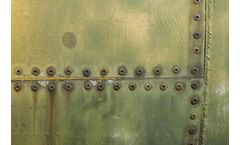
This combination of benefits has led to a widespread embrace of nondestructive testing (NDT) for fatigue in both public and private aircraft. NDT testing can help reduce aircraft grounding by quickly detecting small problems before they turn into larger ones. However, not all NDT solutions work the same. eddy ...
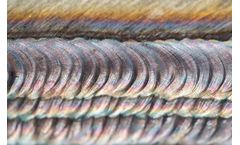
One of the more useful forms of NDT developed is eddy current testing (ECT) where a magnetic field from a coil is induced into a conductive material—like metals—where anomalies in the material create changes to the “eddy currents.” The way the current’s flow is ...
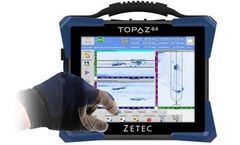
Nondestructive testing (NDT) analyzes a material for flaws, defects, and discontinuities without damaging the material. ...
Keeping potentially hazardous chemicals and fluids safely contained within pipes and pressure vessels means careful inspection of welds and metals for flaws and corrosion using ultrasonic and eddy current NDT testing solutions. NDT plays a role in many parts of the oil and gas industry. Running a safe, efficient, and profitable ...
Eddy current testing (ECT) vs. magnetic particle testing (MPT) is an apt comparison because these are two prominent nondestructive testing (NDT) techniques. While each technique has its advantages and disadvantages, the eddy current testing method retains the edge. MPT is a comprehensive solution in its own ...
It is an ironic turn of phrase because nuts, bolts, and bolt holes require significant engineering to determine specifications and nondestructive testing (NDT) to ensure that they meet those specifications. Multilayer bolt hole inspections in aerospace are one of the more challenging NDT inspections as it is difficult to identify the layer in which the flaw ...
When working with such colossal forces, it’s vital that the equipment and machinery used are reliable shift after shift and cycle after cycle. Nondestructive testing (NDT) is recognized by both national regulations and industry consensus standards as a critical element that helps ensure that power process piping, boilers, steam generators, and all other power generation ...
Eddy Current Array for Train Wheel Inspections Efficient train wheel inspection procedures ensure that train wheels can withstand heavy stress. ...
Securing mission readiness requires effective systems maintenance, informed by modern, powerful nondestructive testing solutions. Nondestructive testing (NDT) provides essential information to military air fleets. Using ultrasonic and eddy current testing equipment, NDT technicians can rapidly inspect the integrity of aircraft ...
Nuclear experts may also use another NDT method known as eddy current testing (ECT), which can test such materials as steam generator tubing without interfering with the structural integrity of steam generators. Eddy current instruments can also find surface and sub-surface abnormalities, as they are easily able ...
However, the discipline simply cannot compare to the advanced flaw detection and comprehensive scanning capabilities of advanced NDT equipment. Eddy current testing (ECT) and ultrasonic testing (UT), in particular, can provide levels of convenience, flexibility, and efficiency with which visual inspections simply cannot compete. ...
Knowing which materials and equipment eddy current NDT works best on helps managers develop effective NDT programs. ...
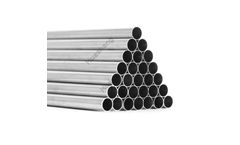
S30432, S31042, N08367 Duplex & Super Duplex Steel: S31500, S32101, S32003, S32304, S31803, S32205, S32750, S32760 Nickel Alloy Steel: N06600, N06601, N06625, N07718, N08800, N08825, N10276, N04400, N05500, N02200, N02201, N08028, N08810, N08811, N08020, N10624, N10629, N10675 Bright Annealed Tubes Standard ASTM A789, ASME SA789, EN10216-5, ASTM B163, ASTM B167, ASME SB163, ASME SB167, ...
In addition, multiple types of nondestructive testing must be used to inspect different airplane systems, including ultrasonic testing, eddy current testing, and traditional NDT methods such as liquid penetrant and magnetic particle testing. ...
By inspecting a statistically significant portion of components with ultrasonic and eddy current NDT equipment, manufacturers can enjoy the peace of mind of knowing their inspected components are helping to ensure vehicles are safe to drive. ...