
Refine by
Effluent Disposal Articles & Analysis
59 articles found
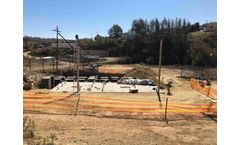
This necessitates the use of onsite effluent disposal systems, such as conventional septic tanks with soak-aways (‘French’ drains). ...

The Need for Sustainable Waste Disposal in Nigeria:Nigeria, like many other developing nations, faces significant challenges in waste management. ...

Decentralized wastewater treatment solutions aren’t limited to domestic services. As industrial effluent regulations become more stringent, many enterprises can turn to decentralized, on-site wastewater treatment. There are various advantages to implementing this solution, and specific industries can greatly benefit from doing so. However, before diving into those details, it’s ...
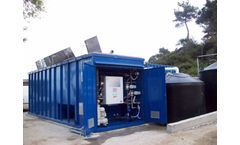
Decentralized wastewater treatment solutions aren’t limited to domestic services. As industrial effluent regulations become more stringent, many enterprises can turn to decentralized, on-site wastewater treatment. There are various advantages to implementing this solution, and specific industries can greatly benefit from doing so. However, before diving into those details, it’s ...

Our new factory effluent treatment and monitoring installation at Yorkshire ...
Many of the companies that contact our team at Aqua-Zyme are startup businesses, or companies that are expanding into the area sewage-treatment industry. We can provide information for you about our process and the dewatering container you will have on your property. A clear picture of the responsibilities involved is helpful for any business owner or manager to understand how we operate as well ...
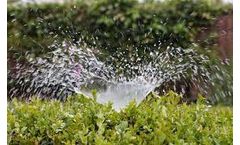
A major factor in the environmental problems associate with animal effluent disposal arises from run-off caused by rain events and poorly managed irrigation. ...
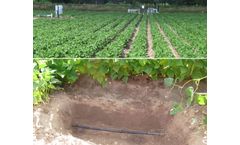
Furthermore, when primary options for effluent dispersal preclude ocean discharge, injection wells, or other dispersal methods, then irrigation as a primary dispersal component becomes very attractive. ...

The plant was designed in accordance with the BC Ministry of Health guidelines and produces Type 3 effluent consistently containing less than 10 mg/L of TSS and BOD 5 and a fecal coliform count of less than 400 CFU / 100mL Wastewater from the building is pumped via a lift station and treated in the USBF® bioreactor. It is then pumped to UV disinfection and is subsequently ...

Efficient resource recovery: Due to the stringent environmental regulation, firms must treat effluent wastewater according to the Environmental Protection Agency (EPA) and/or state-regulated levels before discharging effluent into the nearby water bodies such as lakes, ponds, oceans. ...

The effluent was then trucked off to be disposed of by the Industrial Services Company at one of their waste processing facilities. Results: The tower was successfully cleaned and degassed using SuperAll #38. The effluent from the cleaning was successfully hauled and processed off site. ...
With the numerous manufacturing plants discharging industrial effluent in lakes and rivers, the amount of freshwater available to us is bound to reduce further. Industrial effluent contains toxic material which, if disposed of in bodies of water, leads to contamination. Companies have set up water treatment systems to treat industrial ...

Reducing food waste and improving the management of its disposal can positively impact your company revenues and meet Corporate Social Responsibility (CSR) targets, particularly if you are in the public sector or a large corporation. ...
The Challenge: Village WWTP is currently under a settlement agreement that permits the plant to percolate 45,000 gallons of treated effluent per day. Through their treated effluent disposal ponds, which are permitted as rapid infiltration basins, this level of percolation is doable, at least under normal operating conditions. ...

Most successful winery wastewater treatment systems include proper primary screening, a robust active aeration system followed by a clarifier, or membrane barrier to separate the treated effluent from the biological process. Additional key considerations include proper sizing and material selection of the treatment tanks to provide required biological retention time, surge ...
Due to logistically challenging locations on motorways, dual carriageways and trunk roads, a large number of UK fuel stations rely on underground holding tanks for their effluent. These tanks vary in size, typically from 15 to 25 m3. When approaching full, the transfer of effluent waste into the nearest mains supply, which can sometimes be up to 50m away, ...

This case study shows how Fluence helped a fish processing plant in Ecuador upgrade its wastewater treatment facility to improve the quality of its effluents, reduce disposable waste, and save thousands in energy costs – all without interrupting its operations. ...

The heavy metal content in septage was not complying with regulations for wadi disposal and effluent reuse in agriculture. Most of the TN removed, equal to 52% of the TN load to the cesspit, will most likely have infiltrated into the surrounding soil, and might reach the groundwater. ...

Alternatively, effluent may be collected by tanker for treatment and disposal off-site. ...
The concentration of total ammonia nitrogen (TAN) in the residual LFL complies with Brazilian law requirements of 20.0 mg L−1 of TAN, regarding the disposal of effluents. ...