
Refine by
Effluent Regulations Articles & Analysis
84 articles found

EPDM membranes help contribute to a plant meeting regulation for no contaminants in wastewater effluent in Morelos, ...
Project Information Project Type: Municipal wastewater treatment Completion Date: 2008 Treatment Objectives: Design flow: 10 MGD Effluent Objectives: Meet Regulation 100% of the Time ...
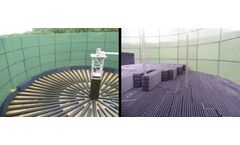
These systems deliver reliable results even under the most demanding conditions by: Improving treatment capacity and quality Effectively treating wastewater with high BOD/COD loads Reducing operational energy demand Lowering carbon footprint Ensuring consistent effluent quality Providing long-term reliability and durability By integrating trickling filter technology, ...

Water management is playing an increasing role in efforts to increase sustainability As the world increases the pace of its transition to renewable energy sources, the oil and gas industry is facing mounting pressure to reduce emissions, conserve resources, and optimize energy use. Governments and regulators across the globe are introducing energy reuse and efficiency standards aimed at curbing ...
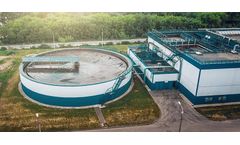
When nitrogen removal must be increased to comply with effluent regulations, Fluence solutions can update conventional activated sludge treatment systems Excess nitrogen in treated effluent is a key contributor to eutrophication in rivers, lakes, and coastal areas. ...

Containerized Aspiral™ wastewater treatment plants bring municipalities into compliance with regulations in no time Around the world, regulatory bodies are tightening wastewater effluent quality regulations. ...

Improved Overall Plant Performance: By effectively removing contaminants at an early stage, these screens contribute to the smooth operation of the entire wastewater treatment process. This leads to better quality effluent and compliance with environmental regulations. Case Studies and Real - World Examples To better illustrate the impact of these custom ...
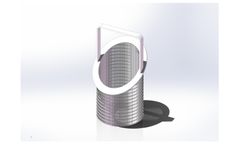
Improved Overall Plant Performance: By effectively removing contaminants at an early stage, these screens contribute to the smooth operation of the entire wastewater treatment process. This leads to better quality effluent and compliance with environmental regulations. Case Studies and Real - World Examples To better illustrate the impact of these custom ...
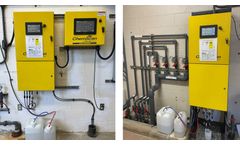
Overview In 2022, the McDowell Creek Water Resource Recovery Facility (WRRF) sought to update ChemScan equipment serving the plant since 2007. Two ChemScan sequencers were installed to monitor the plant’s five-stage BNR process, testing for nitrite, nitrate, ammonia and phosphorous from primary clarifier influent through tertiary filter effluent. Challenge The McDowell Creek Water Resource ...

Industrial processes generate wastewater, also known as effluent, that contains harmful pollutants, chemicals, and toxic substances. ...

Every industry needs certain supplies to operate. In the mining industry, one of those supplies is essential for human life, but it is in short supply: water. Coal & mineral mining companies utilize water to cool equipment and control dust, as well as extract, wash, and, in some cases, transport coal or minerals. Other mining companies use water to process minerals and reclaim precious ...
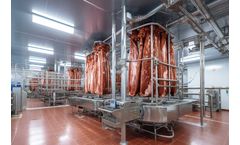
The federal agency presents multiple options to enhance limits on nutrient discharges into waterways Meat and poultry products (MPP) processing facilities significantly contribute to nitrogen and phosphorus pollution in fresh water. Nutrient loading can be extremely detrimental to aquatic ecosystems, contributing to eutrophication and algal blooms that pose environmental and human health risks. ...
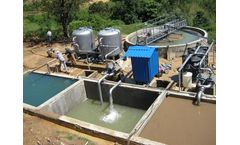
Manufacturing drives the U.S. economy, employing millions. In 2018, these businesses employed 11.9 million workers, according to the 2018 County Business Patterns. On top of that, manufacturers are one of America’s biggest economic engines. The U.S. Department of Defense suggests that manufacturers in the U.S. contribute over $2.35 trillion to the economy and “that every dollar spent ...
Decentralized wastewater treatment solutions aren’t limited to domestic services. As industrial effluent regulations become more stringent, many enterprises can turn to decentralized, on-site wastewater treatment. ...
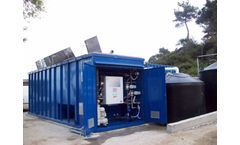
Decentralized wastewater treatment solutions aren’t limited to domestic services. As industrial effluent regulations become more stringent, many enterprises can turn to decentralized, on-site wastewater treatment. ...

Overview A 3.7 acre pond, that takes over 2 million gallons of effluent from a reclamation facility every day, was experiencing excessive algae growth. ...
This means it’s a better solution for improving water quality and meeting stricter effluent regulations in these applications. However, to fully understand why that’s true, here’s everything you need to know about coagulation vs. electrocoagulation water ...
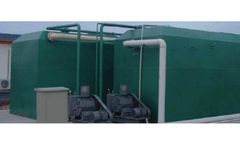
The Necessity of Mining Water Treatment Mining water treatment is critical because environmental regulations have made it impossible for companies to reuse toxic mining effluent (or even return tainted water to the environment). ...
Here are four (4) benefits that can come from implementing real-time monitoring at your wastewater plant: 1. Effluent Regulatory Compliance Assurance Many industrial manufacturers are under continuous pressure to meet increasingly stringent effluent regulations. ...

The raw water quality requirements will vary considerably depending on the application, region, and local regulations. In addition, effluent streams from industrial facilities must have appropriate management plans in place A properly developed Water Safety Plan will ensure the safety of the both the water entering and leaving the facility through a risk ...
ByCoftec