
Refine by
Electrical Heating Articles & Analysis
757 articles found

However, spray painting and drying processes still release measurable quantities of volatile organic compounds (VOCs), including benzene, toluene, and xylene.In Beijing and many other regions, these emissions must be controlled to comply with environmental regulations.For large airflow applications with relatively low VOC concentrations, a Zeolite Rotor Concentrator combined with a Catalytic ...
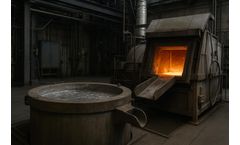
Small-Scale Systems (1-5 Tonnes): Applications: Research facilities, small recyclers, alloy producers; Heating: Electric resistance or small gas burners; Cycle time: 8-12 hours; Throughput: 2-4 tonnes per day; Capital cost: €80,000-€150,000 Medium-Scale Systems (5-12 Tonnes): Applications: Regional recycling facilities, battery manufacturers; ...

The bio-oil produced can be used as a renewable energy source, either for heating or electricity generation. The syngas, a mixture of carbon monoxide, hydrogen, and methane, can be used to fuel the pyrolysis plant itself or be converted into other forms of energy. ...
Pyrolysis oil can serve as an alternative fuel, carbon black can be used in rubber and construction industries, and syngas can generate electricity or heat. Each ton of plastic processed through pyrolysis reduces dependency on fossil fuels and diverts waste from environmentally harmful disposal methods. ...

In coastal environments, standard carbon steel alone is not sufficient unless combined with advanced protection systems.Key material strategies include: Stainless steel (especially 316/316L): Commonly used for bolts, fasteners, hydraulic fittings, and electrical enclosures due to excellent resistance to chloride attack. Galvanized steel components: Provides a protective zinc ...
Advanced Heat Exchange Systems Traditional pyrolysis reactors often suffer from inefficient heat transfer, which can lead to energy losses and lower yields. New designs incorporate advanced heat exchange systems, which improve thermal efficiency by recapturing and reusing waste heat from the pyrolysis process. ...
When straw and other agricultural residues are heated to high temperatures, the machine converts them into charcoal, along with byproducts such as bio-oil and syngas. ...
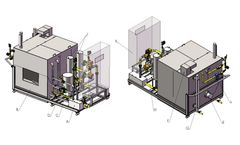
Flow Control Valve 3.5E. Heater and Heating Exchanger (Optional) 3.6F. Skimmer 3.7G. Tank Level Sensor 3.8H. ...
Additionally, the gaseous byproducts produced during pyrolysis can be captured and utilized for electricity generation or heat recovery, further reducing the carbon footprint of the process. ...

The demand for high-speed data transfer is growing rapidly due to artificial intelligence, cloud computing, and modern data centers. Traditional optical transceivers are reaching their limits. This is where Co-Packaged Optics (CPO) emerges as a new approach to achieve higher bandwidth, better energy efficiency, and improved system ...
Utilization of Combustible Gas in Pyrolysis Systems One of the primary uses of the combustible gas produced by pyrolysis is as a fuel for heating the pyrolysis machine itself. However, this is just the beginning. When properly captured and processed, the combustible gas can be refined into more valuable products, such as hydrogen or syngas, for use in other industrial processes. ...
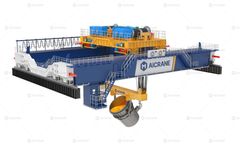
Over time, this may compromise the crane’s load-bearing capacity and overall safety. Electrical Component Vulnerability: Motors, control panels, and wiring systems are sensitive to heat. ...

Historically, many plants, particularly in colder climates, relied on gas or oil-fired burners to heat aggregates and mixing water to achieve optimal concrete temperatures. Low-carbon technologies are displacing these combustion-based systems with high-efficiency electric alternatives. Heat pumps and electric thermal fluid ...
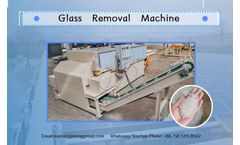
Therefore, mature glass removal machines typically employ the pyrolysis softening process. Using heating technologies such as electric heating wires, the temperature is precisely controlled to soften the EVA adhesive layer in the solar panels. This process effectively reduces the adhesion between the glass and the solar cells, laying the ...
Our plant at Bernsteinsee stores the energy from surplus solar power in the form of synthetic natural gas (SNG). Our plant produces this from hydrogen and CO2. The Hotel Bernsteinsee can therefore use 100% of its solar power and does not have to feed in any surplus. The SNG can be burned emission-free in commercially available CHPs and condensing boilers. Thanks to our unique closed ...

Around 45,000 homes and thousands of businesses were left without electricity and, crucially, without heating during freezing winter conditions. ...
However, unlike graphite, h-BN is an electrical insulator, making it ideal for various high-tech applications. ...

These small yet powerful tubes are essential in various industries such as aerospace, healthcare, and manufacturing. Whether you use them for heating elements, electrical components or radiation shielding, the reliability and durability of tungsten tubes can make or break your products. ...

Workers in oil and gas, aviation fuel systems, chemical processing, sewer inspections, and confined spaces rely on tools engineered to prevent sparks, heat, or electrical discharge. This is exactly why an intrinsically safe Class 1 Div 1 camera is essential, and why professionals across the country trust USA Borescopes for certified inspection solutions. ...
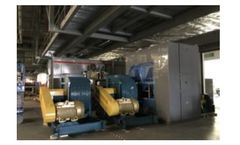
The Challenge As individuals and corporations continue to push towards smaller carbon footprints, the use of Lithium-Ion Batteries (LIBs) has become increasingly prevalent. Specifically for individuals, the utilization of battery packs for all-electric automobiles and solar-powered home battery banks have continued to grow at a rapid rate. The manufacturing of these battery packs generates ...