
Electro Oxidation Articles & Analysis
28 articles found

Instead of traditional ex-situ methods such as dig and dump and dredging, EKOGRID in-situ electro kinetic oxidation technology was chosen for the site to reduce the costs of remediation and avoid disturbances to the environment. ...
A busy railway logistics center in Sao Paolo in Brazil, which operates around the clock every day of the week had been contaminated by polycyclic aromatic hydrocarbons (PAH). Cleaning through the traditional mass transfer method (dig and dump) would have stopped the business and hence EKOGRID in-situ remediation solution was selected. After just three months of remediation process the area was ...
Break in service pipeline polluted 2,800m2 of soil in Ecuador; combined in-situ electro kinetic oxidation and bioremediation solution remediated the polluted soil in just 10 months. EKOGRID electrokinetic oxidation technology was successfully applied to clean an area of 2,800m2 of diesel polluted soil resulting from a break in an Ecuador service ...
The EKOGRID in-situ soil remediation project at a former oil above-the-ground storage tank (AST) site in Finland is a successful evidence of a cost-efficient and environment-friendly way of cleaning up abandoned storage tank sites. After completion of the EKOGRID in-situ remediation, the need for excavation, dump and replacement soil was reduced by 90%, from a total of 15,000 cubic meters (m3) of ...

Biomedical liquid waste, comprising blood, body fluids, and secretions, is a major concern in the healthcare sector due to its potential to harbor harmful viruses, bacteria, and parasites. Improper management of such waste poses significant risks to human health and the environment, leading to the spread of infectious diseases. Additionally, disposal of biomedical liquid waste without proper ...

With custom made electrodes we can reduce and coagulate pollutants from any industrial effluent. 3. Electro-oxidation allows us to treat the most difficult inorganic contaminants in water and sewage. 4. ...
ByYASA ET

Electrooxidation is an electrochemical process that uses an electric current to facilitate oxidation reactions. This process has become increasingly popular in recent years due to its effectiveness in treating wastewater, recovering metals, and generating clean energy. In this article, we will delve deeper into the workings of electrooxidation and explore its various applications ...
ByYASA ET
In this article we present and analyse the main features of Electrocoagulation (EC) and Electro-oxidation (EO) wastewater treatment technologies. What is Electrocoagulation (EC)? ...
ByYASA ET
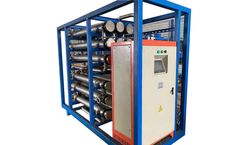
The technical principle of high-voltage pulse electro-flocculation mainly integrates four main functions electrolytic reactions: Oxidation Reduction Flocculation Air flotation These reactions decompose and separate pollutants in water in an all-round way. ...
ByYASA ET
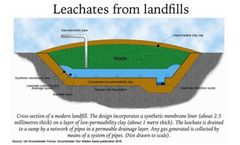
Current Issues - Landfill Solid Waste Pollution & Leachate The consistent increase of global human population coupled with changing lifestyles have lead to vast amounts of solid waste pollution, which causes resources depletion with a seriously negative environmental impact. Even though many methods have been utilized to overcome this solid waste pollution problem issue such as recycling ...

Cyclic voltammetry (CV) is the backbone of most electrochemical research and is an essential electrochemical technique that allows researchers to explore candidate catalysts in greater depth. When coupled with modeling, a systematic goal-focused protocol will supply a range of data that will inform the user of more novel techniques and complex setups. This disciplined approach will save time in ...

A combined electrocoagulation (EC) and electrochemical oxidation (EO) industrial textile wastewater treatment potential is evaluated in this work. A fractional factorial design of experiment showed that EC current density, followed by pH, were the most significant factors. Conductivity and number of electrooxidation cells did not affect chemical oxygen demand degradation (DCOD). Aluminum and ...
Azo dye methyl orange (MO) degradation by heterogeneous electro-Fenton (EF) with a magnetic nano-Fe3O4 catalyst was investigated. In this study, Fe3O4 was synthesized by a coprecipitation method and characterized by X-ray diffraction and scanning electron microscopy. The influences of the main operating parameters such as current density, pH, catalyst dosage and aeration rate were studied. ...
The recent investigations on its application in coagulation–flocculation, adsorption, advanced oxidation processes, electro-chemical processes and disinfection are reviewed. ...

This paper describes the degradation of commercially available methyl parathion by electro oxidation using Ti/RuO2 as anode, stainless steel as cathode and sodium chloride as a supporting electrolyte. ...
Keywords: electrolytic treatment, DPA degradation, industrial wastewater, DSA electrodes, aromatic amines electro–oxidation, flow electrochemical reactors, organic pollutants, wastewater treatment, water pollution, chemical industry, antioxidants, anti–ozonant substances, rubber manufacturing, colour removal, chemical oxygen demand, COD removal, ...

The methods discussed were activated alumina adsorption, reverse osmosis, electro-dialysis, ion exchange, oxidation and filtration. After review of the reports company management concluded that the process of oxidation, coagulation, flocculation and filtration would offer the most practical and economical solution. ...
The electrochemical degradation of aniline in aqueous electrolyte has been studied by dual-electrode oxidation process using Ti/SnO2–Sb2O5 for anodic oxidation and graphite cathode to produce H2O2 in situ. ...
Microcystis aeruginosa appeared to be sensitive to electro-generated chlorine oxidants. The inactivation effect was also demonstrated to occur in chlorine-free electrolytes. However, decrease of the inactivation effect by adding ascorbic acid as an oxidant scavenger indicated that the reactive oxygen species, especially •OH radicals, played an ...
This study is focused on optimizing the treatment parameters for high concentration ammonia using gaseous oxidation in liquid phase (GOLP). The conversion of ammonia was achieved electro-thermally over mono-crystalline silicon supported CoOx catalyst. ...