
Electrodialysis Articles & Analysis
46 articles found

Bipolar Membrane Electrodialysis (EDBM) is an advanced membrane separation technology that utilizes an electric field to split water molecules into H⁺ and OH⁻ ions, enabling the conversion of salt solutions into their corresponding acids and bases. ...
ByYASA ET
Introduction to Cationic Electrodialysis Membranes What is Electrodialysis? Electrodialysis (ED) is a membrane-based separation process that uses electrical potential to move charged ions through selective ion-exchange membranes. ...
ByYASA ET

When biodiesel is poorly made—often referred to as “bad biodiesel”—one of the biggest red flags is a high concentration of glycerine (or ...
The Bipolar Membrane Electrodialysis (EDBM) equipment was developed to simultaneously split an aqueous saline solution into its corresponding acid and base solutions without addition of chemicals. The DESALT-EDBM equipment ability to dissociate water into hydronium ions and hydroxyl ions, bipolar electrodialysis has been found many applications in industries ...
ByYASA ET
Understanding Bipolar Electrodialysis In conventional electrodialysis, the separation process is driven by an electric force, which directs positive and negative ions through specialized anion and cation membranes. ...
ByYASA ET
Different membrane-based and thermal-based technologies, including reverse osmosis, brine concentrator, forward osmosis, electrodialysis, and humidification-dehumidification, are utilized in various stages of the ZLD approach. ...
ByYASA ET
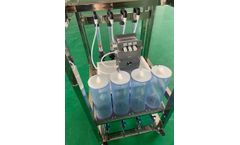
ELECTRODIALYSIS TEST EQUIPMENT | YASA ET ELECTRODIALYSIS PILOT AND LAB SCALE SYSTEMS EQUIPMENT The lab scale testing equipment made by YASA ET is designed to treat any kind of high salinity waters by Reverse electrodialysis (EDR) or standard Electrodialysis (ED) technology. ...
ByYASA ET

It can be applied to brines with high salt content ( Other innovations already on the market are electrodialysis technologies, membrane distillation, or hybrid processes combining different technologies. For energy recovery from brine, technologies such as pressure-retarded osmosis (PRO), electrodialysis reversal (EDR), and capacitive mixing (CapMix) have ...
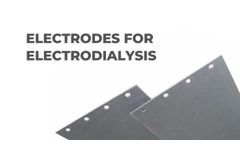
Electrodialysis is a widely used process in various industries, including desalination, wastewater treatment, and food processing. It involves the separation of ions from a solution using an electric field.One crucial component of the electrodialysis system is the electrodes. The choice of electrode material is vital for the overall performance and efficiency of ...
ByYASA ET
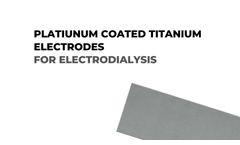
Electrodialysis is a widely used separation process in industries such as water treatment, chemical production, and food processing. The performance and efficiency of electrodialysis systems depend on the choice of electrode materials. Titanium coated platinum electrodes have gained significant attention in the field of electrodialysis due to ...
ByYASA ET
https://www.desalt-electrodialysis.com/post/faqs-about-electrodialysis-the-technology-behind-purification-of-water In today's world, access to clean and safe drinking water is a fundamental right that every individual should have. Unfortunately, human activities are reducing our planet water resources day by day. However, Electrodialysis ED technology has come to ...
ByYASA ET

The technical solution consists of 5 conversion processes (carboxylic acid platform, microbial biomass production, electrodialysis, insect cultivation and biochar production) which can be combined depending on the needs of the soil and integrated with state of the art technologies such as composting. ...
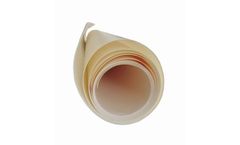
Electrodialysis Bipolar Membranes (EDBM) is a type of membrane technology that is used to separate dissolved ionic compounds from water and wastewater. Electrodialysis is an electrochemical process that can involve the use of bipolar membranes and ion exchange membranes. Bipolar membranes for electrodialysis have gained significant attention in ...
ByYASA ET
Electrodialysis Reversal (EDR) is a process that is used for separating ions from a solution using electrical potential. It is an effective method for purifying water and removing ions from saline solutions, making it a crucial process in various industries such as food and beverage, pharmaceuticals, and chemical manufacturing.In this comprehensive guide, we will take a closer ...
ByYASA ET
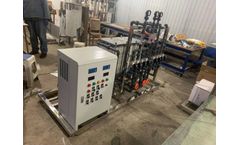
RO is an efficient process for removing dissolved solids and contaminants from water, but it comes with a major drawback: the production of a waste stream known as RO reject, that today can be treated and concentrated by DESALT Electrodialysis Reversal (EDR).Discover more at DESALT Electrodialysis Reversal For RO Reject Concentration ...
ByYASA ET
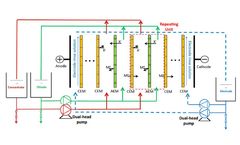
#Electrodialysis is a well-known technology for Zero Liquid Discharge Systems. Find out more about its applications in this article written by our team: Electrodialysis For Zero Liquid Discharge Systems, Water and Wastewater Desalination | YASA ET -- Electrodialysis (ED) is a separation process in which charged membranes and electrical ...
ByYASA ET
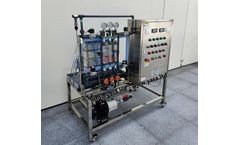
Electrodialysis (ED) or Electro Dialysis is a water treatment process. How does it work? ...
ByYASA ET

Commonly used pure water treatment processes are:EDI electrodialysis technology Membrane treatment technology, including ultrafiltration, reverse osmosis, etc. Ion exchange technology STARK water treatment produces pure water treatment such as EDI electrodialysis, ion exchanger, ultrafiltration equipment, reverse osmosis system, etc., which are widely used in the ...

Civilizations have used lead for industrial purposes for centuries. While it is a durable metal, it is also flexible at low temperatures. These characteristics were ideal for shaping everything from pipes to plates in the Roman Empire. Ingesting lead poses dangerous health risks. In children, low-level lead poisoning can cause stunted growth and learning disabilities. High concentrations of this ...

In their Article “Giant osmotic energy conversion measured in a single transmembrane boron nitride nanotube”, Alessandro Siiria et al detailed the results of inserting a single boron nanotube into a hole drilled into an impermeable, electrically insulating membrane, a modification of the Reverse Electrodialysis process. Through this modification, power densities ...