
Refine by
Electrolytic Oxidation Articles & Analysis
17 articles found

Lishen Battery Project: Electrolyte Exhaust Treatment with RTO Technology Lishen Battery is one of China's earliest lithium-ion battery manufacturers, supplying batteries for electric vehicles, energy storage systems, and consumer electronics.Project Overview Exhaust Components: Ethylene Carbonate (EC), Ethyl Methyl Carbonate (EMC), Dimethyl Carbonate (DMC), Lithium ...
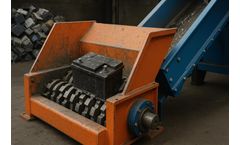
A typical pre-shredder is a slow-speed, high-torque rotary unit that reduces whole batteries to coarse fragments, generally in the 50–150 mm range, prior to the main breaker, hammer mill, or crusher downstream.How pre-shredders behave with LABs When a LAB enters a rotary pre-shredder, the polypropylene casing is gripped and torn, releasing lead plates, lead-oxide paste, glass mat ...

The stability and lifetime of lithium-ion batteries hinges on deciphering the reactive processes that occur where the cathode meets the electrolyte. During cycling, electrolyte components oxidise at the cathode-electrolyte interface and form a thin, reactive interphase. This layer is commonly known as the solid electrolyte interphase (SEI), or more specifically as the cathode-electrolyte ...

That is, on two different metal electrodes in the measured electrolyte solution containing oxygen. Oxidation-reduction reaction will occur, and the resulting diffusion current has a certain relationship with the oxygen concentration in the solution. ...
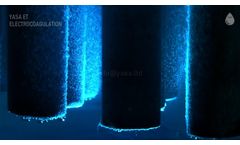
The sludge settles at the bottom of the electrocoagulation reactor, while the flocs float at the top. What is Electro-oxidation (EO)? Electro-oxidation (EO), also known as anodic oxidation or electrochemical oxidation, is a technique used for wastewater treatment, mainly for industrial effluents, and is a type of advanced ...
ByYASA ET
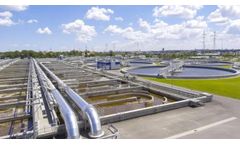
Chemical wastewater refers to the wastewater produced in the production process of chemical plants, such as oily wastewater from the production of ethylene, polyethylene, rubber, polyester, methanol, ethylene glycol, oil tank farms, air separation and air compressor stations, etc. After biochemical treatment, it can generally meet the national secondary discharge standard. Now, due to the ...
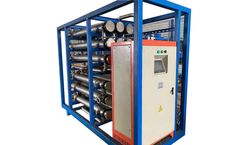
The technical principle of high-voltage pulse electro-flocculation mainly integrates four main functions electrolytic reactions: Oxidation Reduction Flocculation Air flotation These reactions decompose and separate pollutants in water in an all-round way. ...
ByYASA ET

Wastewater with a mass concentration of phenol below 300mg/L can be treated by biological oxidation, chemical oxidation, physical and chemical oxidation and other methods before being discharged or recycled. ...

The lead-acid battery is a kind of battery whose electrodes are mainly made of lead and its oxides, and the electrolyte is a sulfuric acid solution. It has the advantages of low price, stable voltage, and easy repair, and has become the power of electric bicycles, scooters, and other vehicles. ...

Generally, plating, blackening, oxidation, phosphating, and non-electrolytic zinc sheet coating are commonly used. ...

These residues were used to obtain coatings on aluminum alloy by employing plasma electrolytic oxidation (PEO). The PEO process enables the creation of coatings that are durable, uniform, and strongly adherent on metallic components of different shapes. ...

Other hazardous waste disposal methods include high temperature steam sterilization, microwave, plasma incineration, pyrolysis incineration, wet air oxidation, advanced biology, alkali metal dechlorination, cement kiln incineration, melt incineration, centrifugal separation and electrolytic ...

The secondary process includes an aerated lagoon, trickling filtration, activated sludge process, oxidation ditch. The tertiary process includes oxidation technique, electrolytic precipitation and foam fractionation, membrane technologies, electrochemical processes, ion exchange, photocatalytic degradation adsorption and thermal evaporation. ...

Mechanically hard, porous metal oxide deposits with little strength form rapidly with the most serious aspect of this oxygen corrosion being that it occurs in localized cells that result in pitting. ...

The choice of analyzer should be based upon both the hazardous area classification and whether or not the customer desires a display. Electrolytic sensors are not suitable due to the recombination errors that always occur in hydrogen atmospheres. Metal-oxide probes should also be avoided as the reducing hydrogen atmosphere may react with the probe's ...

The integrated pilot unit consists of two compartments, the electrolytic cell (reactor) and the unit of flotation and precipitation of the coagulated colloid particles. The anode of the cell is a DSA type electrode with iridium and platinum oxide mixture deposited on a titanium substrate; Stainless Steel 316 is used for the cathode. ...

'Interestingly, Shell's engineering and Design document also states the Silicon sensor technology to be faster and preferred to aluminum oxide or electrolytic (P205) when using this drying feature. See reference in appendix f. ...