
Electrostatic Filter System Articles & Analysis
11 articles found

Why Lifecycle Cost Matters More Than Initial Cost Most industries focus on the purchase price when selecting air pollution control equipment. However, the real expense comes from operating, maintaining, and servicing the system over several years. A lifecycle cost analysis (LCCA) helps companies evaluate the total cost of ownership and choose equipment that offers long-term savings and ...
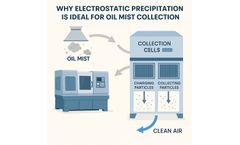
A reliable oil mist collection system is necessary to keep workshops safe and efficient. How Electrostatic Precipitation Works Electrostatic precipitation is a proven technology for capturing fine particles such as oil mist, smoke, and fumes. ...
Industrial processes like CNC machining, grinding, and turning often release harmful oil mist and fumes into the air. These not only pollute the workplace environment but also pose serious health risks to workers and damage machinery over time. That’s where Mistkiller – Powertech India’s centrifugal mist collector – comes in. Mistkiller™ is designed to efficiently ...
FRIESS electrostatic oil cleaning system In a large wood processing company, various hydraulic systems are used to convey and clamp the wooden parts to be processed. Due to the very high dust load throughout the plant, the hydraulic oil used becomes contaminated fairly quickly. ...
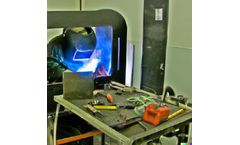
Regular upkeep of systems like fume extractors, mist collectors, dust collectors, and electrostatic filters not only ensures air pollution control but also prolongs the life and efficiency of these systems. ...

Because the exhaust air from the kitchen hood is highly contaminated, the system should be best protected by an electrostatic precipitator with self cleaning automatic washing system. ...
After the smoke escapes from the hood, things are getting harder and no kitchen ventilation is designed on this assumption. Using an electrostatic filter with self cleaning automatic washing system in the shortest possible distance to the exhaust duct line after the hood will protect the exhaust ducts, activated carbon filter and ...

One OM-1 Mist Collector unit can duct to up to 12 mist sources. Systems have 3-4 stages. Stage 1 uses a 13-layer mesh filter media, and reduces mist loading. ...

The particles would quickly clog a conventional filter system or electrostatic precipitator, neither of which could control the odor off the process line. ...
One OM-1 unit can duct to up to 12 mist sources. Systems have 3-4 stages. Stage 1 uses a 13-layer mesh filter media, and reduces mist loading. ...

Limestone forced oxidation (LSFO) systems are the predominant wet FGD technology in use, and lime spray dryers (LSDs) represent the predominant dry FGD systems. A predictive model indicates that LSD systems have lower annualised costs than LSFO systems for coals with less than 2% sulphur and for plants smaller than 300 MWe. ...