
Refine by
Emissions Equipment Articles & Analysis
225 articles found

To comply with new air pollution regulations, SGL Carbon—a global leader in synthetic graphite—needed continuous monitoring of hourly dust concentrations and flows at its Passy, France plant. Following tests of two systems from different suppliers, SGL chose ENVEA’s particulate CEMS analysers for their precision, reliability, and low maintenance. ...
ByENVEA

Why China National Stamp Printing Factory Chose CADAIR After comprehensive evaluation of mainstream VOCs treatment technologies and equipment suppliers in China, the factory finally selected CADAIR for its mature technology, reliable equipment performance and rich industrial project experience. ...

During thermal decomposition, PVC can release hydrogen chloride and other chlorinated compounds, posing severe corrosion risks to reactors and challenges for emission control systems. Plastic pyrolysis equipment processing PVC requires advanced gas scrubbing and neutralization technologies to mitigate environmental and operational hazards. ...

Introduction As environmental regulations continue to tighten worldwide, controlling Volatile Organic Compound (VOC) emissions has become one of the most important challenges facing the printing and packaging industry. ...
Without effective pretreatment, equipment performance may gradually decline and maintenance requirements may increase. 2. ...
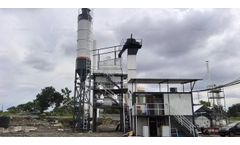
A high-specification asphalt batching plant addresses this challenge through advanced baghouse emission filters equipped with computerized pulse-jet cleaning systems. ...
ByMacroad
Executive Summary The energy sector contributes approximately 35% of global methane emissions according to the IEA Global Methane Tracker 2026. The IEA estimates that nearly one-third of methane emissions may be reduced using commercially available technologies. ...
High Safety Hazards: Highly toxic gases (AsH₃, PH₃) and spontaneous combustion gases (SiH₄) impose strict requirements on the safety, airtightness and stability of treatment equipment. Strict Emission Standards: Multiple regions have tightened environmental regulations, and the emission limits of NMHC, NOx and other indicators are close to ...

Subsequently, mechanical shredding equipment is used to crush and break down the lithium-ion batteries into smaller particles. ...

Combustion-based Equipment: Emissions from incomplete combustion of fuels in heating systems such as boilers, furnaces, and backup diesel generators.Welding and Thermal Processes: Soot particles and byproducts from incomplete combustion during welding, laser cutting, and thermal fabrication processes.Paint Shops and Curing Ovens: Particulate ...
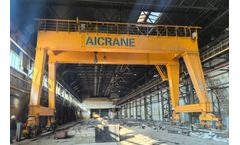
However, these large-capacity lifting systems also carry environmental responsibilities related to emissions, energy consumption, noise, land use, and lifecycle sustainability.Environmental compliance is no longer limited to meeting minimum legal requirements. ...

This significantly reduces harmful gas emissions and the environmental impact of waste. According to relevant statistics, using pyrolysis equipment to treat waste plastics can reduce harmful gas emissions by over 80%. ...
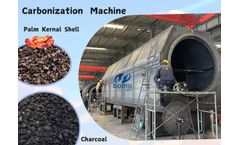
Environmentally Friendly Our carbonization furnaces minimize harmful gas emissions during operation and are equipped with a comprehensive exhaust and purification system to ensure compliance with international environmental standards. 4. ...
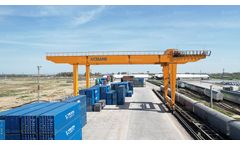
Why Green Manufacturing Matters for Gantry CranesBefore diving into how companies adapt, it’s important to understand why green manufacturing is significant for container gantry crane production.Environmental Impact of Traditional ProductionHigh Energy Consumption: Steel fabrication, welding, and machining require huge amounts of electricity, often sourced from fossil fuels.Carbon ...
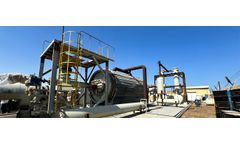
The global pursuit of decarbonization has intensified the demand for technologies that deliver verifiable emission reductions. Thermal desorption technology, deployed through a tdu unit, is increasingly recognized as a viable tool within carbon credit frameworks. ...

However, it should be noted that with the increasing environmental protection requirements, traditional earth kilns have been restricted in many areas due to emission&safety problems. Although intermittent equipment has been improved, it still has problems such as low production efficiency and high labor costs. ...

The transition to hybrid technology represents more than an environmental statement—it's a strategic operational upgrade that delivers measurable cost reductions while future-proofing equipment investments against tightening emissions regulations.Diesel-Electric Synergy in ActionHybrid concrete pumps for sale employ intelligent power management systems that ...
Strong durability: During the equipment manufacturing process, high-quality steel and wear-resistant materials are selected, and key components are specially treated to enhance the durability and corrosion resistance of the equipment, extend the service life of the equipment, and reduce the equipment update cost of customers. ...
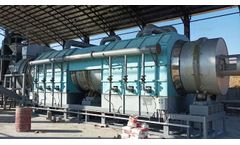
This integrated approach reduces the net carbon emissions associated with both energy generation and waste management. Improved Air Quality and Emission Control Equipped with advanced gas treatment systems, modern palm shell charcoal machines capture and neutralize airborne pollutants such as tar, acidic vapors, and particulate matter. These ...
Introduction In the modern industrial landscape, the continuous carbonization furnace has emerged as a crucial piece of equipment, revolutionizing the way materials are processed and transformed. DOING Holding, a leading player in the field of carbonization equipment, has been at the forefront of this innovation, offering state-of-the-art continuous ...