
Refine by
Emissions Trading Articles & Analysis
322 articles found

Executive Summary The energy sector contributes approximately 35% of global methane emissions according to the IEA Global Methane Tracker 2026. The IEA estimates that nearly one-third of methane emissions may be reduced using commercially available technologies. ...

The State of Nevada faced pressures to meet an increasing number of regulatory requirements while their state continued to grow and develop. Several years ago, they saw value in centralizing and automating and decided to implement i-step. While the system helped with the centralizing and automation, it soon failed to keep up with the demands of the team as they enriched their strategies and ...

New-lndy Containerboard operates four mills producing 750,000 tons of recycled containerboard per year. New-lndy's mills receive more than 100 truckloads of old corrugated cardboard (OCC) daily. This material is cleaned, reduced to a slurry and then reformed to create new containerboard. The recycled paper is then sent to box plants throughout local markets. Each of their California locations ...
Dry mix eliminates this need, reducing transportation emissions. However, the trade-off includes higher dust generation during handling, raising air quality concerns.Environmental Concerns in Dry Mix Production Carbon Footprint and Energy Consumption Cement production—a core ingredient—accounts for nearly 8% of global CO₂ emissions. ...

As global trade continues to grow, ports play an increasingly vital role in the global supply chain. ...
When applied to a biochar production plant, the LCA reveals insights into carbon performance, resource efficiency, and ecological trade-offs. The outcomes help validate the sustainability claims of biochar systems and guide improvements in design, operation, and policy integration. ...
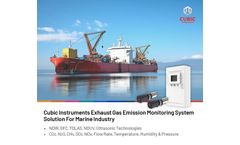
Greenhouse gas (GHG) emissions monitoring requirements are also evolving stricter globally. Building on the Initial IMO Strategy, recent regulations including the EU Emissions Trading System (EUETS) Directive (EU2023/959) and EU MRV Regulation (EU2023/957) will extend GHG emissions monitoring requirements. From January 1, 2024, ...

The global fight against climate change has spurred innovative solutions to reduce carbon emissions and enhance carbon sequestration. Among these, biochar carbon credit trade is emerging as a promising mechanism to incentivize sustainable practices while mitigating climate change. ...
Carbon trading is an innovative approach to addressing climate change, enabling organizations and nations to offset their carbon emissions by investing in carbon reduction or sequestration projects. ...

It helps manage pollution, conserve natural resources, and reduce greenhouse gas emissions, contributing to a more sustainable future. 2. What are the key environmental compliance achievements in the United States? ...
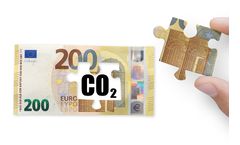
In the introductory part of this short blog series (click here to read >>), we took a general look at the European emissions trading system ETS. However, it gets a bit more complicated than this through a variety of exemptions but played correctly, it also gives an opportunity to reduce the number of required emission permits and thereby ...
ByOPSIS AB

The EU ETS The European Union’s greenhouse gas (GHG) emissions trading system (in short, the EU ETS or just ETS) became effective in 2005. ...
ByOPSIS AB

Britebin™. As urban areas grow, waste management becomes increasingly challenging. Local authorities and city councils are always on the lookout for efficient, cost-effective solutions to manage street litter. Enter The BriteBin™ solution—a new generation of smart bins and technology that promise not just to keep streets cleaner, but also to ...
As industries and governments intensify efforts to mitigate carbon emissions and enhance soil health, the demand for sustainable solutions like biochar production escalates. ...
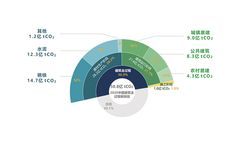
Has construction waste become the largest source of urban waste? Does the carbon emissions of the construction industry account for 50% of the national total? Is the construction decoration industry about to be included in the carbon emissions trading system? ... According to the "2022 Global Status Report on Buildings and Construction", ...

Continuous emissions monitoring is a critical practice required by environmental regulations in the United States and many other countries. Industrial site owners must implement and maintain working continuous emissions monitoring systems (CEMS) to accurately measure and monitor emission levels from smokestacks. This process offers many benefits for manufacturers, customers, and the wider ...
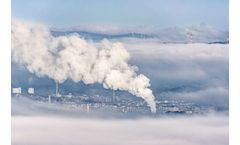
This is referred to as interstate air pollution transport by the USEPA, where air pollution in any area involves the combination of locally emitted pollutants and upwind emissions. Interstate air pollution transport refers to pollution from upwind emission sources that impact the air quality in a different state ...

Ministry of Energy and Resources: OGEMR As follow up to the Prairie Resilience Strategy, the Ministry of Energy and Resources (ER) has released new regulations, known as The Oil and Gas Emissions Management Regulations (OGEMR), which are designed to achieve a 40 to 45% province-wide reduction in GHG emissions from the upstream oil and gas industry by 2025 ...
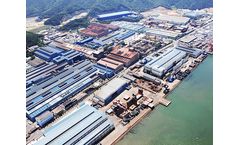
South Korea launched in 2015 the 3-phase Korean Emission Trading System (KETS), becoming the second-largest carbon market after the EU ETS. KETS is indeed designed to play an important role in meeting Korea’s 2030 Nationally Determined Contribution (NDC) target of 37% below Business As Usual (BAU) emissions. It has been ...
ByENVEA
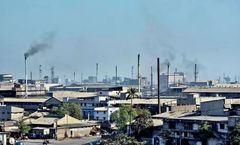
In the state of Gujarat, the Gujarat Pollution Control Board (GPCB) enforces pollution laws and regulations. GPCB sets a cap on the total emission load from all industries. In India’s War to fight against Air Pollution, GPCB has launched Emission Trading Scheme ...
ByENVEA