
Refine by
Endocrine Disruption Articles & Analysis
229 articles found
As 2,2-dibromo-2-cyanoacetamide (DBNPA) faces stricter European regulations due to its classification as an endocrine disruptor, industries are searching for safer, future-proof disinfection methods. ...

Given their profound impact, it's clear that any disruption in their production, signaling, or metabolism can have significant health consequences. ...

Understanding the Cardiovascular System The cardiovascular system comprises the heart, arteries, veins, and capillaries, which work together to transport oxygen and nutrients throughout the body. Any disruption in this system can lead to conditions such as hypertension, atherosclerosis, and heart failure. ...
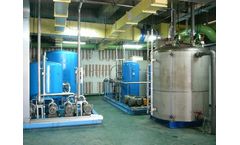
The new AOP design effectively removes challenging refractory organic compounds such as DMSO, TMAH, NMP, IPA, THMs, Urea, chlorinated compounds, taste and odour-causing compounds found in treated water and process water used in semiconductor applications as well as Endocrine disrupting chemicals (EDCs) and pharmaceutical and personal care products (PPCPs), active ...

Untreated hospital liquid waste and biomedical wastewater is a significant threat to water bodies around the world. According to the World Health Organization (WHO), more than 2 billion people lack access to safely managed sanitation services. This is a particular problem in developing countries, where hospital and biomedical waste management is often ...

The visible symptoms are manifold, from necrotic spots and premature leaf drop to yellowing and stippling. These damages disrupt essential functions like transpiration, making plants vulnerable to heat stress, nutrient deficiencies, and subsequent illnesses. ...

More recent studies have focused on the impact of hormone-disrupting drugs on fish, which can become feminized when exposed to endocrine-disrupting chemicals in water. Exposure to hormone-disrupting compounds can lead to male fish producing female egg cells within the testes, a condition described as being ...

A number of the emerging contaminants associated with having a harmful effect on the endocrine system have been recognized as endocrine disrupting chemicals. ...
ByCoftec

What is the one thing that you consume every day and is essential for the survival of life on earth that you don’t expect to have plastic in it? I hate to be to break this down to you, but it is water. The water which you drink every day has plastic in it. How? Let us dive into it. If it comes down to naming the present age, the last 30 years, in particular, we would definitely call it the ...

Summary: A new membrane that’s better for your application Choose Gold-coated polyester membranes for: Detecting and characterizing micro-plastics in environmental water samples. Particle analysis by SEM/EDX, FTIR microscopy and Raman spectroscopy. Identification and characterization of micro- and nanoparticles in pharmaceutical fluids and chemical auxiliary agents. Testing for ...

It has been well proven that endocrine-disrupting chemicals (EDCs) can accumulate in river sediments. ...

Some of these are classified as endocrine disrupting chemicals (EDC’s), which can interfere with the endocrine system and cause cancerous tumors and abnormal development. ...

The public consultation asks whether the EU should have the same approach across regulatory sectors (e.g., industrial chemicals, cosmetics, plant protection products, biocides, food) to identify endocrine disruptors and manage the risks of exposure to endocrine disruptors. ...

In the 2018 Premature Birth Report Card from the March of Dimes, Puerto Rico received a D grade from the nonprofit organization. That year, the preterm birth rate in Puerto Rico was listed at 11.4%, slightly lower than the 11.5% posted for 2016, but still higher than the national average and the March of Dimes' goal of 8.1% by 2020. A new study, discussed in the University of Michigan's Global ...

Chemicals included in the European Union Candidate List of Substances of Very High Concern in accordance with Article 59 of Regulation (EC) 1907/2006 on the basis of Article 57(f) for endocrine disrupting properties. Chemicals for which a reference dose or reference concentration has been developed based on neurotoxicity in the federal Environmental Protection ...

The answer is that some PPCPs are known to disrupt the human endocrine system and can harm human health and the environment in other ways. ...
Pharmaceuticals, personal care products, endocrine disrupting compounds, PFAS, and 1,4 dioxane are some such contaminants. ...
Although more research is needed, it’s theorized that microplastics in the human gut could disrupt the endocrine system, harm the immune system, and help transmit toxins and harmful bacterial illnesses or viruses. ...

Municipal and industrial water treatment is poised to enter an era of significant change, with key regulatory updates on the horizon and cost pressures putting an increasingly tight squeeze on aging infrastructure and operating expenses alike. Tackling these challenges and forging a path towards a successful future demands that all stakeholders up their game, addressing inefficiencies and ...
They can be responsible for a range of severe health problems from cancer to endocrine function disruption. Radiological threats include radon, cesium, plutonium and uranium. ...