
Refine by
Energy Saving Articles & Analysis
2,262 articles found
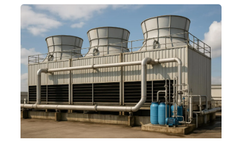
Fresh oxygen helps control odor and algae, while reducing energy consumption through improved pump efficiency and simplified operation. ...
CADAIR Photovoltaic Raw Material Exhaust Gas Treatment Solution | Betely Photovoltaic Material VOC Control Project VOC Treatment Is Essential for Sustainable Photovoltaic Manufacturing As the global renewable energy market and China's photovoltaic industry continue to expand, photovoltaic panel manufacturing has become a key contributor to carbon neutrality and sustainable ...
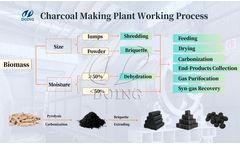
Before purchasing carbonization equipment, it is crucial to engage in thorough communication with the equipment supplier: ①Charcoal Carbonization Solution: Do not be swayed by claims of General-Purpose Equipment; instead, verify whether the manufacturer can provide a customized charcoal making solution tailored specifically to your biomass raw materials and carbonization objectives. ②Equipment ...
Key Advantages High Concentration Efficiency The system can achieve concentration ratios of up to 10–40 times, significantly reducing downstream treatment requirements.Reduced Energy Consumption By concentrating VOCs before oxidation, the size and fuel demand of oxidation equipment can be substantially reduced.Excellent Moisture Resistance Zeolite materials exhibit strong ...
Volatile Organic Compound (VOC) emissions are among the most significant environmental challenges facing tire and rubber manufacturers worldwide.As environmental regulations continue to tighten across Europe, North America, and Asia-Pacific, manufacturers are under increasing pressure to reduce emissions, improve energy efficiency, and support long-term sustainability goals.As a ...
Specific Technologies and Differences: Direct Combustion (TO) Reaction temperature: 680-820℃ Core features: Direct high-temperature oxidation, no regenerator, high energy consumption Applicable conditions: High-concentration (high calorific value) waste gases, generally used as an auxiliary means or for treating high-concentration waste gases Precautions for ...
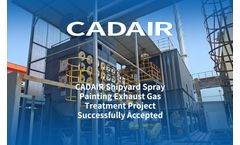
Choosing a professional shipyard spray painting exhaust gas treatment company with proven engineering experience is essential for achieving compliant and energy-efficient production. Recently, CADAIR successfully completed and delivered a spray painting exhaust gas treatment project for a major shipbuilding company in Shanghai, China. ...
Main Pollutants Toluene Xylene Ethyl acetate Propyl acetate Because painting lines often operate year-round, treatment systems must not only ensure high purification efficiency but also achieve energy savings and long-term operational stability. CADAIR Automotive Painting Case A large passenger vehicle painting workshop in Shanghai generated high airflow and ...
Japan Japanese engineering standards emphasize:High system stability Compact equipment design Energy-saving operation Precision airflow controlIndustries commonly use:High-performance zeolite wheels Compact RTO systems Smart energy management systems South Korea South Korean industrial facilities increasingly require:Continuous VOC ...
Additionally, it is applied to automotive painting lines and spray booths to treat xylenes, butyl acetate and butanol, maintaining a recovery efficiency above 96%. 5. Energy Savings & ROI Compared with thermal oxidation equipment (RTO), solvent recovery systems possess prominent economic benefits and environmental value. ...
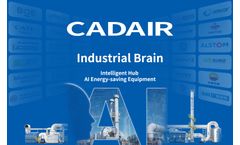
The core energy-saving principle of CADAIR: On the premise of not modifying the original core control system, ensuring environmental protection compliance and continuous production, AI algorithms and massive industrial operating data are adopted to conduct dynamic and refined parameter optimization for VOCs treatment systems (such as zeolite rotor + RTO), ...
Energy-Saving Advantages Low-Temperature Zeolite Rotor Technology Approximately 40% energy savings Approximately 27% lower investment cost RTO/RCO Regenerative Technology Thermal efficiency >95% Self-sustaining thermal balance operation Internal Circulation + RTO Solutions Especially suitable for the electronics and 3C ...

Charcoal, on the other hand, remains a highly demanded energy source in both industrial and domestic sectors, providing consistent sales potential. ...
CADAIR has extensive experience in VOC treatment for the coating industry and, leveraging its core strengths in stable compliance and significant energy savings, has successfully served many leading companies in the sector. ...
With proven compliance stability and energy-saving performance, CADAIR has become a trusted partner for industrial air pollution control worldwide. ...
High-performance zeolite rotors with superior specifications, coupled with RTO-SCR coupling for fuel savings, align with dual-carbon goals. CADAIR also provides one-stop EPC services with extensive project experience. Proven Success Cases 1.Ningbo hazardous waste rotary kiln project: "Baghouse + 5-bed RTO" treats 3,000-10,000 mg/m³ high-concentration CO and corrosive gases ...
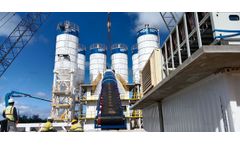
A variable frequency drive (VFD) adjusts the motor speed to match the load. The energy saving is 20 to 40 percent. The cost of a VFD is $1,000 to $5,000 per motor. The payback period is one to three years. The caring argument is that energy saved is energy not generated. A plant that uses less electricity reduces ...
A family-run leader in the Spanish potato industry partners with Wyma to modernise operations, improve quality, and reduce waste—without disrupting production. Feeding Spain with Experience and Innovation With more than 50 years of experience, Ibérica de Patatas is a family-owned company specialising in potatoes. Operating from Mercamadrid—the heart of Spain’s wholesale ...
See how Frederick Hiam partnered with Wyma to boost efficiency, improve crop quality, and achieve automation success. Transforming Efficiency with Wyma Solutions Frederick Hiam Limited is a family-owned business specializing in fresh produce for nearly 100 years. As they approach their centennial anniversary, they continue to lead the way in innovative vegetable processing. View the case study ...

Evaporation looks straightforward: heat water until it turns to vapor, then collect what’s left behind. But there’s more happening beneath the surface. Three physical factors drive the entire process: temperature, airflow, and surface area. Each one matters on its own, but it’s how they interact that determines whether an evaporator runs efficiently or wastes energy. Knowing ...