
Refine by
Environmental Data Software Articles & Analysis
156 articles found

Kimberley took to the stage to present on data reporting and results use as part of the Emerging Professionals Contaminated Land Management and Groundwater Professionals Workshop, sponsored by Hill Labs, a fantastic platform to share insights with the next generation of industry leaders. Both Kimberley and Rebecca also attended the Women in the Industry Breakfast on the second ...
A key finding from our work is that when using AI (Artificial Intelligence) for environmental data manipulation, the instructions sent to the AI engine must be highly specific to achieve reliable, repeatable results. ...
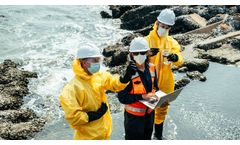
Why Environmental Data Management Skills Are Becoming a Career Advantage Environmental science has always depended on good fieldwork. But today, good fieldwork is only the beginning.A single environmental project can now produce soil results, groundwater data, field readings, laboratory reports, logger data, GIS layers, photographs, chain-of-custody records, regulatory standards, and compliance ...
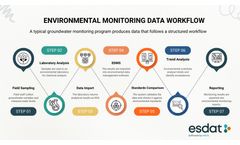
This is where modern environmental data management software becomes important. The Shift Away from Legacy EDMS Workflows Many environmental organizations still rely on systems designed for specialist database teams, not for day-to-day project managers and environmental scientists. ...

Black carbon emitted during automotive manufacturing can accumulate within facilities, presenting operational challenges and broader environmental concerns. Traditional emissions testing and stack measurements offer limited real-time visibility and may not capture short-term fluctuations or localized deposition on the shop floor.Real-time monitoring and high-resolution air quality data enable ...
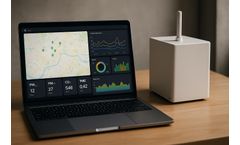
Without a software layer to structure and visualize this data, it can become unwieldy. Environmental data software provides organization, clarity, and usability, enabling consistent, accurate, and traceable data across sites and regions.Envizom overview and how it supports modern ...

Environmental compliance doesn't usually break because teams aren't competent. ...

Executive brief for Directors, Managers, and Compliance LeadsEnvironmental programs don't fail because dashboards are weak. They fail because field data, lab results, and reporting workflows don't align quickly enough to support decisions.For enterprise teams managing groundwater, soil, surface water, air, or multi-site monitoring, the most leverageable software ...
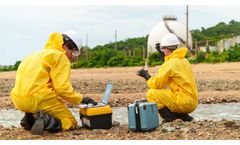
Environmental programs live or die on field execution, yet many organisations still rely on disconnected notes, spreadsheets, and after-the-fact data entry. The result is predictable: slow reporting cycles, preventable QA issues, inconsistent documentation, and limited visibility for managers who need oversight across multiple sites, contractors, and regulators. A modern Environmental Data ...

Environmental compliance reporting has changed. It's no longer a periodic produce-the-report exercise; it's an ongoing, risk-managed workflow that needs fast visibility, defensible data, and repeatable outputs. ...

Modern land development, infrastructure, and remediation projects rely on two distinct but connected streams of information: engineering-focused ground data and environmental condition data. While both come from the same physical site, they serve very different decision-making purposes. Engineering datasets focus on whether land can safely support structures, roads, foundations, and earthworks. ...
That’s the pivot point where organisations start evaluating environmental data management systems—not because they want new software, but because they need repeatable, defensible workflows and a single source of truth. Why spreadsheet workflows become fragile in environmental work Environmental ...
Environmental professionals increasingly face escalating complexity in managing data — from field measurements and laboratory results to compliance reporting and long-term monitoring. ...

Environmental programs today generate more data than ever: groundwater and surface-water monitoring, lab results, emissions testing, borehole logs, and field observations across multiple sites. Many organisations still manage this through spreadsheets, PDFs, and legacy systems — and it’s becoming a serious operational risk. Fragmented data makes compliance reporting slower and more error-prone. ...
Environmental professionals rely on accurate, timely data—and ESdat integrates with laboratory systems to deliver exactly that. Through LabSync and standardized Electronic Data Deliverables (EDDs), ESdat enables seamless, automated data exchange with accredited labs. This integration streamlines workflows, reduces manual handling, and ensures high-quality, validated data is available when ...

ESdat Data Management System for Environmental Professionals ESdat, developed by EScIS, is an intuitive and user-friendly solution that helps environmental scientists and engineers manage a wide range of environmental data. ESdat compiles data from laboratories, field programs, ...

Environmental scientists and data managers face ongoing challenges in efficiently handling, validating, and reporting laboratory data. ...

An Electronic Data Deliverables (EDD) is a structured digital file, such as a spreadsheet, database table, or XML document, used to transmit environmental data electronically between parties. EDDs are designed in specific formats to ensure data can be efficiently imported into environmental data management systems (EDMS) without manual re-entry or transcription errors. These files may contain ...

Australia’s national approach to managing PFAS contamination has taken a significant step forward with the release of the PFAS National Environmental Management Plan (NEMP) Version 3.0, endorsed by environment ministers on 10 December 2024. This latest edition is the product of years of collaborative work between the Commonwealth, State, Territory, and New Zealand governments, led by the ...

What is environmental compliance? Environmental compliance refers to the adherence to environmental laws, regulations, and standards that protect the environment from pollution, degradation, and over-exploitation. ...