
Refine by
Epa Method Articles & Analysis
307 articles found

The energy sector faces regulatory upheaval that expands methane monitoring and mandates high-precision quantification. EPA OOOOb/c standards for new sources and OOOOc for existing sources, alongside stringent European methane regulations, drive a shift from voluntary leak detection to mandatory, quantitative LDAR. Operators and field engineers must determine the required level ...
ByOPGAL
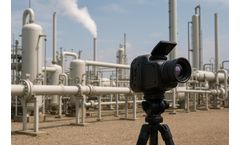
The energy sector faces regulatory upheaval that expands methane monitoring and mandates high-precision quantification. EPA OOOOb/c standards for new sources and OOOOc for existing sources, alongside stringent European methane regulations, drive a shift from voluntary leak detection to mandatory, quantitative LDAR. Operators and field engineers must determine the required level ...
ByOPGAL

Accurate emissions data starts with calibration. In highly regulated sectors like power generation, petrochemicals, cement production, and waste incineration, even a fraction of error can lead to costly violations. That’s why reliable Continuous Emissions Monitoring (CEM) calibration systems are crucial for keeping facilities in line with environmental standards. Environics Inc. delivers ...
Introduction Soil is the foundation of agriculture and ecosystems, yet industrial activities and pesticides often introduce toxic metals like lead, cadmium, or mercury. Rapid assessment of soil composition is essential for farmers, environmental engineers, ecologists, and regulators. X-ray fluorescence (XRF) delivers multi-element results in minutes without complex lab work, making it an ...
Accurate emissions data doesn’t happen by chance. It relies on precise calibration and the field technicians who keep CEM systems running under strict performance expectations. For these technicians, addressing CEM calibration problems is a routine but critical part of the job. Knowing how to recognize and resolve the most common issues can make all the difference in maintaining reliable ...
CEM systems monitor gases at the source of industrial emissions, producing data that must be both precise and defensible. The trust placed in that data, by regulators, engineers, and environmental managers alike, depends on one fundamental condition: accurate gas calibration. When calibration is neglected or imprecise in a CEM system, the integrity of every reading begins to erode. What appears ...

Let’s explore the most commonly used dust suppression methods, their technical principles, and where they work best. 1. ...

Method 21 and the phx42 Leak detection is an essential part of environmental compliance in many industries, and complying with regulations can be challenging. Method 21 is a commonly used EPA method for leak detection, and there are instruments available to help comply with the method, such as the phx42. In this ...
Many different local and state laws enforce emission regulations concerning leak-prone equipment. These laws include the New Source Performance Standards (NSPS), State Implementation Plans (SIPs), Resource Conservation and Recovery Act (RCRA), National Emissions Standards for Hazardous Air Pollutants (NESHAP), and more. Inspectors visit refineries to test their systems’ efficacy to ensure ...

What is it that makes your clothing repel water or your cookware have nonstick properties? The answer could be the use of per- and polyfluorinated alkyl substances (PFASs) to coat these materials. This blog article explains how PFASs and other halogenated organic compounds have been used over the past several decades, their effects on our health and the environment, and how to monitor and ...

.· Durable and handy: little maintenance required· Good compatibility: compatible with the US EPA method, a widely used performance-based guidance for analysis of 31 trace elements in groundwater, soil, sediment, and solid waste.2.AQMS-1000 Standard Air Quality Monitoring SystemIt is a standard ambient air monitoring system encompassing a subsystem, a gas dynamic ...

Here are its features: · Accurate: direct UV absorption with reference comparison (equipped with ozone scrubber that is filled with MnO2 as the catalyst) · Trust-worthy: compliance with US EPA equivalent method · User-friendly: big screen applied · Multi-tasking allowable: software in control 2. AQMS-350 Chemiluminescence ...

The TECTA test was performed alongside reference methods (APHA Standard Method 9222D, mFC, for FC; US-EPA Method 1603, mTEC for EC) on sets of twenty replicate 10 mL samples. The TECTA method results were confirmed using a multi-step procedure developed using the guidelines of the US-EPA ATP ...
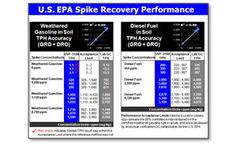
"The UVF-3100A exhibited the following desirable characteristics of a field TPH measurement device; (1) good accuracy, (2) good precision, (3) high sample throughput, (4) low measurement costs and (5) ease of ...

What are Lead Paint Disposal Methods? The EPA has published a list of what it deems the Best Demonstrated Available Technologies (BDAT) for the stabilization of D008 and P+U Lead Wastes. ...
The Société des établissements de plein air du Québec’s (SÉPAQ) key mandate is to manage and develop public spaces along with regional tourism facilities. Its mission is to make sure they are readily accessible to the public, developed in a conscientious manner and to provide protection ensuring best in class facilities for the public, the Province of ...

MANTECH is a leading innovator of water, soil, and food analysis generating the highest quality result, in the shortest amount of time using green methods. With simple, smart analyzers MANTECH has introduced rapid alkalinity testing (RapidAlk™) reducing total analysis time to under 4 minutes with the use of smaller samples, testing alkalinity in the fastest, greenest way ...

In the US, whole-air collection methods, such as glass ‘bombs’ canisters and sampling bags, are widely used for monitoring stack emissions, in accordance with (for example) US EPA Methods 0030, 325 and 5041A. However, these methods are limited in terms of their analyte range and real-time monitoring. ...

There are several European standards and US EPA methods that set the guidelines for monitoring these harmful compounds. In particular EPA method 25A and UNI EN 12619 explain how to monitor VOC using a flame ionization detector (FID), and UNI EN 14662-3 how to monitor benzene using in-situ gas chromatography (GC) with a ...
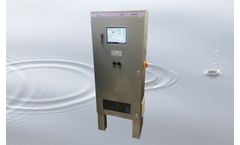
Chromatotec presents a headspace sampling system (following US EPA method 502-2) designed to extract representative samples from a liquid phase. ...