
Refine by
Eutrophication Articles & Analysis: This-Year
4 articles found
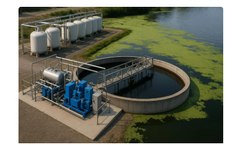
As algae die and decompose, oxygen levels drop in a process linked to eutrophication, which can affect aquatic life and create dead zones. Stricter discharge permits are being enforced, and some jurisdictions impose surcharges for high nutrient loads on publicly owned treatment works or direct industrial discharges.Where Traditional Treatment Approaches Fall ShortMany facilities ...
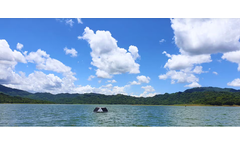
The main categories are: 1) Watershed and catchment management Nutrient loading from agricultural runoff, urban stormwater, and failing septic systems drives eutrophication and cyanobacterial growth. Long-term watershed management programs reduce nutrient inputs through buffer zones, best management practices for agriculture, and land-use controls near reservoir catchments. ...

Benthic zone: Sediments where phosphorus accumulates and releases; the condition of this zone largely determines how long a lake continues producing blooms after external nutrient inputs are reduced. Eutrophication: The Root Cause of Most Lake Water Quality Failures Eutrophication is the enrichment of a water body with nutrients — primarily phosphorus in ...
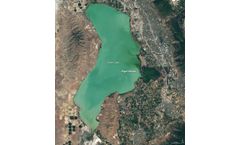
A modest increase in nutrient loading can be the difference between a clear, oxygen-rich reservoir and one that drifts into chronic eutrophication with recurring algal blooms. For drinking water managers, understanding lake nutrients is not just an academic exercise. ...