
Refine by
Exhauster System Articles & Analysis
344 articles found
CATL Project: VOC Treatment with Zeolite Rotor and Catalytic Oxidation CATL is one of the world's largest manufacturers of lithium-ion batteries for electric vehicles and energy storage applications.Project Overview Exhaust Components: Benzene, Toluene, Xylene, n-Hexane Air Volume: 7,000 Nm³/h × 3 systems Treatment Technology: Zeolite Rotor Concentrator + ...
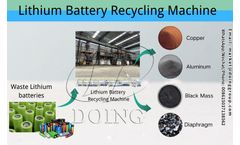
At the source, the comprehensive recycling system has yet to be established. Large quantities of waste batteries are scattered among consumers or discarded with ordinary waste, failing to enter proper recycling channels. ...
Key Advantages High Concentration Efficiency The system can achieve concentration ratios of up to 10–40 times, significantly reducing downstream treatment requirements.Reduced Energy Consumption By concentrating VOCs before oxidation, the size and fuel demand of oxidation equipment can be substantially reduced.Excellent Moisture Resistance Zeolite materials exhibit strong ...
Hazardous waste streams such as:Electroplating sludge Chemical residues Metal smelting waste Industrial solid waste Pyrolysis by-products typically produce exhaust gases with several treatment challenges:High CO Concentrations Carbon monoxide concentrations often range from 3,000 to 10,000 mg/m³, creating both environmental and safety concerns.Multiple Pollutants in One ...

Gravure printing, flexible packaging printing, laminating, coating, and converting processes rely heavily on solvent-based inks, adhesives, and coatings that release significant amounts of VOCs during production.Without proper treatment, these emissions contribute to air pollution, ozone formation, and health risks while exposing manufacturers to environmental compliance penalties and increasing ...
It is particularly suitable for: Shipyard spray painting exhaust treatment Heavy-duty anti-corrosion coating lines Large airflow VOC systems High-safety industrial environments Advantages of RTO for Shipyard VOC Treatment 1. High VOC Removal Efficiency Shipyard painting exhaust gases typically contain: Benzene Toluene Xylene Alcohols Esters ...
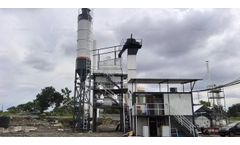
A high-specification asphalt batching plant addresses this challenge through advanced baghouse emission filters equipped with computerized pulse-jet cleaning systems. This filtration technology captures micro-fine particulate matter and hazardous volatile organic compounds before exhaust gases enter the stack. Such granular environmental control is technically ...
ByMacroad
Are CADAIR VOC Systems Energy Efficient? Yes. CADAIR focuses on low-energy VOC treatment technologies. ...
What Is an Organic Solvent Recovery System? An organic solvent recovery system is designed to capture, separate, purify, and recover VOCs from industrial exhaust air streams so the solvents can be reused in manufacturing processes. Unlike combustion-based VOC destruction systems, solvent recovery systems provide ...
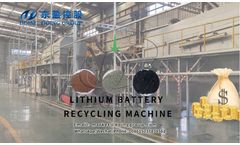
LiFePO4 batteries are widely used in electric vehicles, energy storage systems, and industrial equipment due to their high safety and long service life. ...
Complex & Variable Compositions: Various pollutants are continuously generated during production, including acidic exhaust, alkaline exhaust, organic volatile gas, and special process gas. ...

Introduction The performance of any fume extraction system depends not only on its design but also on how well it is maintained over time. In industrial environments, welding fume extractors are continuously exposed to particulate loading, pressure fluctuations, and operational wear. Without proper upkeep, even a well-designed system can lose efficiency, leading to poor air quality and increased ...
Recommended Solutions To address the unique characteristics of coating industry exhaust gases, CADAIR recommends mature process solutions centered on zeolite rotor systems or three-bed RTO systems. ...
Introduction In welding fume control, the extraction unit often gets the most attention—but in practice, system performance is governed just as much by the duct network that connects capture points to the collector. Poorly designed ducting leads to pressure losses, uneven airflow distribution, dust settling, and ultimately ineffective fume capture at the ...
Introduction Welding processes generate a complex mix of airborne contaminants, including metal fumes, gases, and ultrafine particles. These contaminants are produced directly at the welding arc an dean quickly disperse into the surrounding workspace if not effectively controlled. In industrial environments where welding is performed continuously, this leads to poor air quality, reduced ...
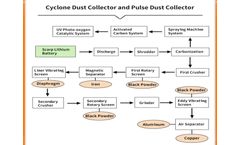
Subsequently, these battery materials are fed into lithium battery recycling machinery for mechanical crushing. The crushing system pulverizes the materials into smaller particles, thereby preparing them for the subsequent material separation stage. 3. ...

Exhaust or Smoke Outlet During pyrolysis, gases and smoke are produced. The exhaust system safely removes these byproducts.Why it’s important:Prevents dangerous pressure build-up inside the chamberProtects the machine from corrosion or soot accumulationImproves environmental compliance by reducing harmful emissions Efficient ...

Combustion-based Equipment: Emissions from incomplete combustion of fuels in heating systems such as boilers, furnaces, and backup diesel generators.Welding and Thermal Processes: Soot particles and byproducts from incomplete combustion during welding, laser cutting, and thermal fabrication processes.Paint Shops and Curing Ovens: Particulate emissions from curing ovens and ...
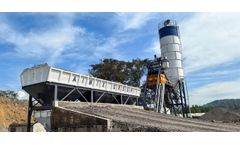
Greener plants employ a layered, systemic approach to acoustic engineering, moving beyond simple sound barriers. ...
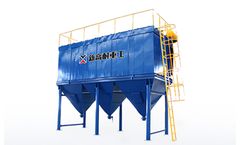
A pulse jet bag filter is a type of dust collector that uses fabric filter bags to capture dust particles from industrial exhaust gas. The system periodically cleans the filter bags using compressed air pulses, which helps maintain consistent airflow and filtration performance. ...