
Refine by
Fabric Filter Bag Articles & Analysis
18 articles found

That air carries cement dust. A baghouse filter captures the dust before the air is released. The filter contains fabric bags that trap particles. Compressed air pulses shake the bags, causing the dust to fall back into the silo. The cost of a baghouse filter is $10,000 to $20,000 per silo. ...
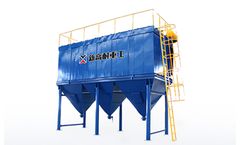
What Is a Pulse Jet Bag Filter? A pulse jet bag filter is a type of dust collector that uses fabric filter bags to capture dust particles from industrial exhaust gas. ...
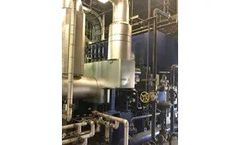
The Facility commenced initial operations in 1992 and included four 100-ton-per-day Consumat (A Gordon Hoskinson company) and technology two/stage gasification units with heat recovery boilers and a dual/train air quality control system consisting of evaporative cooling towers, PAC and hydrated lime reactors, and fabric filter bag ...

Addressing Particulates To start with the latter, there are cyclones, electrostatic filters, and fabric filters that can catch the particles before being emitted. ...
ByOPSIS AB

COX Environment Tech Co., Ltd., especially in manufacture and export Micron Nylon filter bag, liquid polyester filter bag, micron Polypropylene filter bag, liquid filter fabric, filter cloth, Nylon Screen Mesh Fabric, polyester ...
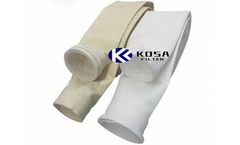

Dust collects on the inside surface of the shaker filter bags, and then clean air exits through the top of the bag. The main difference is how the bags cleaned. ...
Introduction to Pulse-Jet Filter Bags How Pulse-Jet Filter Bags Collect Dust Pulse-jet filter bags are used to remove dust particulate and contaminants from the air in warehouses, plants, factories, foundries, and more. Pulse-jet is one of the most common styles of baghouses you will see across a variety of industries and applications. With this style of baghouse, dust collects on the outside ...
Polyester vs Polypropylene Industry Use Today we are exploring the differences between Polyester vs Polypropylene filter bags. Polyester is one of the most widely used filter bag medias in the dust collection industry because of its reliable performance in a broad range of applications, relatively low cost, and availability. Many industries including food manufacturing, woodworking, ...

The end users sometimes are confused on the air/cloth ratio design from the filter bag dust collector manufacturers, because the same operation condition offered to different dust collector manufacturers the air/cloth ratio may different, some designed from the experiences, and some according to your budget expected, some just offering a list simply for different ...
They tend to be larger than other types of dust collectors and are well-suited to high-volume and high-temperature applications. Baghouse systems employ fabric bags to capture dust particles in gas or air moving through the system. Contaminated air is pulled through the filters, the filter catches the dust, and clean air is ...
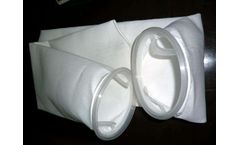
Product Description:Polypropylene/Polyester liquid filter bag,Micron Polypropylene/Polyester filter fabric manufactured PP filter bag(Micron Polypropylene filter fabric) have a lower fiber release, more defined pore size and greater retention efficiency than ...

Stringent mercury regulations have resulted in the following choices: Activated carbon injection ahead of the existing precipitator Activated carbon injection ahead of a new fabric filter Non-carbon sorbents Halogen addition to the fuel and capture of oxidized mercury in the scrubber SCR catalyst with higher conversion rate of elemental mercury to the ...

However, high membrane cost, intensive energy consumption and serious membrane fouling limited its wide application. Therefore, low-cost filters, such as nonwoven, mesh and filter cloth have been applied to substitute traditional membranes. ...

Fabric filters are intended from long-term service utilizing on-line (in situ) cleaning. In gas filtration application, fabric media are primarily fabricated into filter bags for use in baghouse filters where the cylindrical filter bags are ...

Consistent with the 2010 Proposed Rules, the 2011 Final CISWI Rules require that the following parameters must be monitored using a continuous parameter monitoring system (CPMS): Wet scrubbers: charge rate, pressure drop or current, scrubber liquid flow rate, andscrubber liquid pH Fabric filters: bag leak detection system Electrostatic ...

As Mayo evaluated technologies that could be added to installed pollution control equipment, it determined that a bag house or a fabric filter removal system would not be effective because the bag or fabric would bind up due to the water vapor. ...
The following operating parameters will need to be monitored using a continuous parameter monitoring system (CPMS), depending on what type of control device is used to reduce emissions: Wet scrubbers — charge rate, pressure drop or current, scrubber liquid flow rate, scrubber liquid pH Activated carbon injection — mercury sorbent injection rate Fabric ...