
Refine by
Feed Conversion Ratio Articles & Analysis
20 articles found
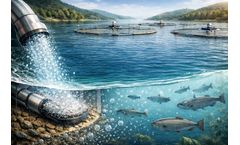
Fish farming is increasing worldwide. However, farmers have to struggle. Low oxygen levels, water pollution, and disease cause poor productivity. For this reason, more innovative solutions are now sought in modern farms. There is one innovation that is powerful today. Nanobubble Tech for fish farming is changing aquaculture practices on all levels. The technology enhances water quality. It ...

Natural Feed Additives for Poultry The poultry industry is undergoing a significant transformation as producers seek sustainable, antibiotic-free solutions to improve bird health and productivity. One of the most promising strategies is the use of natural feed additives for poultry, which are increasingly recognized as effective alternatives to synthetic growth promoters and antibiotics. These ...
The application of biochar in livestock feed is gaining traction as a sustainable approach to improving animal digestion and overall health. ...

This leads to better feed conversion ratios, meaning that animals can extract more nutrients from the same amount of feed. As a result, livestock may require less feed to achieve the same weight gain, reducing the overall environmental impact of feed production. Furthermore, biochar's detoxifying ...

Each service platform contains the pumps, controls, feeding equipment, oxygen supply, waste handling system and other support equipment for its pod. ...
C. Reduced Feed Conversion Ratio Enhanced efficiency of feed utilization: Biochar's ability to improve nutrient absorption and utilization ultimately leads to a reduced feed conversion ratio. ...

Aquaculture is found to be one of the most efficient means of meat production, as shown by the feed conversion ratio provided by National Geographic in the article How to Farm a Better Fish. ...

Enable manufacturing of a extensive variety of species no matter temperature requirements. Feed control is extensively more suitable in RAS while feeding may be intently monitored for twenty-four hrs. ...

The product is designed to increase feed palatability and digestibility for omnivorous fish aiming at the reduction of cost of feeds in farming. ...

Average feed conversion ratios (estimated kilograms of feed to produce a kilogram of meat) for broilers today are 1.7:1. In comparison, genetic progress for feed efficiency has been both inefficient and slow worldwide in cattle markets, with an average feed conversion ...
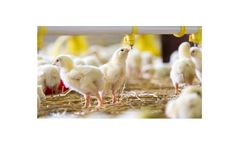
You should be able to record information on feed, hatching, breeding, broilers, and so on, as well as compute crucial factors like Mortality Ratio, Vaccination regimens, Feed Conversion Ratio (FCR), and so on. Furthermore, these pre-defined characteristics should help you organise the feed ...
Water is heavily contaminated with organics from feed and feces and chemicals used to mitigate poor culture practices. ...

Feed efficiency improvement in farms is a global challenge because: Feed efficiency is important for farmer’s profitability Available surface for agriculture and feed/forage production is decreasing Human population and food demand are increasing in quantity and quality (animal proteins) Feed costs are increasing ...

He went on to say, of aquaculture, “It touches the oceans, it touches climate change, it touches nutrition, it touches the future of how we’ll feed ourselves.” Zimmern is not alone in seeing the value, utility, and quality of farmed fish. ...

Another advantage of recirculating aquaculture systems is that its advanced filtering capabilities significantly reduce water pollution from feed, feces, and chemical waste, making it a much more sustainable alternative to other aquaculture methods. ...
RAS facilities require minimal maintenance while optimized feeding modes, and advanced feeding management systems enable a reduction of the Feed Conversion Ratio (FCR) and operational costs. ...

The influence of dietary feed-grade potassium chloride on the productive performance in broilers was studied. Supplementation of diets with 1500 and 3000 ppm of this mineral additive improved live bodyweight in broilers at 34 days of age by 3.52 and 1.33%, respectively, feed conversion ratio by 3.01 and 0.71%. Supplementation of ...

The company is now working on Brazilian beef cattle with larger muscles (for more meat, which may be more tender), while other firms are developing chickens that only produce female offspring (for egg-laying) and beef cattle that only produce males (for more efficient feed-to-meat conversion). With respect to gene drives, while agriculture remains at the ...
ByEnsia
For instance, salmon, known to require a large amount of feed when farmed, are seven times more efficient than beef in “feed conversion ratio,” the amount of feed an animal needs to gain a pound of body mass. ...
ByEnsia
Is a fish sandwich any better for the environment than a cheeseburger or pork tenderloin? It is more efficient from a feed perspective. Nine pounds of feed will produce around 7.5 pounds of salmon, a far better feed conversion ratio than those for cattle and swine. In addition, aquaponics — raising fish and ...
ByEnsia