
Refine by
Fermenter Bioreactor Articles & Analysis
14 articles found

Microbial fermentation is a cornerstone of food science and biotechnology, enabling the production of diverse food products, from traditional fermented foods to modern functional ingredients. ...

The Use of Bioreactors In The Pharmaceutical IndustryThe pharmaceutical industry relies heavily on bioreactors to support a wide range of biological research applications, from cell therapy to vaccine development.1 These bioreactors provide a controlled environment for the growth of microorganisms, such as bacteria, cells, and algae, in order to ...

How Are Bioreactors Used In The Food and Beverage Industry?Bioreactors offer a wide array of benefits in food and beverage production. ...

Biotechnology is a process that utilises enzymes and microorganisms to produce specific products through the use of fermentation under controlled conditions. Examples of products which are produced this way and are used within the beauty industry include hyaluronic acid and resveratrol.3 To obtain these compounds directly from plants would take a lot of water, energy, land and ...

This system has become a vital tool in the food industry, particularly in fermentation and bioreactor monitoring, enabling efficient and effective quality control measures. ...
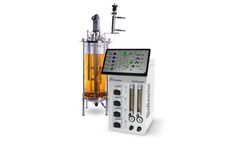
Bioreactor uses include: Pharmaceutical Cosmetic Food For example, within the food industry fermenters are used to produce fermented food products such as beer, kombucha, yoghurt and cheese. ...

What is a Bioreactor?In simple terms, a bioreactor is a vessel in which a biological reaction (bioprocess) takes place under optimal controlled conditions to achieve maximum product formation. We are quite familiar with today’s bioreactor design – a modern glass or stainless-steel bioreactor, however the truth is that ...
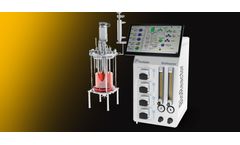
Our benchtop bioreactors are suitable for microbial fermentation (fungi, yeast, or bacteria) and cell cultivation (mammalian or plant cells) processes. ...

Phyton Biotech develops and applies sustainable “green technology” manufacturing solutions for phytochemicals through its award-winning and proprietary Plant Cell Fermentation (PCF) process. The impact of this revolutionary technology is exemplified by Phyton’s environmentally responsible paclitaxel manufacturing ...
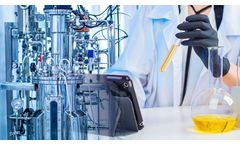
Fermentation is, arguably, one of the oldest forms of biotechnology: humans have exploited the metabolic power of yeast and other naturally occurring microorganisms to produce alcoholic drinks, bread, and other fermented foodstuffs for thousands of years.1,2 Fermentation still plays a vital role in human development. Definitions of what exactly constitutes “fermentation” vary – ...

August 2009 Lockerbie & Hole Western Form Works Taber, Alberta 51 days 13,577 SqFt Town of Taber constructs a Biological Nutrient Removal plant for treatment of wastewater In 2000, the Town of Taber had been operating its domestic Wastewater Treatment Plant based on a Rotating Biological Contactor treatment system. ...

Medicine production starts in a lab, where cells are cultured and bacteria fermented in small batches. When it’s time to move to industrial-scale production, Abec – a supplier of bioreactors and fermenters – employs advanced simulation software from Siemens. Abec, a supplier of bioreactors ...

This work reviews the current status of five selected companies at the forefront of production of liquid fuels from microalgae produced in 'closed' photobioreactors and fermenters: Algae.Tec, Algenol Biofuel, Heliae, Solazyme and Solix. All the five companies in the review have developed novel closed production systems, each with unique technology partners, capabilities and ...

However, if one compares the water usage and waste products from chemical manufacturing and bioreactors for fermentation, bioremediation is more sustainable. CL-Out® is a certified partner in the US EPA’s Design for the Environment program, which provides independent assurance that CL-Out is produced in an environmentally friendly manner. ...