
Refine by
Fertilizer Input Articles & Analysis
53 articles found
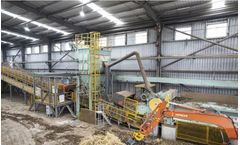
The "Five Utilization” of Agricultural and Forestry Wastes The "five" utilization of agricultural and forestry wastes is fertilizer, feed, fuel/energy, base material, and raw material. Among them, fertilizer and fuel/energy utilization have the highest emission reductions, accounting for 92.7% of the total emission reductions. ...
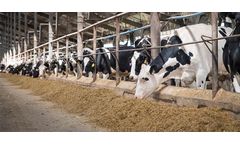
This practice not only improves air quality but also enhances the nutrient profile of manure as a fertilizer. Soil Amendment: When applied to pastures and croplands, biochar improves soil structure, enhances water retention, and increases microbial activity. This results in healthier pastures for grazing livestock, reducing the need for synthetic fertilizers. ...

When used as a soil amendment, biochar improves soil fertility, enhances water retention, and reduces greenhouse gas emissions — all of which contribute to more sustainable farming practices. 1. Enhancing Soil Fertility One of the primary benefits of biochar is its ability to improve soil fertility. ...
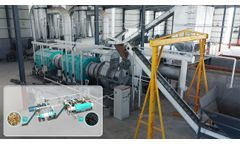
Soil Improvement The application of biochar produced by rice husk carbonizers can significantly enhance soil health and fertility. Biochar is known for its porous structure, which improves soil aeration and water retention. ...
Additionally, the combustion process destroys valuable organic matter that could otherwise enhance soil fertility. Health Hazards The smoke from straw burning contains fine particulate matter (PM2.5 and PM10), which poses serious health risks. ...
Bamboo biochar, a carbon-rich material produced through the pyrolysis of bamboo biomass, offers numerous benefits for poultry farming operations. From enhancing soil fertility to improving animal health and reducing environmental impact, bamboo biochar has emerged as a valuable resource in sustainable poultry production. ...

Nutrient Management: Soil sensors can measure nutrient levels in the soil, allowing farmers to tailor fertilizer applications based on actual crop needs. This precision nutrient management helps reduce fertilizer waste and minimize environmental impact. ...
ByJXCT
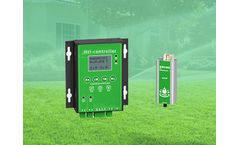
It relies on data-gathering sensors and advanced analytics to optimize crop production, water use, and other agricultural inputs. Intelligent irrigation controller is one of the key components of precision agriculture.An intelligent irrigation controller is a device that uses advanced algorithms and sensors to measure and control the amount of water delivered to crops. ...

Making organic fertilizer from animal manure is a sustainable and profitable method of manure management. 2. Nutrient-Rich Fertilizer Production One of the primary benefits of manure management is the production of high-quality fertilizer. ...

Greater nutrient and water use efficiency from applied fertilizers and water reduces input needs, helping profitability.” To really grasp how well soil is functioning, Schoenau says regular soil sampling is a critical step to assess different indicators, like organic matter content – a reservoir of important nutrients like nitrogen, sulfur and ...
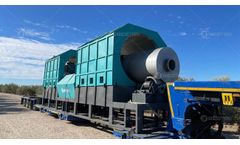
Climate Impact: Beyond its role in carbon sequestration, biochar also contributes to climate change mitigation by reducing the need for energy-intensive fertilizer production, thus minimizing the carbon footprint associated with agriculture. ...

A bit of a background The increase of food production across the years has been mainly due to higher yields resulting from greater inputs like fertilizers, water, pesticides, and other technologies of the “green revolution”. ...
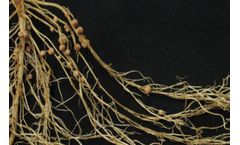
A key component of profitable agriculture is using the exact amount of inputs to drive yields. Fertilizer, your largest expense, must be critically timed to achieve the best results. ...

Effectively and efficiently managing inputs is one of the best ways growers can lower operating costs, maintain yield and reduce waste, but with so many factors impacting the production of each bushel, it can be hard to tell what effects inputs like nitrogen fertilizer actually have on yield. ...

With these in hand, farmers use less energy and fertilizer to get more significant results on a more efficient farm, making it more sustainable. ...
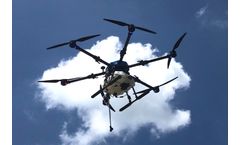
The sector currently faces some challenges, including a shortage of human ability, increased costs for inputs such as water and fertilizer, and a loss of arable land to urban development. ...

This agricultural system is a straightforward farm model that is extensive and does not maximize inputs such as technology, chemical fertilizers, and pesticides. As the pressures of globalization and modernization intensify over time, traditional farming practices and knowledge are becoming obsolete. ...

One major change in how farming is accomplished will almost certainly concern how the soil is managed. Inputs of synthetically produced fertilizer will need to be replaced with compost made locally from uneaten food that is collected locally. ...
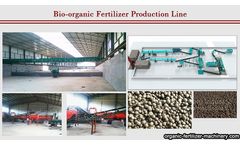
The organic fertilizer making machine treats manure and turns waste into treasure, and the construction of an organic fertilizer plant is a good project. ...
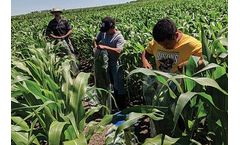
Soil moisture is not only important for crop production, input decisions and yield outcomes – it is an important determinant of runoff volume, flood risk and greenhouse gas emissions from agriculture soil, such as nitrous oxide (N2O). ...