
Refine by
Fertilizer Management Articles & Analysis
109 articles found
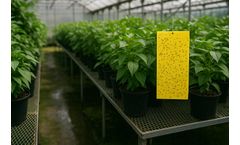
A Practical Technical Review of Environmental Fly Management for Nurseries, Greenhouses, Garden Centers, and Growing Operations In horticulture, presentation, plant health, and environmental control are central to profitability. Nurseries, greenhouses, propagation houses, retail garden centers, and ornamental growing operations invest heavily in irrigation systems, ...

The output not only retains essential nutrients but also provides a microstructured habitat for soil microorganisms, creating long-term fertility benefits. Role in Agroforestry Systems Agroforestry integrates trees, crops, and sometimes livestock into a single management system. ...
Biochar has garnered attention for its numerous environmental benefits, especially its ability to enhance soil fertility, sequester carbon, and improve waste management practices. Among the various biomass sources used for biochar production, rice husk is a particularly abundant and promising feedstock, especially in regions with significant rice production. ...
The resulting material has numerous applications, particularly in agriculture, where it is used to improve soil fertility, increase moisture retention, and enhance crop yields. 2. Environmental Benefits of Biochar Carbon Sequestration: Biochar acts as a long-term carbon storage solution. ...

Other elements such as phosphorus, potassium, and magnesium are supplied to the plant, which needs to be compensated for with more fertilizer. This information shows how important it is to manage fertilizer carefully along the landscape. ...
Bamboo biochar, a carbon-rich material produced through the pyrolysis of bamboo biomass, offers numerous benefits for poultry farming operations. From enhancing soil fertility to improving animal health and reducing environmental impact, bamboo biochar has emerged as a valuable resource in sustainable poultry production. ...
In current agricultural landscape, where reducing production costs, preserving natural resources, and preventing any unfavourable environmental effects, improved fertilizer management is imperative, effective fertilizer management becomes a cornerstone. To achieve this, understanding of crop nutrient requirements is required as ...
A review of various surveys on the state of agriculture revealed a connection between low crop yields, reduced incomes, and soil fertility constraints, particularly soil acidity. Additionally, a lack of awareness about soil health and fertility management resulted in the indiscriminate use of input treatments. ...
The Role of Biochar in Poultry Farming Improved Manure Management Biochar serves as a valuable tool in managing poultry manure, a byproduct notorious for its high nutrient content and environmental impact. ...
By converting jute sticks into charcoal using eco-friendly jute stick charcoal machines, producers mitigate the environmental impact associated with agricultural waste and contribute to sustainable land management practices. Carbon Sequestration and Soil Enrichment Charcoal derived from jute sticks has the potential to sequester carbon and improve soil fertility ...

By integrating climate information, sustainable land management practices, and innovative technologies, climate-smart agriculture promotes resilience and sustainability in agricultural systems. ...
ByJXCT
Monitoring soil health is essential for farmers to make informed decisions about crop management practices, fertilizer application, and irrigation strategies. ...
ByJXCT
Nutrient Management: Accurate measurements of nutrient levels in the soil help farmers apply fertilizers more efficiently, minimizing environmental impact and reducing input costs. Data-Driven Decision Making: Real-time data from soil sensors empower farmers to make timely and informed decisions about irrigation scheduling, fertilization, and ...
ByJXCT
By providing precise and continuous data, soil sensors enable farmers to make informed decisions about irrigation, fertilization, and other soil management practices. Benefits of Soil Sensor Technology: Improved Resource Efficiency: Soil sensors allow farmers to optimize resource use by providing real-time information on soil moisture levels. With this data, ...
ByJXCT

During drought or dry conditions, salinity and pH levels can change quickly in the soil. While the forecast shouldn’t entirely dictate how you manage your farm, understanding and performing the best farming practices when adding seed-placed nutrients can help save your yields when the rain fails to ...
But it is also important to understand that seeding equipment and technology is a factor, and may impact growers’ fertilizer rates. The seed-safe rate for fertilizers relies on numerous factors. ...
· Nutrient levels: Monitoring key nutrients like nitrogen, phosphorus, and potassium empowers designers to tailor fertilization plans, promoting healthy plant growth without over-application. ...
ByJXCT
· Nutrient levels: Monitoring key nutrients like nitrogen, phosphorus, and potassium empowers designers to tailor fertilization plans, promoting healthy plant growth without over-application. ...
ByJXCT
Here are some of the ways that portable soil EC detectors can help agricultural management: Monitoring Soil Fertility: Soil fertility is a crucial factor in crop growth and yield. ...
ByJXCT

This granular information empowers farmers to make informed decisions regarding irrigation, fertilization, and crop management, optimizing resource utilization and maximizing yields. ...