
Fertilizer Recommendation Articles & Analysis
33 articles found

A hydroseeder is a machine used to spread fertilizer and seeds over a large area to establish new grass or plants like wildflowers or groundcovers quickly and easily. ...
Many hydroseed varieties come with recommendations for types of fertilizers, and the hydroseed process itself generally includes fertilizers to help the seeds establish and grow in well. ...

Water quality degradation is a global problem, leading to biodiversity loss and increased health risks for wildlife, plants and animals, as a result of polluted waters. One of the biggest causes of this degradation is phosphorus, an essential element in the functioning of all life… including the crops we grow as part of the world’s food supply. Buildup of phosphorus in the natural ...

Together with his father Lee, Lane owns an independent consulting business that provides field scouting, plant protection, fertility and irrigation recommendation to both conventional and organic strawberry growers as well as to a growing number of blackberry growers. ...

The method of sulfur fertilizer application will affect its oxidation rate, and the combination of sulfur fertilizer and soil is better than strip application. ...
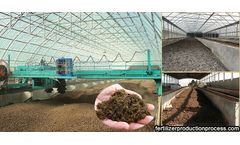
It is recommended that the indoor trough fermentation of manure is more environmentally friendly for organic fertilizer production. How to produce fertilizer? From manure to organic fertilizer, the price has increased a hundred times, the key is to add fermentation bacteria to do fermentation treatment. ...

As fertilizer is a costly input and the fertilizer use efficiency under local soil and climatic conditions are low, maximum use efficiency should be the target for high economic returns. In Pakistan the recommended method of fertilizer application is to broadcast fertilizer on the surface of the soil, followed by ...
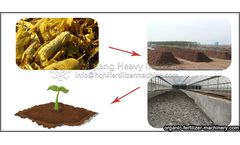
Compared with other fermented organic fertilizer materials, furfural organic fertilizer also has the characteristics of low cost. ...
Soil fertility has a great impact on crop yield and economic benefits. Soil fertility has declined and harvest has decreased, resulting in agricultural losses. ...
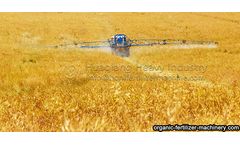
The specific measures include: increasing the application of organic fertilizer, planting green fertilizer and reasonable application of chemical fertilizer, so as to not only benefit the high yield of crops in the current season, but also benefit the recovery and improvement of soil fertility. 2. ...
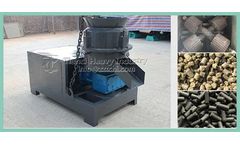
It often is used in organic fertilizer production line, and which is an ideal equipment for feed processing particles. ...

This 1910 Eureka! moment meant farmers could fertilize their crops unlike ever before, growing food on a massive scale. ...

Farmers understand that soil fertility is a key component of growing healthy and high yielding crops. ...

Still, there are many who strongly support the use of harmful synthetic fertilizers because they believer while organic fertilizers may be naturally derived and have no side effects, they do not offer sufficient benefits to use over synthetic fertilizers. On the contrary to this belief, it is a proven fact that organic ...

New and Specialty Crops: Developing agronomic practices and efficiencies: e.g. propagation and establishment, fertility and water requirements, season extension, harvesting methods and post-harvest handling and storage issues. ...

It means growers can apply less nitrogen fertilizer to their fields.* Newton Lupwayi and his research team work with legumes and pulses in Alberta, Canada. ...

This has resulted in nutrient depletion and increased our dependence on synthetic fertilizers. Because of the low efficiency of many commercial fertilizers we have over-applied many nutrients to maintain or increase crop production levels. ...

Although residue return and nitrogen fertilization offered the least GHG emission reduction, the researchers have suggested that these may be necessary management practices to sustain both long-term economic yield and soil quality. ...
Biofuel GHG research project - Texas A&M Agrilife Research Farm Agronomic management practices (fertilization, crop rotation, organic residue management, etc.) can affect the amount and type of GHG emissions that are lost from the soil. ...

Soil water budgets are essential in determining the proper timing and amount of irrigation. Organic fertilizers can be substituted for commercial fertilizers; however, information is sparse on the interaction of irrigation management and nutrient source on cucumber (Cucumis sativus L.) production. ...