
Fertilizer Use Optimization Articles & Analysis
8 articles found

Brad McDougald’s 2,500-acre farm in Drumheller, Alta., experienced a challenging season with a dry spell leading to reduced yields. Yet, through strategic soil health management and the adoption of high-tech solutions from Decisive Farming by TELUS Agriculture, McDougald’s farm outperformed expectations, cementing his commitment to innovative farming practices for sustainable future ...

These intricate devices are equipped with a range of sensors that capture crucial data about the soil, including: Moisture content: Accurately measuring moisture levels allows farmers to precisely control irrigation, ensuring optimal water usage and avoiding both under- and over-watering. Nutrient levels: Soil sensors can detect the presence and concentration of various ...
By knowing the exact nutrient levels in the soil, farmers can identify any potential deficiencies and take necessary measures to address them. Optimized fertilization: The most significant advantage of soil nutrient testing is the ability to optimize fertilization. ...
The sensor can be connected to a data logger or a wireless network, allowing remote access to the data. This information can be used to optimize irrigation schedules, adjust fertilizer application rates, and make other informed decisions about soil management.Types of Soil Sensors:There are different types of soil sensors, each designed to ...
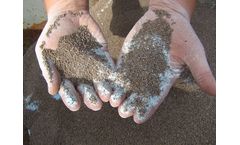
You can certainly plant in an area with good rainfall and nutrient rich soil or use an irrigation system and fertilizers to ensure they get enough of each. ...

” What that means in practice is that farmers and researchers work together to develop farming practices that enhance soil fertility, recycle nutrients, optimize the use of energy and water, and, perhaps most importantly, increase the beneficial interactions of organisms with and within their ecosystems. ...
ByEnsia

The loss of major nutrients can be high in rice (Oryza sativa L.) fields, particularly rainfed rice, where water flowing from field to field during periods of high rainfall not only reduces the nutrient use efficiencies but also has the potential for environmental degradation. We examined the influence of deep point placement of N, P, and K briquettes compared to broadcast incorporation of N, P, ...

ABSTRACTRainfed agriculture has potential to produce needed cereals for the growing populations of West and Central Asia even though rainfed agriculture is perceived as risky. The value of rainfed agriculture to produce competitively should be re-assessed. This requires the concerted efforts of farmers, researchers, and policy makers to work on the technical factors that determine agricultural ...