
Refine by
Filtration Industry Articles & Analysis
204 articles found

Introduction Mist collection systems play a critical role in controlling airborne contaminants generated during CNC machining, metal cutting, grinding, and industrial manufacturing processes. Whether the contaminant is oil mist, coolant mist, smoke, or ultra-fine aerosols, selecting the right collection technology directly impacts air quality, operating costs, maintenance requirements, and ...
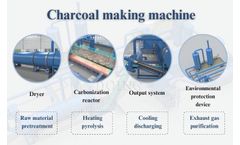
This type of biochar is often used for industrial purposes, such as adsorption, filtration, or as a precursor for further carbon processing. ...
Introduction Soldering operations in electronics manufacturing generate fumes that contain flux vapors, fine particulate matter, and volatile organic compounds (VOCs). These fumes are released directly into the operator’s breathing zone and can quickly accumulate in enclosed workspaces if not controlled effectively. ...
Over time, exposure to these contaminants can affect operator health, indoor air quality, and overall workplace safety. Understanding soldering fumes health risks is essential for designing safer electronics production environments and implementing effective control measures. Proper flux fumes extraction and engineered electronics soldering ventilation systems are critical for minimizing ...
Introduction Selecting the right filtration technology is one of the most critical decisions in designing an effective fume extraction system. Welding and metalworking processes generate fine particulate matter, often in submicron ranges, which require specialized filtration approaches. Among the most widely used technologies are electrostatic fume extractor systems and cartridge fume extractor ...
Introduction Welding fumes consist of submicron particulate matter, metal oxides, and gaseous byproducts that are difficult to remove without properly engineered filtration systems. While capture at the source is critical, the effectiveness of a welding fume extraction system ultimately depends on how efficiently these contaminants are filtered before the air is discharged or recirculated. ...
Introduction Automotive manufacturing is one of the most welding-intensive industries, involving processes such as robotic spot welding, MIG welding, and arc welding across body shops, chassis assembly lines, and component fabrication units. These processes generate large volumes of welding fumes containing fine metal particulates and gases, which can quickly accumulate in enclosed production ...
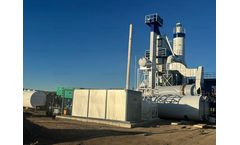
Extended production windows — achieved through genuine noise emission reduction rather than negotiated exceptions — directly translate into project schedule acceleration that engineering consultants should quantify explicitly when justifying premium asphalt batch plant specification to clients evaluating equipment cost against program risk. Pulse-Jet Baghouse ...
ByMacroad
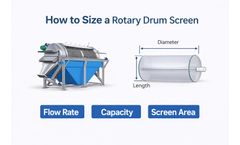
Practical Considerations for Sizing Rotary Drum Screens in Wastewater Treatment Proper sizing of rotary drum screens plays a critical role in maintaining performance in wastewater treatment systems. In practice, incorrect sizing is one of the most common causes of reduced efficiency and increased maintenance. Engineering Perspective Sizing is typically based on the relationship between flow rate ...
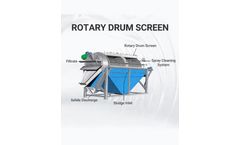
Rotary Drum Screen Guide for Wastewater and Industrial Filtration In many filtration systems, performance problems are often traced back to the screening stage rather than downstream equipment. ...

What Is a Candle Filter and How Does It Work in Industrial Filtration? A candle filter is a pressure-driven industrial filtration system used to separate solids from liquids or gases. ...
Why Smoke Control Is Critical in Metal Cutting Metal cutting processes such as plasma cutting, laser cutting, oxy-fuel cutting, and abrasive cutting release smoke and fine particles into the air. This smoke contains metal fumes, fine dust, and heat-generated byproducts that affect air quality and worker safety. Without proper extraction, smoke spreads quickly across the shop floor. It reduces ...
Why Airflow and Suction Matter in Fume Extraction The performance of any extraction system depends on its airflow and suction strength. These two factors decide how well the system captures fumes, mist, and dust before they spread into the workspace. Industries that use welding, soldering, grinding, or CNC machining rely on proper airflow to maintain clean air and meet safety standards. ...
Why Lifecycle Cost Matters More Than Initial Cost Most industries focus on the purchase price when selecting air pollution control equipment. However, the real expense comes from operating, maintaining, and servicing the system over several years. A lifecycle cost analysis (LCCA) helps companies evaluate the total cost of ownership and choose equipment that offers long-term savings and ...
How Air Filtration Is Evolving in Modern Industries The year 2025 marks a shift in how industries view air quality and workplace safety. With growing environmental regulations and employee health awareness, industrial air filtration systems are no longer optional — they are essential for operational ...
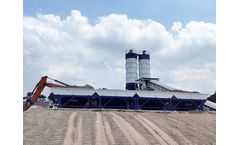
By integrating sophisticated environmental design features, these facilities are demonstrating that industrial progress and planetary responsibility are not mutually exclusive, but are instead complementary forces driving the industry toward a more sustainable and resilient future.A Paradigm Shift in Concrete Production: From Utility to Stewardship The ...
Why Filtration Stages Matter in Fume Extraction Every industrial process that involves welding, soldering, grinding, or machining releases airborne pollutants. ...
Creating Cleaner and Safer Work Environments in Welding Operations Welding is an essential part of most manufacturing processes, but it produces fumes that can harm workers and reduce air quality. A metal fabrication and assembly unit faced this exact problem in their workshop. To protect their workforce and improve overall air quality, they partnered with Powertech Pollution Controls, a trusted ...
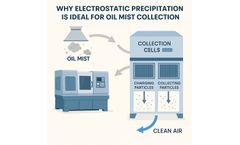
Understanding Oil Mist in Industrial Processes Oil mist is a common by-product in industries that use CNC machining, grinding, or cutting with coolants. ...
Why Proper Installation Matters Installing a fume extraction system is one of the most effective steps an industry can take to improve air quality and worker safety. However, even the best fume extractor can underperform if installed incorrectly. Small installation errors can lead to poor suction, high energy use, and incomplete fume capture. This post explains the most common installation ...