
First Aid Procedure Articles & Analysis
6 articles found

These should be tested regularly to confirm they function correctly. 2. Evacuation Procedures: Establish clear evacuation procedures for personnel in the event of a crane malfunction or other emergency. Conduct regular drills to ensure everyone is familiar with the procedures. 3. First Aid and Medical Support: ...

In Kentucky, the significance of CPR certification extends far beyond a mere qualification. It’s about empowering individuals with the ability to make a crucial difference during emergencies. Each year, situations arise where immediate and knowledgeable action is essential. Being trained in CPR means not only responding to a crisis but doing so with the proficiency and confidence that can ...
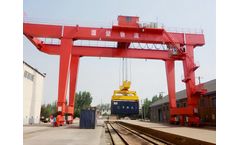
These programs should cover not only the technical aspects of crane operation but also emphasize safety protocols, emergency procedures, and the importance of situational awareness. Well-trained operators are better equipped to handle potential risks and ensure the smooth flow of container handling operations. ...
Hazard Control Measures Identifying threats is the first step. The next important step is implementing control measures. ...

It also provides detailed information on the chemicals with which it can adversely react, how to handle them, its precautionary measures, methods to prevent a spill and first aid procedures. With every new regulatory information made available, the MSDS system must be updated with the same. ...

OSHA's Hazard Communication Standard (HCS) was first adopted in 1983 for the manufacturing sector. In 1987, the agency expanded the scope of coverage to include all industries where employees are potentially exposed to hazardous chemicals. The catalyst for HCS was the powerful Right-to-Know (RTK) movement that gained momentum in the late 1970s, first at the state ...