
Fixed Bed Bioreactor Articles & Analysis
12 articles found
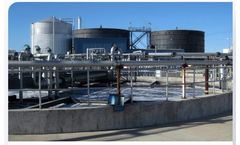
Attached growth systems include fixed film systems such as trickling filters, rotating biological contactors, and submerged fixed-film and moving-bed bioreactors. ...

Last March, residents of Sector 28 Vashi, Navi Mumbai complained of a toxic smell from the local industrial area. The people said that the chemical manufacturers in the neighbouring Trans Thane Creek (TTC) industrial region are the source of the toxic smell. They complained that the toxic smell caused severe discomfort affecting their health and caused contamination of water (Free Press Journal- ...
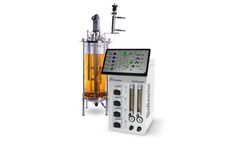
Types of Bioreactors There are various types of bioreactors including single-use, stirred-tank, air lift, rocker, and fixed-bed. A single-use bioreactor, or disposable bioreactor, is a bioreactor with a disposable bag instead of a culture vessel. ...

Since this study was conducted to evaluate the performance and biokinetic coefficients of a fixed bed bioreactor (FBBR) using rice husks as fixed media in HWW treatment, a new modified method was also proposed for biokinetic estimation in FBBR processes. ...
This study investigated the effect, on reactor performance and biomass retention inside the bed, of the material used to make the supports of anaerobic fixed-bed reactors. Three inert supports of similar shape but made of three different materials polyvinyl chloride, polypropylene, high-density polyethylene were manufactured and used. All three supports had the same specific surface area but ...

Attached growth systems include fixed film systems such as trickling filters, rotating biological contactors, and submerged fixed-film and moving-bed bioreactors. ...
Four membrane bioreactors (MBRs) with the same dimensions were studied for 180 days: three hybrid growth membrane bioreactors with biofilm attached in different packing media and a conventional MBR (C-MBR). ...
A novel fluidized bed bioreactor (FBBR) was designed by integration of anaerobic granular activated carbon and aerobic sponge reactors. This FBBR was evaluated at different sponge volume fractions for treating a synthetic wastewater. Polyester urethane sponge with cube size of 1 × 1 × 1 cm and density of 28–30 kg/m3 with 90 cells per 25 mm was used as biomass carrier. The ...
The biodegradation of 2,4,6-trichlorophenol (246TCP) was studied using expanded granular sludge bed (EGSB) reactors and a fluidized bed biofilm reactor (FBBR) filled with activated carbon. One of the EGSB reactor and the FBBR were bioaugmented with Desulfitobacterium strains. 246TCP loading rate was gradually incremented from 10 to 250 mg L−1 day−1. The main pathway of dechlorination was in ...

In this paper, poly (Ε-caprolactone) (PCL) was used as carbon source and biofilm supporter in a fixed bed bioreactor to biologically remove nitrate from drinking water. ...

Another configuration under development is using fixed film bioreactors such as moving bed biofilm reactors (MBBR) followed by external membrane ultrafiltration. Moving bed biofilm reactors (MBBR) are a hybrid of activated sludge and biofilter processes. Contrary to most fixed film bioreactors, ...
ABSTRACTThe treatment of winery wastewater was performed at full-scale applying a two-stage fixed bed biofilm reactor (FBBR) system for the discharge in the sewerage. The results of the first year of operation at the full-scale plant are presented. Values of removed organic loads and effluent concentrations were interpreted on the basis of the COD fractionation of influent wastewater assessed ...