
Refine by
Flowback Water Articles & Analysis
28 articles found
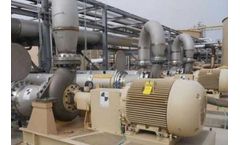
Extracting oil and gas comes with various challenges, one of which is how to deal with the produced water that comes with the oil and gas. In this article, we are going to take a look at produced water: What is produced water Produced water treatment How to dispose of produced water Produced water fracking We’re also going to have a closer look at the pumps that handle produced ...

The Challenge The worldwide energy sector has accelerated the development of its unconventional oil and gas resources through increased use of horizontal drilling and hydraulic fracturing practices. Water is an essential element in the fracturing process and the recycling or reuse of spent water can dramatically reduce costs. The volume of water required to fracture a well varies, but it ...
For a newly fracked well, the cost could reach $100,000 for transporting over 588,000 gallons of flowback – water levels produced from each basin, and indeed, each wellhead can vary. Plus, an additional potential 142,800 gallons each day of transported produced wastewater, at $20,000 per day. To haul water off-site for disposal over the ...

The growth of this industry is often in regions of water shortages. The large amount of Produced and Flowback water can be reused or disposed of in salt water disposal wells. In either case, filtration is a required operation, in particular, at levels less than 20 and often less than 5 microns. Salt water ...

Produced water from the extraction process of oil and gas reserves, as well as flow back water from hydraulic fracturing operations, must be properly managed in order to mitigate any environmental impacts to existing water supplies caused by oil drilling/fracturing activities. Recent research and data indicate that the amount of produced water from these energy exploration and drilling ...
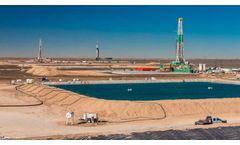
As energy exploration and extraction continue to grow in the US, the volume of water that will need to be treated will increase along with the requirements of appropriate flowback and produced water treatment solutions to maintain compliance with the environmental impacts on the existing water supplies in these areas of ...

UF water treatment systems are used in tertiary process applications in these industries to assist oil/gas operators and oil/gas refineries to obtain suitable water for produced water reuse for fracking operations or sustainable discharge. ...

We were given just 9 months to design-build-commission a facility capable of conditioning highly variable produced water and flowback inflows from gas hydraulic fracturing sites and gas production facilities. ...

After injection, underground pressure forces the fracking fluid back to the surface. This fluid, known as flowback and produced water (FP), presents a disposal problem because it contains combinations of fracking fluid chemicals, natural brines, metals, radioactive material, and hydrocarbons. ...
With persistent drought and water scarcity in many parts of the world — including in Oklahoma and other states — using fresh water for oil and gas production puts stress on water sources that are needed for drinking water and irrigation. Fracking fluid often includes water recycled from fracking, or ...

Yet as hydraulic fracturing activity rises, so does the demand for the freshwater, that is the base of most fracturing fluid, and the need to treat and dispose of flowback/produced water. Fresh Water Harder and More Complex to Source For now, fracturing completions in many areas can be sustained by water sourced from ponds, ...

Shale gas has become a new sweet spot of global oil and gas exploration, and the large amount of flowback water produced during shale gas extraction is attracting increased attention. Internal recycling of flowback water for future hydraulic fracturing is currently the most effective, and it is necessary to decrease the ...
This new product introduces a Propel coating that can tolerate water salinity up to 350,000 TDS and 40,000 PPM hardness—allowing operators incredible flexibility in their water sourcing. Rather than disposing of flowback or produced water, Propel SSP 350 allows operators to easily recycle these traditional waste streams and ...
Processes such as cyclonic separation, flotation, and filtration can be used in multistage treatment for reuse. Types of Produced Water There are two primary types of produced water: Flowback water, the water injected into the well during hydraulic fracturing, has gained great attention in United States ...

UV light is a chemical-free, physical disinfection technique that is widely used throughout the offshore sector. atg UV Technology, a UK manufacturer of water treatment packages for the Oil and Gas sector have seen growing interest in the application of UV disinfection for the treatment of sea water used for well injection in enhanced oil recovery applications. UV light is a ...

For a newly fracked, well, the cost could reach $100,000 for transporting over 14,000 barrels of flowback – water levels produced from each basin, and indeed, each wellhead can vary. ...

Water related costs in frack operations include the acquisition of source water that averages 4 million gallons per well, transportation of the source water to the well, transportation of the flowback and produced water from the well to the disposal site, and fees for disposal into an injection well. ...
” A single well can require as much as 6 million gallons of water, and about a third of that returns to the surface as flowback water that potentially can be treated and reused, Rao says. ...
UPTICK Newswire “Drought and water related news are prominently in the headlines. Goldman Sachs is calling water the next oil. ...
Produced water from the extraction process of oil and gas reserves, as well as flowback water from hydraulic fracturing operations, must be properly managed in order to mitigate any environmental impacts to existing water supplies caused by the oil drilling/fracturing activities. ...