
Refine by
Flue Gas Sampling Articles & Analysis
87 articles found
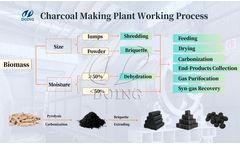
As market demand for high quality machine-made charcoal and biomass fuels steadily increases, many investors have turned their attention to the charcoal production industry. To establish a charcoal production line, preliminary planning is crucial. This article provides a detailed breakdown of the preparatory work required for charcoal production, guiding you through the critical stages of plant ...
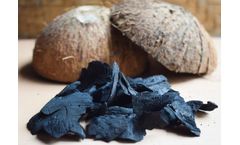
In today's global barbecue market, coconut shell charcoal is increasingly becoming the ideal choice for barbecue enthusiasts due to its long burning time, high heat output, and smokeless and odorless properties. For investors and manufacturers, transforming discarded coconut shells into high-value BBQ charcoal not only solves the problem of agricultural waste disposal but also presents a ...

Client: Confidential Customer Site location: Sohar, Oman Project: Antimony and Gold Refinery ERG project: Flue gas gas cleaning (desulphurisation) and gypsum production ...
Client: IFF International Flavors & Fragrances Site: Haverhill Equipment: Boiler flue gas cleaning system ...

The small pyrolysis plant adopts skid-mounted operation mode, with a processing capacity of 1-2T/D. It can be used to process municipal solid waste(MSW), medical waste, plastics, tires, sludge, etc. Solid waste is decomposed into oil, gas, carbon black and combustible gas through pyrolysis reaction. Small Pyrolysis Plant for Sale Skid-mounted design: The pyrolysis reactor, condensation ...
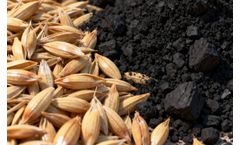
Rice husk carbonization is an important method for reusing agricultural waste, but direct carbonization often fails to achieve ideal results. Appropriate pretreatment not only improves carbonization efficiency but also helps enhance the quality and yield of the final biochar product. As a carbonization equipment manufacturer, we will introduce common pretreatment steps for rice husk carbonization ...
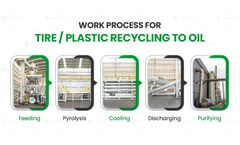
Pyrolysis of waste plastics into oil is a process of turning waste into treasure, so what is the working process of pyrolysis of waste plastics? The process of pyrolysis of waste plastics includes feeding, pyrolysis, cooling, discharging and purification. Extract high value-added products such as pyrolysis oil, carbon black and combustible gas from waste plastics to truly realize the recycling ...

Branch in Bialystok, boiler K6, Poland In 2014-15, Radscan provided flue gas condensation and condensate purification to boiler K6 at ENEA’s CHP plant in Bialystok. The biofuel driven boiler has a capacity of 80MWh. Radscan’s plant delivers an up to an additional 25MWh and approx. 20m3/h treated condensate, which is used for district heating. The plant was acquired in February ...
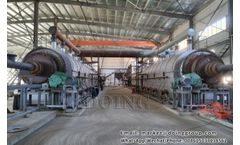
In recent years, corn cob charcoal making technology has become popular. After carbonization, corn cobs are converted into a high-quality biomass carbon. This biomass carbon not only has the characteristics of high calorific value and low pollution, but also has a wide range of application prospects. And the carbonization process of corn cobs is simple and efficient. Just place the corn cobs on ...

Entrusted by the company, shandong baolan environmental protection engineering co., ltd. for its preparation of the preliminary design scheme of dust removal and desulfurization treatment. In line with the design principle of mature and reliable technology, reasonable overall layout, convenient operation and management, and low processing cost, we compiled the ...
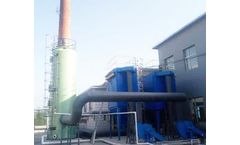
Entrusted by the company, shandong baolan environmental protection engineering co., ltd. for its preparation of boiler dust removal and desulfurization treatment preliminary design scheme. In line with the design principle of mature and reliable technology, reasonable overall layout, convenient operation and management, and low processing cost, we compiled the ...
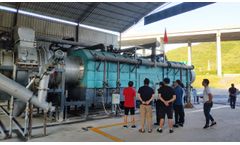
Charcoal has been a reliable source of fuel for generations. Traditionally sourced from wood, advancements in technology have unearthed alternative and valuable sources. Among the most prominent is coconut shell, which was once considered waste but has now become a vital ingredient in producing high-quality charcoal. This shift not only yields superior outputs for industrial and local use but ...
The flue gas is “sampled” but no “sample” is created and preserved. ...
ByOPSIS AB
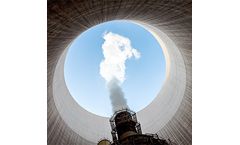
Depending on the fuel composition, the type of combustion process, and in some cases the flue gas cleaning process, there can also be a wide range of other gaseous pollutants in the flue gas such as carbon monoxide (CO), sulfur dioxide (SO2), ammonia (NH3), hydrogen chloride (HCl) and fluoride (HF), mercury (Hg), and dioxins. ...
ByOPSIS AB

Historically, mercury (Hg) has found its use in many products such as thermometers, batteries, and fluorescent lamps. However, mercury is extremely toxic, and it has in modern days been banned from use in most applications. By example, the Minamata Convention on Mercury from 2013 has been designed to prevent releases of mercury and mercury compounds in order to protect human health and the ...
ByOPSIS AB
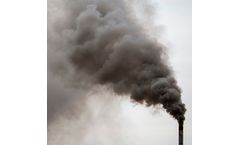
Speaking of industrial emissions to air, it is often a matter of emissions resulting from combustion processes. The main components of the emissions are nitrogen and some excess oxygen originating from the incoming air being fed to the combustion process, as well as water and carbon dioxide (CO2) being the primary results of the combustion reactions. The concentrations are at percentage levels. ...
ByOPSIS AB

There are often rules and regulations dictating what and how to monitor when it comes to emissions to the ambient air. By example, the European Union has established the Industrial Emissions Directive (the IED, 2010/75/EU) with conclusions on best available techniques (BATCs) for different types of industries.These documents serve as guidance and in some cases minimum requirements for national ...
ByOPSIS AB

FPI CEMS provides an application gas analysis solution integrated with a particulate monitoring subsystem, TPF processing subsystem, gaseous (pollutant) monitoring subsystem, and data acquisition and processing subsystem, covering all the indicators and parameters to meet different customers' needs. ...

A Rice Hull and Husk Carbonizer use the husks, hulls, as well as the coverings surrounding rice grains and convert these kinds of products into a kind of charcoal. The hulls and husks on rice tend to be removed and discarded. The process involved to turn hulls and husks into charcoal is one of the environmentally sustainable choices to present an energy or source of heat. More information on rice ...
A Rice Hull and Husk Carbonizer take the husks, hulls, as well as the coverings surrounding rice grains and convert the products into a type of charcoal. The hulls and husks on rice are generally removed and discarded. The procedure involved to change hulls and husks into charcoal is one of the environmentally sustainable alternatives to provide an energy or source of heat. Get the rice husk ...