
Refine by
Forage Articles & Analysis
249 articles found
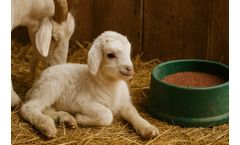
Adequate dietary magnesium contributes to metabolic stability during periods of high demand, reducing risk of deficiencies.Signs Mineral Requirements During Kidding Season Are Not Being MetPoor body condition despite adequate feedIncreased kidding difficultyHigher rates of stillbirthsKids slow to stand or nurseIncreased disease incidenceDoes that struggle to rebreedForage Alone Is Rarely ...
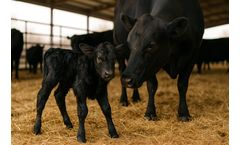
Key priorities include:Energy drives reproduction; forage testing and supplemental energy may be required late gestation and early lactationProtein supports rumen function, fetal development, and milk productionTrace minerals copper, zinc, manganese, and selenium are critical for hormone function, embryo survival, and immune strengthVitamins A and E support reproductive ...
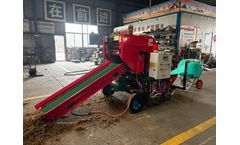
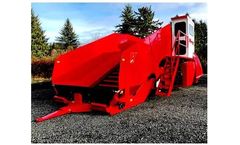
It turns waste crop straw into high-quality feed, supporting efficient, eco-friendly and profitable livestock and forage production. Ideal for farms, breeding bases and straw processing ...
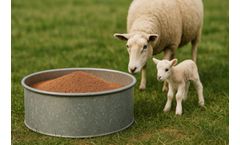
Delayed or reduced colostrum leaves lambs vulnerable, making gestational mineral status a preventative priority.Mineral Intake Challenges During GestationEven with supplementation, intake can be inconsistent due to selective feeding, weather-driven changes, forage mineral variability, and cold stress. Common challenges include:Overconsumption or underconsumption of loose ...
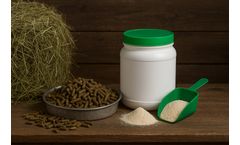
When building a nutrition program for horses, forage, balanced concentrates, and clean water form the foundation. Beyond these basics, feed additives provide targeted support to gut health, immune resilience, and metabolic efficiency, influencing daily health and performance.BioZyme is a global fermentation company focused on animal nutrition and health. ...
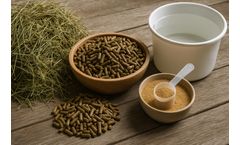
Developing a horse nutrition program starts with quality forage, balanced concentrates, and clean water. Feed additives for horses provide targeted support to improve digestion, gut stability, immune resilience, and metabolic efficiency, helping horses perform consistently amid stress, travel, and workload.Feed additives are typically included in small amounts but are designed ...

As winter sets in, pest pressures don’t go away—they shift. For facility managers, property owners, and pest control professionals, cold months introduce a different set of challenges, especially when it comes to birds. As temperatures drop and food sources disappear, birds become more reliant on buildings for shelter and warmth. That makes winter bird control a critical priority for ...

Across the domestic cow-calf sector, production systems, forage resources, and breed types vary widely. Yet despite these differences, the nutritional demands of the beef cow remain surprisingly consistent, especially during the final stages of gestation and early lactation. ...
Horse Hoof Care When conversations turn to horse hoof care, they often center on farriers, trimming schedules, shoeing decisions, and environment. While each of those elements plays an important role, they address only part of the picture. Healthy hooves are not built solely from the ground up; they are grown from the inside out. Nutrition is the quiet workhorse behind strong hoof horn, ...
Fiber Digestion in Ruminants Raising healthy, fast-growing stocker cattle takes more than just good grass and a salt block. It takes understanding how the rumen works and how to keep it running at its best. The rumen is the largest part of a beef animal’s stomach and plays a vital role in how the animal digests fiber. When fiber digestion in ruminants improves, cattle gain weight faster, ...
Wintering Goats As temperatures drop and daylight shortens, goat producers should prepare to focus on winter preparation. Successfully wintering goats means more than simply providing shelter. Winter prep requires proactive nutrition planning, effective parasite management, thoughtful breeding and kidding strategies, and environmental considerations that vary by region. Regardless of whether you ...

Therefore, when the molybdenum content in forage and feed is insufficient, it is necessary to add molybdenum additives to the feed in accordance with strict nutritional needs and process technology requirements to meet the needs of animals Agricultural fieldhttps://www.edge-techind.com/Comparison between normal sunflower plants (right) and molybdenum-deficient plants (left) ...
Large open spaces, expansive rooftops, water features, lighting infrastructure, and constant vehicle movement create ideal conditions for birds to gather, roost, and forage. At the same time, these facilities operate under strict safety, regulatory, and operational standards where even minor disruptions can have serious consequences. ...
Warehouses and industrial facilities present unique challenges when it comes to managing pest birds. The scale, structure, and function of these buildings—often featuring high ceilings, open bays, storage racks, and constant activity—create ideal conditions for birds seeking shelter, food, and nesting sites. Pigeons, sparrows, starlings, and gulls are particularly problematic in these ...
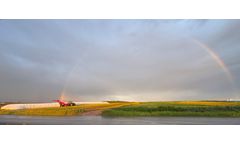
Bagged silage extends the harvesting window and improves forage preservation in provinces with brief harvest periods or unreliable fall weather. ...

However, hydroquinone does not have an attractant effect in other termites such as Formosan subterranean, which shows the specificity of its function. When ants go out to forage, in order to help other individuals determine the walking position, they will secrete derivatives of isocoumarin on the route of advancement. ...
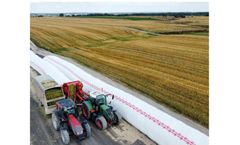
This is particularly true for silage, a preserved forage made from energy-rich crops such as corn, alfalfa, sorghum, or grass that undergo fermentation under anaerobic conditions. ...
Cattlemen are increasingly turning to bagged silage for flexible feed management. The most fundamental beef cow feeding strategy remains the use of pasture, which is considered the lowest-cost feed resource. Therefore, many cattle operations aim to maximize pasture time annually to benefit from labor, manure management, physical activity, and nutrition advantages. ...

Compared to hay production, silage increases the potential yield of nutrients from available land, decreases feed costs, lowers harvest losses, and often increases forage quality. However, maximizing the benefits of silage depends on the proper packing of fodder crops stored in airtight conditions to prevent spoilage and increase nutrient value. ...
As a cost saving alternative to dry grain supplementation, bagged snaplage/earlage offers high energy content and easy digestibility Dietary supplementation with dry grains has traditionally been utilized as an economical way to meet the high energy demands of the herd, particularly when forage is scarce or of low quality. However, dairy farmers are increasingly turning to high ...