
Refine by
Fruit Processing Articles & Analysis
95 articles found
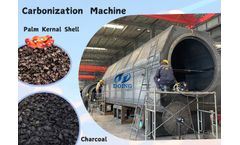
The following common types of palm oil processing waste can be recycled and processed into biochar: 1. Palm Empty Fruit Bunches (EFB) Empty Fruit Bunches are the primary solid waste generated after palm oil extraction, produced in large quantities. ...
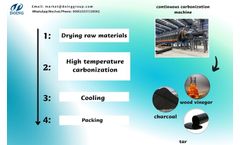
Agricultural waste typically possesses a high moisture content; specifically, freshly harvested crop stalks or fruit husks may contain moisture levels ranging from 30% to 60%. For most agricultural waste, drying pretreatment is required prior to carbonization. ...
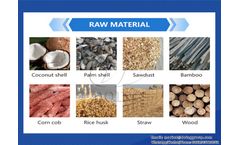
Livestock and Poultry Manure: Excrement from farmed animals such as pigs, cattle, chickens, etc. Agricultural Processing Residues: Such as fruit pomace, soybean dregs, spent grains (brewery waste), residues from traditional Chinese medicine processing, etc. ② Forestry Waste Prunings from Fruit Trees and Timber Forests: Such as ...
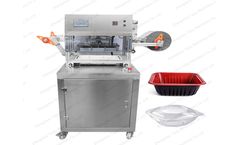
With wide application, it is suitable for packaging meat, seafood, cooked food, snacks, vegetables, fruits, tofu and other fresh and processed foods. The gas filling function supports the package shape, avoiding crushing fragile products while keeping their perfect appearance. Integrating vacuum, gas filling, sealing and cutting into one automatic ...
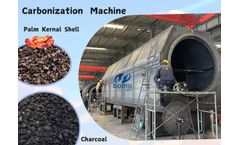
Palm oil is a widely used vegetable oil worldwide, particularly in food processing, cosmetics, and bioenergy. After palm fruit is processed to extract its oil, the empty fruit bunches often become a neglected waste stream. ...
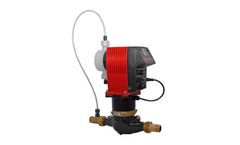
“This saves time, reduces personnel costs and simplifies processes in the greenhouse.” Fruit and vegetables: Producing chlorine for washing water from standard table salt At Agritechnica, Lutz-Jesco will also be presenting solutions for sustainable water disinfection in agriculture. This is important, for example, when manufacturers have to wash ...
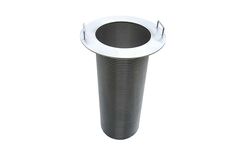
Versatile Applications Water /WastewaterTreatment Oil & Gas & Chemical Power Generation Food & Beverage Coal Mining Pharmaceutical Pulp and Paper Wedge Wire Strainer Baskets can be fabricated to meet a variety of process applications. Backwash, High Viscosities, and Flow Directions as well as process variations can all be accommodated. ...
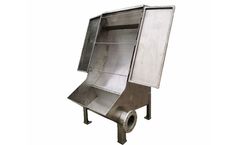
In industrial wastewater treatment, food processing, and agricultural runoff management, efficient solid-liquid separation is critical. ...
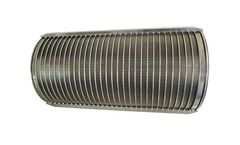
The screw press screen can achieve efficient solid-liquid separation for wastewater treatment, food processing, and pulp manufacturing. What Makes Screw Press Wedge Wire Screen Cylinder Stand Out? ...
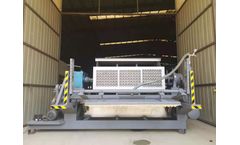
The Role of Waste Paper in Pulp Molding Recycled paper serves as the primary raw material in molded pulp production, forming the basis of fruit trays used in agricultural packaging. Collection and sorting processes ensure that only suitable grades of paper, such as newspaper, cardboard, and office paper, enter the production cycle. ...
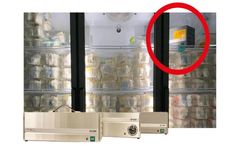
Challenge: Fruit producers face the challenge of storing different fruit types in the same cold room without shortening their shelf life. Apples emit ethylene gas, which accelerates the ripening process and causes other fruits, such as pears, to spoil more quickly. Additionally, mold and yeast growth pose a constant threat to ...
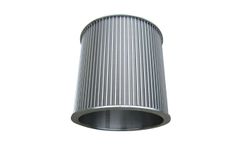
Food and Beverage: They play a vital role in food and beverage processing, helping to separate solids from liquids in processes such as fruit and vegetable juice extraction, starch recovery, and brewing. ...
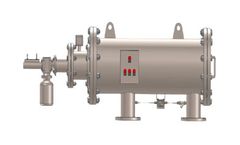
Sugar syrup filtration Clarification of fruit juices in food processing Clarification of fruit juices in food processing Fining and Polishing Treatment in Winery Primary DE Filtration in brewery Cell harvest (biomass) in Biotech industry Plant extract in the Pharmaceutical industry Kieselgur filtering in wine-making The self ...
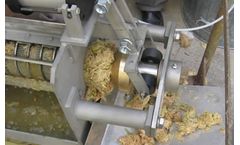
The Continuous Slot Screen is an essential filtration solution for treating wastewater in the fruit and vegetable processing industry. Designed with precision-engineered V-shaped wedge wires, this screen allows for high-efficiency solid-liquid separation, ensuring the removal of organic matter, peelings, seeds, pulp, and other debris from the wastewater generated ...

EU Horizon 2020 – the Framework Programme for Research and Innovation, 2014-2020 ULTIMATE indUstry water-utiLiTy symbIosis for a sMarter wATEr society The goal of this 4-year project, which started in June 2020, is to turn wastewater into a resource, aiming in creating economic value and increasing sustainability by valorizing resources within the water cycle. Nine business cases from ...
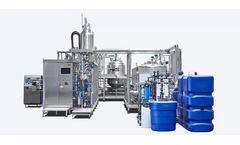
HRS is well known as a leading supplier of heat exchange, but our clients are increasingly looking for turnkey solutions for their thermal processing challenges. In response to this, HRS has a team solely dedicated to the development of complete systems, which account for more than half our total sales by value. ...
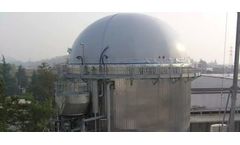
EFC reactors bring many advantages for treating high COD wastewater The external forced circulation (EFC) reactor is a type of anaerobic digester developed by Fluence that is particularly suited for the treatment of high soluble COD wastewater streams like those of: Paper and pulp manufacturing Livestock operations and slaughterhouses Meat and seafood processing and ...
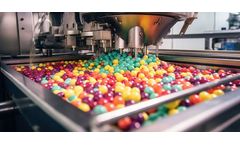
Fluence’s EFC reactor boosts anaerobic digestion to efficiently deal with high flows and high organic load. Industrial operations are often charged high rates for municipal infrastructure to treat their high-strength wastewater. Pretreating effluent in-house with anaerobic digestion systems can reduce surcharges and provide an excellent ROI. For example, the confectionary industry produces ...
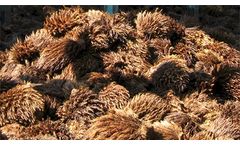
Introduction to Empty Fruit Bunches (EFB) in Palm Processing Overview of Empty Fruit Bunches Derived from the palm oil extraction process, Empty Fruit Bunches (EFB) consist of fibrous materials left after the extraction of palm oil from the fresh fruit bunches. ...

There are many types of fruits, and different fruits have different storage temperatures and humidity, but they all need a constant and suitable temperature and humidity environment. ...