
Refine by
Fugitive Emissions Articles & Analysis
185 articles found
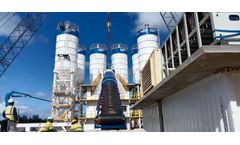
Particulate emissions from concrete batching plants represent one of the sector's most persistent environmental compliance challenges. ...

For enterprises aiming to achieve long-term compliant emissions, choosing an experienced and technically capable waste gas treatment provider is crucial. ...

Should coating plants choose RTO or catalytic oxidation systems? What are the latest VOC emission standards in different countries and regions? How can coating facilities reduce natural gas consumption in RTO systems?This article explains these issues using international engineering practices and emission standards commonly applied in North America, Europe, ...

Notably, fugitive emissions can constitute a substantial share of total VOCs in refineries, underscoring the need for boundary surveillance. ...
Notably, fugitive emissions can constitute a substantial share of total VOCs in refineries, underscoring the need for boundary surveillance. ...
Notably, fugitive emissions can constitute a substantial share of total VOCs in refineries, underscoring the need for boundary surveillance. ...
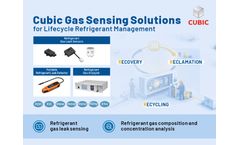
Environmental Protection Agency (EPA), direct fugitive emissions from refrigeration and air-conditioning systems constitute a significant source of Scope 1 greenhouse gas emissions due to the high global warming potential of fluorinated refrigerants. ...
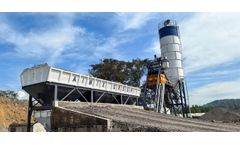
The traditional concrete batching plant has long been perceived as a necessary industrial nuisance within the communities that host it, characterized by the persistent drone of machinery and the potential for fugitive dust emissions. This perception is undergoing a fundamental revision driven by technological innovation and heightened environmental awareness. ...

OGI, short for Optical Gas Imaging, has become one of the most influential technologies in industrial gas detection. What started as a visual inspection method has evolved into a core capability for safety, emissions control, and regulatory compliance across multiple industries. Today, OGI is no longer viewed as a standalone camera technique. It is increasingly embedded within broader monitoring ...
ByOPGAL

Introduction: Why OGI Systems Are Becoming an Industry Standard Industrial gas detection is undergoing a fundamental shift. As safety, environmental accountability, and regulatory oversight continue to intensify, operators are moving away from isolated measurement tools toward integrated detection platforms. OGI systems represent this evolution by combining optical gas imaging with intelligent ...
ByOPGAL
Introduction: OOOOc - The Next Step in Methane Regulation As global attention on methane intensifies, the U.S. Environmental Protection Agency (EPA) continues to roll out new standards aimed at reducing emissions from the oil and gas sector. Following the introduction of OOOOb, the agency is now advancing OOOOc, a complementary rule targeting existing oil and gas sources rather than new ...
ByOPGAL
For oil and gas operators, controlling fugitive methane emissions is no longer optional – it is a regulatory and reputational necessity. ...
ByOPGAL

Introduction: Why CH4 Connections Matter Methane, or CH4, is one of the most potent greenhouse gases known today. While its atmospheric lifetime is shorter than CO2, its warming potential is over 80 times higher over a 20-year horizon. This makes methane emissions a top priority for both regulators and industry leaders. When we speak of CH4 connections, we are talking about the direct links ...
ByOPGAL

With the methane regulation widely adopted in oil and gas industry, site-level methane emission monitoring system becomes an effective tool for oil and gas operators, which further brings the need of accurate and durable weather monitoring solutions with the ability to capture real-time wind speed and wind direction data to help methane emission monitoring system ...
Whether for oil and gas operators, chemical processing facilities, or energy producers, the ability to accurately identify fugitive emissions is critical. Traditional tools like gas sniffers or pressure testing often fall short in sensitivity, efficiency, or practicality. ...
ByOPGAL
In the evolving landscape of environmental regulation, staying ahead of new standards is essential for any company operating in the oil and gas sector. Among the most important updates issued by the Environmental Protection Agency (EPA) in recent years are the NSPS Subparts OOOOa, OOOOb, and OOOOc — each building upon the last to increase stringency in emissions monitoring and leak ...
ByOPGAL
OGI - short for Optical Gas Imaging - has rapidly become a cornerstone of modern emission monitoring and leak detection strategies. As regulatory pressures increase and industrial operations seek better tools to manage fugitive emissions, OGI stands out for its precision, efficiency, and visual clarity. ...
ByOPGAL

This automation supports 24/7 operations in industrial-scale facilities. Emission Control and Regulatory Compliance Innovative reactor designs now incorporate gas scrubbing systems, catalytic converters, and sealed negative-pressure zones to reduce fugitive emissions. ...
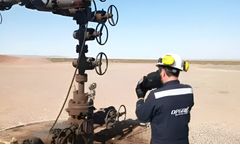
The ability to see gas leaks in real time has revolutionized leak detection. What was once a reactive process relying on handheld sensors and periodic inspections has now become a proactive, visual practice-thanks to the advent of optical gas detectors and imaging cameras. These devices give maintenance teams and safety personnel the power to identify even small leaks before they escalate into ...
ByOPGAL
Optical Gas Imaging (OGI) has become the leading method for detecting fugitive emissions in industrial settings. This guide explores how the technology works, what drives ogi camera price and certification, and why Opgal’s EyeCGas systems are trusted globally for their performance, safety, and ...
ByOPGAL