
Refine by
Furan Articles & Analysis
91 articles found

By converting waste into electricity, waste-to-energy (WTE) plants play a critical role in supporting circular economy and sustainable urban development.However, the incineration process generates complex flue gas streams containing a wide range of pollutants, including:Carbon Monoxide (CO) Nitrogen Oxides (NOx) Sulfur Oxides (SOx) Hydrogen Chloride (HCl) Hydrogen Fluoride (HF) Volatile ...

Unlike conventional incineration, pyrolysis minimizes the generation of toxic gases such as dioxins, furans, and nitrogen oxides. Advanced operational controls, including temperature regulation and gas scrubbing systems, further reduce emissions, ensuring compliance with stringent air quality standards. ...
Unlike open burning or incineration, which releases particulate matter, dioxins, and furans—substances that are harmful to both human health and the environment—the oil sludge pyrolysis plant operates under controlled conditions. ...
Unlike incineration, pyrolysis does not produce harmful emissions such as dioxins, furans, or carbon monoxide, which are common byproducts of combustion. ...
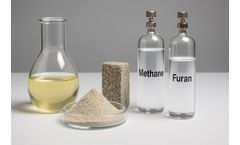
In contrast, 5 minutes of methane co-fed with furan yielded a more complex active state, with MoOxCy-I and a distinct MoOxCy-II species formed, indicating accelerated formation of active Mo centers under co-feeding.The integrated MS results with the NMR data support MoOxCy-II as an active species for MDA over Mo/ZSM-5, highlighting the critical role of furan ...

The corresponding raw materials such as platinum, iridium, rhenium and other heavy metal complexes, carbazole, thiophene, furan and other compounds have been widely used and researched. In the field of optoelectronic applications, due to the development of electro-phosphorescent devices, the quantum efficiency and luminous brightness of the devices have been greatly improved, and ...
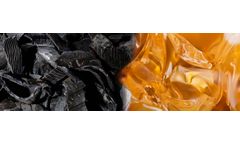
Incinerating tyres releases toxic gases, including dioxins and furans, into the atmosphere, contributing to air pollution. In contrast, pyrolysis operates in a controlled environment, where harmful emissions are minimized through proper filtration systems. ...

The 2024 updates include: • Updated dioxins and furans numbers • More conservative xylene vapour inhalation numbers • Updated hydrocarbon subsoil offsite migration values • Minor edits to values for pyrene, parathion, silver, 1,2-dichlorobenzene, and fluoranthene 2. Why were the dioxins and furans numbers updated? The dioxins and ...
Air Pollution The combustion of plastics releases a myriad of hazardous air pollutants, including dioxins, furans, volatile organic compounds (VOCs), and heavy metals. These pollutants have been linked to respiratory problems, cardiovascular diseases, neurological disorders, and even cancer. ...
The absence of oxygen in the pyrolysis chamber prevents the formation of harmful byproducts such as dioxins and furans, safeguarding air quality and public health. Moreover, the tyre pyrolysis process facilitates the remediation of contaminated sites by converting waste tires into valuable resources. ...

The modified Pseudomonas putida strain achieved a TPA production of 38.25 g/l, with a conversion rate of 99.6%, surpassing the traditional AMOCO process (95%).FDCA for PEFBased on furan aromatic polymers, potential alternatives to PET have been proposed. ...
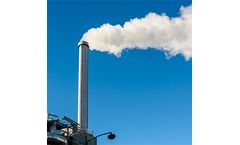
A Long-term Sampling Example An example where long-term sampling is applied can be found in European Union regulations on waste incineration. Dioxins and furans (to be more precise “polychlorinated dibenzo-p-dioxins and -furans, PCDDs/PCDFs”) can result from incineration of plastics and hazardous waste. ...
ByOPSIS AB
The common monoaromatic heterocycles are five-membered Furan, Pyrrole, Thiophene, Pyrazole, Imidazole, Oxazole, etc., and six-membered Pyridine, Pyranone, Pyridazine, Pyrimidine, Triazine, etc. ...

Conventional measurement campaigns supplemented by real-time air quality monitoring using micro-sensors Environmental assessment company BioMonitor is studying airborne contaminants and the atmospheric deposition of particles released into the air by a waste-to-energy (WTE) unit undergoing refurbishment. ...

Every 10% substitution can reduce CO2 emissions by 20 kg per tonne of cement. Dioxins and furans are formed during the combustion of alternative fuels, most have been damaged by high temperature in very small quantities, below the maximum permissible concentrations and even the limits of detection by instruments. ...
Fluorescent whitening agent is a fluorescent dye, and can be classified into several sub-categories, including carbocyclics, triazinylaminostilbene, stilbene-triazoles, benzoxazoles, furans, benzofurans and benzimidazoles, 1,3-diphenyl Base-pyrazoline, coumarin, naphthalimide and others. ...

Can I let you in on a secret? Your current method of measuring dioxins is probably not giving you the whole picture about your dioxin emissions. A typical waste incineration plant will run for about 8000 hours per year. Many waste incineration plants are still using the old method of periodic sampling. With periodic sampling, dioxins are only measured for 6-8 hours at a time. You don’t need ...

Before the flue gas cleaning system, if installed, the flue gases may contain particulate matter, heavy metals, dioxins, furans, sulfur dioxide, and hydrochloric acid. If plants have inadequate flue gas cleaning, these outputs may add a significant pollution component to stack emissions. ...
ByENVEA
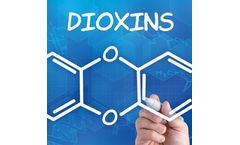
New regulations such as the European “Waste Incineration BAT Conclusions” (read more on that in this blog article) call for long-term sampling of "polychlorinated dibenzo-p-dioxins and -furans" (PCCD/F), but let's call it "dioxin" for simplicity. An isokinetic sample is taken from the duct and dioxin is trapped in an absorbing material. ...
ByOPSIS AB

Abstract Wet electrostatic precipitation technology can be used to control acid mists, sub-micron particulate, mercury, metals and dioxins/furans as the final polishing device within a multi-pollutant air pollution control system. ...