
Refine by
Gas Combustion Articles & Analysis
554 articles found
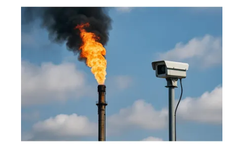
By monitoring infrared wavelengths associated with hydrocarbon absorption and emission, the system can instantly identify unburned gas escaping the combustion zone. Imbalances in steam-to-fuel ratio or crosswinds displacing the flame produce detectable temperature changes and visible hydrocarbon plumes, providing a robust empirical indicator of performance ...
ByOPGAL

Under this amendment, coconut shell charcoal has been explicitly classified as a Class 4.2 hazardous good (substances liable to spontaneous combustion), assigned UN Number UN1361, and designated a Packing Group of at least III. ...
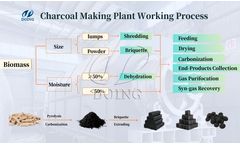
Primary Applications of Biocoal: As an eco-friendly solid fuel, it serves as a direct substitute for traditional coal and is widely utilized in scenarios requiring direct combustion to generate thermal energy, including residential heating, industrial boilers, and biomass power plants. ...
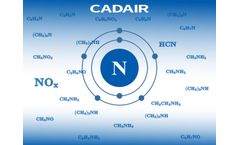
For example, alkaline solution (NaOH) is used to absorb acidic gases (such as HCN and NOₓ), and acid solution is used to absorb alkaline gases (such as NH₃) Applicable Scenarios: Suitable for treating high-concentration, water-soluble nitrogen-containing organic waste gases, or as a pretreatment or post-treatment process: Pretreatment: Removes acidic or alkaline components from waste gases before ...
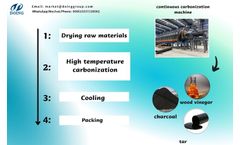
Implications for Equipment Operational Safety and Service Life If excessive steam mixes with the combustible gases and tars generated during the carbonization process, it can easily form acidic condensate as the temperature within the piping system drops. ...

By thermally decomposing waste tyres and plastics in an oxygen-free environment, pyrolysis produces valuable outputs like tyre oil, carbon black, steel, and combustible gas. However, not all pyrolysis systems are created equal. The choice between batch and continuous reactors often determines whether a recycling project achieves scale, efficiency, and ...
A modern waste tyre recycling pyrolysis plant transforms end-of-life tyres into pyrolysis oil, recovered carbon black, combustible gas, and recyclable steel through thermochemical decomposition in oxygen-deficient conditions. ...

A solvent recovery system is an industrial process technology designed to capture and reclaim volatile organic solvents from exhaust gas streams. Instead of destroying these valuable compounds through combustion, a recovery system physically separates the solvents from the air, purifies them, and allows them to be reused directly in the production process. ...

Front-End Optimization of Waste Gas Optimize the waste gas collection pipeline and block air leakage points to avoid dilution of waste gas by external fresh air and increase the inlet VOCs concentration; match zeolite rotor concentration for large-airflow and low-concentration working conditions to raise the inlet concentration, try to make the ...
Advanced operational controls, including temperature regulation and gas scrubbing systems, further reduce emissions, ensuring compliance with stringent air quality standards. The captured combustible gas can be recycled as an energy source, creating a closed-loop system that enhances overall sustainability.Resource Recovery and Energy Efficiency ...
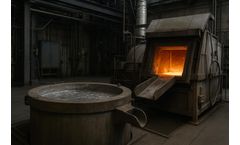
Advantages include lower operating costs in regions with cheap gas, rapid temperature changes, and straightforward maintenance. Natural gas consumption ranges from 25-40 m3 per tonne of refined lead depending on kettle size and insulation quality. Electric refining kettles rely on resistance or induction heating with precise temperature control and zero direct ...
Understanding Continuous Plastic Pyrolysis Technology Continuous plastic pyrolysis is an advanced thermochemical process that converts plastic waste into valuable products such as fuel oil, combustible gas, and carbon residue. Unlike batch pyrolysis systems, continuous pyrolysis plants operate non-stop, allowing plastic materials to be fed into the reactor ...

Two such events annually exceed the capital premium for specialized combustion equipment, excluding the reputational damage from failed delivery commitments. ...
ByMacroad
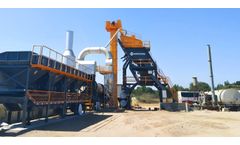
In remote regions with volatile fuel supply chains and tightening emission regulations, advanced combustion technology eliminates operational vulnerabilities that expose contractors to catastrophic shutdowns and regulatory penalties. ...
ByMacroad
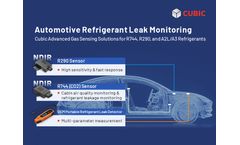
Other than the in-vehicle sensors, Cubic also provides OEM Portable NDIR Refrigerant Gas Leak Detector AM4209 to support efficient service and maintenance operations. ...
These gases, primarily composed of hydrogen, methane, carbon monoxide, and volatile organic compounds, can be harnessed for a wide range of high-value applications beyond simple combustion. Utilization of Combustible Gas in Pyrolysis Systems One of the primary uses of the combustible gas produced by pyrolysis is ...

This significantly reduces harmful gas emissions and the environmental impact of waste. According to relevant statistics, using pyrolysis equipment to treat waste plastics can reduce harmful gas emissions by over 80%. ...
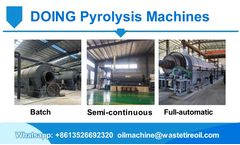
Biochar made from agricultural waste can now be used in a variety of fields, such as improving soil health&fertility, reducing greenhouse gas emissions, storing carbon credit, or as a sustainable fuel source. ...

It has gained immense popularity in various industries, including agriculture, environmental remediation, and energy production, due to its ability to store carbon, improve soil health, and reduce greenhouse gas emissions. The EBC standard focuses on the quality, safety, and environmental impact of biochar. ...
Typical Product Distribution In a standard slow pyrolysis process of wood-based biomass (10% moisture): Biochar: ~30% Syngas: ~66% Water and dust: ~4% Wood vinegar/tar: Often recycled or used as combustible gas 5. Conclusion Optimizing biochar yield requires balancing temperature, feedstock characteristics, and moisture content. ...