
Gas Detector Calibration Articles & Analysis
17 articles found

Gas analyzers and sensors with detection limits at parts-per-million (PPM) and billion (PPB) concentrations require precise calibration to ensure reliable measurements. Low-concentration mixtures are preferable for this task. They not only prioritize safety—particularly with flammable or toxic gases—but also mimic real-world scenarios. However, pre-mixed gas cylinders fall short of ...

However, most detectors require regular inspection and calibration to maintain their accuracy and effectiveness.The first step in gas detector maintenance is to follow the manufacturer's recommendations and establish a regular maintenance schedule. ...
ByJXCT

1. Take you understand multi gas detector A multi gas sensor detects a specific gas and measures whether the gas is present near the sensor, or its content in the air. ...
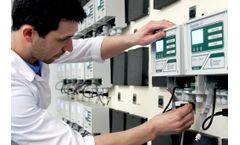
What Is ‘Calibration’?Gas detector calibration is vital for ensuring the safety and efficacy of gas detectors.Calibration ensures that the actual measured value of a detector is correct against a known measurement, or a standard.Why Do We Need To Calibrate Gas ...
Gas mixers are not a novel option for gas chromatography calibration, but they are more cost-effective than gas cylinders and becoming a more favorable option. Not only are pure gases cheaper to purchase than pre-mixed gases, but they offer numerous benefits that result in reduced costs and increased profitability. This blog post will look at why gas mixers are a more cost-effective solution ...
Photoionization detectors (PIDs) are crucial equipment for those working with gas and oil as they help to measure a range of gases, including volatile organic compounds (VOCs). Because of how frequently PIDs are used and the importance of their accountability and reliability, PID calibration for the oil and gas industries need to ...
Keeping your gas equipment properly calibrated is the only way to ensure they’re performing at their best – making gas calibration equipment essential. This article explains why you should be using gas calibration equipment and how often you should be calibrating your ...
The preparation of accurate calibration gas standards depends on the precise regulation of gas flows by devices known as mass flow controllers (MFCs). Ensuring MFCs are performing accurately requires careful evaluation of each process mass flow’s gas conversion factors (known as K-factors or GCF). Here, we take a look at why gas conversion factors are important, and explain how to calculate ...

Optical Gas Imaging Camera Calibration and Maintenance Over the next few months, we will discuss aspects of the EPA’s proposed Appendix K and the advantages of Optical Gas Imaging (OGI) to Oil and Gas producers. ...
ByOPGAL
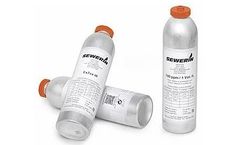
Test gases are used to calibrate SEWERIN's gas leak detectors. Like aerosols or spray tins of paint, they are categorised as a pressurised gas packaging according to UN 1950. ...
It is particularly important to calibrate detector gas flows as inaccurate flow rates can make it difficult to ignite flame ionization detectors (FID). 4. Run Dilutions After your precise gas calibration parameters have been established, you can start running dilutions of the compound/s of ...
A frequently used application of gas dilution is in the calibration of gas detectors, analyzers and sensors. If gas dilution equipment is not to the correct specifications, the end product can be negatively impacted. Often, it is necessary to have a level of understanding of each element of a gas ...

Where on the ceiling should the ammonia gas detector be located? How many ammonia gas detectors are required? What is a bump test and why should they be done? How often should an ammonia gas detector be bump tested? What is calibration and why should it be done? How often should ...

Even in this low rangerange, they will operate false alarm free free of false alarms even in the corrosive atmosphere of a paper mill.in the corrosive environment of a paper mill. Calibration Having good sensor technology on hand, now another problem has surfaced is one thing; ease of use and calibration is another.: Since ClO2 span gas is not ...
Calibration frequency is one of the most commonly asked questions concerning the use of gas detection instruments. Common factors to consider when deciding how frequently to calibrate are: type of sensor, type of gas detector (fixed vs. portable), the required use and accuracy of the detector, ...

Point-type gas detectors Point-type gas detectors can be fitted with either combustible or toxic gas sensors. ...
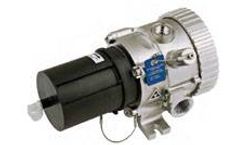
Point gas detectors: Either combustible or toxic gas sensors can be fitted into point-type gas detectors. ...