
Refine by
Gas Emissions Control Articles & Analysis
169 articles found

Alongside this growth, environmental compliance and VOC emission control have become increasingly important for battery manufacturers seeking sustainable production.Processes such as electrode coating, drying, electrolyte filling, and solvent recovery can generate volatile organic compounds (VOCs), NMP tail gas, and electrolyte-related ...

For unpackaged products, a mandatory weathering period of 14 days is required prior to packing; alternatively, packing may be conducted within an inert gas environment. In all instances, the product temperature at the time of packing must not exceed 40°C. 2. ...

Their mission to help feed the world while achieving net-zero carbon emissions by 2040 underscores the importance of integrating renewable energy solutions, such as solar, to reduce greenhouse gas emissions and control energy ...
ByCatalyze

In order to pressurize and burn the landfill gas collected from the rehabilitated area within the scope of the project, a flare with a capacity of 150 Nm3/h was installed and commissioned. Product: Flares Capacity: 150 Nm3/h Customer: Göksin Insaat A.S. Year: 2021 Location: Kastamonu ...
For the Ravda rehabilitation project, a flare with a capacity of 250 Nm3/h was installed and commissioned. Product: Flares Capacity: 250 Nm3/h Customer: ProStream Technik Year: 2020 Location: Ravda/Bulgaria ...

Introduction: Regulations Driving Innovation Methane (CH4) is a greenhouse gas with a global warming potential over 80 times stronger than CO2 over a 20-year horizon. For oil and gas operators, controlling fugitive methane emissions is no longer optional – it is a regulatory and reputational necessity. ...
ByOPGAL

Biochar’s stability in the soil also enhances its long-term carbon storage potential. 2. Reduction in Greenhouse Gas Emissions Traditional waste disposal methods, such as open burning or landfilling, often release harmful gases, including methane and carbon dioxide, into the atmosphere. Biomass pyrolysis minimizes these emissions by ...
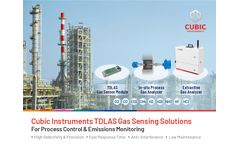
In the realm of gas analysis, Tunable Diode Laser Absorption Spectroscopy (TDLAS) technology stands as a cornerstone innovation, distinguished by its exceptional precision, sensitivity, and reliability. At its core, TDLAS technology harnesses the unique properties of semiconductor lasers - specifically their narrow linewidth and tunability - to perform highly selective molecular gas analysis. The ...
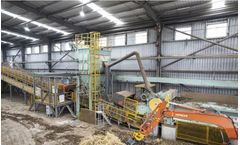
1. The "Five Utilization” of Agricultural and Forestry Wastes The "five" utilization of agricultural and forestry wastes is fertilizer, feed, fuel/energy, base material, and raw material. Among them, fertilizer and fuel/energy utilization have the highest emission reductions, accounting for 92.7% of the total emission reductions. Among them, although fuel/energy utilization accounts for ...
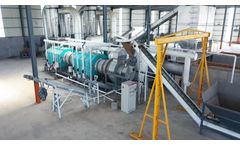
Pyrolysis, being the most common method, involves heating organic materials in an oxygen-limited environment, requiring a precisely controlled system to achieve optimal temperatures and residence times. Equipment designed for pyrolysis typically includes more sophisticated systems for heat management and emissions control. ...

It helps manage pollution, conserve natural resources, and reduce greenhouse gas emissions, contributing to a more sustainable future. 2. What are the key environmental compliance achievements in the United States? ...

Unlike combustion, which releases pollutants into the atmosphere, pyrolysis is controlled, reducing harmful emissions and offering a cleaner pathway to energy production. ...
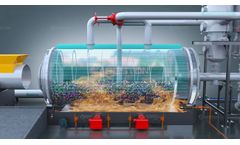
This uniform heating prevents localized overheating, which could lead to the production of undesirable byproducts such as excessive char or gas. Instead, the controlled thermal environment enables the reactor to produce higher-quality liquid oils, gases, and charcoal, with better consistency. ...
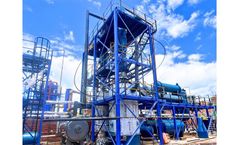
Fast heating efficiency: double heating system to support heat for distillation reactor, multiple stages of professional oil gas cooling system to guarantee the conversation rate of turning waste engine oil into diesel fuel, achieving the effective waste engine oil distillation and processing. 2. ...
Plastic pyrolysis to oil represents a sophisticated chemical process wherein plastic waste is subjected to high temperatures in the absence of oxygen, leading to thermal decomposition. Through this intricate procedure, various types of plastics are broken down into their constituent components, predominantly yielding liquid hydrocarbons known as pyrolysis oil. This pyrolysis oil, a versatile ...

Introduction:India’s quest for cleaner energy sources to meet escalating demand while mitigating environmental impact spotlights natural gas as a promising alternative, particularly for household cooking. This transition necessitates robust emission reduction programs imposed on industries. Additionally, the integration of Optical Gas Imaging (OGI) emerges as a valuable technology to ...
ByOPGAL

Continuous emission monitoring is vital for industries to adhere to environmental regulations and mitigate the impact of pollutants on public health and the environment. Optical Gas Imaging (OGI) has emerged as a potent tool in this regard, offering real-time detection and visualization of gas leaks. However, ensuring reliability and minimizing false alarms remains a challenge. In this article, ...
ByOPGAL
Operational Principles The operational principles of small pyrolysis machine revolves around controlled heating and thermal decomposition of feedstock materials. In a batch workflow, a predefined quantity of feedstock is loaded into the pyrolysis chamber, where it undergoes heating in the absence of oxygen. ...
In the realm of sustainable technology, the biochar making machine emerges as a beacon of innovation. This article conducts a comprehensive profitability analysis of this groundbreaking equipment, shedding light on its market prospect and potential for generating carbon credit. Understanding the Biochar Making Machine The biochar making machine represents a sophisticated apparatus designed to ...
Carbonization: The prepared wood chips are subjected to a controlled pyrolysis process in a wood to charcoal machine, where they undergo thermal decomposition in the absence of oxygen. ...