
Gas Leak Detection Camera Articles & Analysis
8 articles found
Using gas cameras and leak detection cameras to protect workers, prevent accidents, and strengthen regulatory compliance Introduction: Safety at the Frontline of Industrial Operations High-risk industrial zones – including refineries, petrochemical plants, offshore platforms, power generation facilities, ...
ByOPGAL

Introduction: The Evolving Landscape of Methane Regulation Methane has long been a focal point in global climate policy — and in 2025, the U.S. Environmental Protection Agency (EPA) continues to sharpen its focus through updates to its Greenhouse Gas Reporting Program (GHGRP). One of the most significant developments is the Subpart W Proposed Rule, which updates the framework for reporting ...
ByOPGAL
Introduction: What Is an OGI Camera? Optical Gas Imaging (OGI) has transformed how industries detect and manage gas leaks. A camera OGI makes the invisible visible by capturing emissions such as methane, VOCs, and refrigerants that cannot be detected by the naked eye. ...
ByOPGAL
Gas leaks pose critical risks to safety, productivity, and environmental compliance. This article explores how advanced gas leak detection cameras using optical gas imaging (OGI) can prevent downtime and disasters. From real-time visualization to regulatory benefits, we explain ...
ByOPGAL
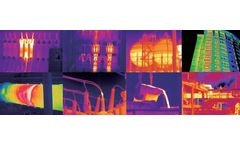
Rugged design: well-designed and certified to IP66, and can withstand high humidity up to 95% · V-3 Gas Leak Detecting Thermal Imaging Camera The cooled detector is for gas detecting, which can be used in various scenarios such as petrochemical plant,oil & gas ...
This technique uses passive infrared imaging to make normally invisible gas plumes visible to the camera operator. The EyeCGas OGI camera has a minimum detectable leak rate for Hexane of approximately 0.3 grams/hour (1 gallon/year liquid Hexane). ...
ByOPGAL
This technique uses passive infrared imaging to make normally invisible gas plumes visible to the camera operator. The EyeCGas OGI camera has a minimum detectable leak rate for Hexane of approximately 0.3 grams/hour (1 gallon/year liquid Hexane). ...
ByOPGAL
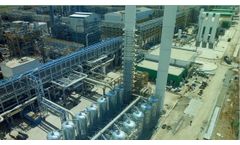
It is common to describe this industry based on the product flow, from “Upstream” exploration and extraction location toward a “Downstream” flow, which end up at the end user home or business. Throughout the Oil and Gas industry, leaks are a real concern. Unlike any other leak detection technology, ...
ByOPGAL