
Refine by
Gas Odorization Articles & Analysis
112 articles found

With intertwined and superimposed gas streams, the operating conditions are highly complex, presenting four major treatment difficulties:Complex composition with strong odor The waste gas contains pollutants such as benzene series, sulfides and non-methane total hydrocarbons (NMHC). With the superimposition of VOCs and malodorous substances, ...
Here are some of the key benefits: Health and Safety: H2S is a highly toxic gas with a characteristic rotten egg odor. Exposure to even low concentrations can cause respiratory issues, eye irritation, headaches, and nausea. By removing H2S from lift stations, the risk of exposure to this harmful gas is minimized, safeguarding the health and ...
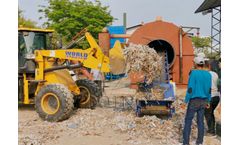
Environmental and Safety Considerations: Ensure that the pyrolysis vessel is equipped with appropriate environmental protection systems, such as smoke cleaning, tail gas cleaning, odor removal, and water circulation systems, to minimize environmental impact. ...
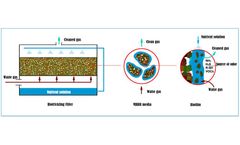
Biotrickling odor removal is a highly efficient and economical exhaust gas treatment technology suitable for treating low-concentration and large-volume organic exhaust gases, especially malodorous gases. ...
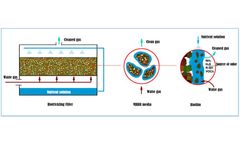
Biotrickling odor removal is a highly efficient and economical exhaust gas treatment technology suitable for treating low-concentration and large-volume organic exhaust gases, especially malodorous gases. ...

SO2 is a colorless gas with a strong irritating odor. It is produced primarily through the combustion of fossil fuels such as coal, oil, and natural gas. ...
ByJXCT

Manure dewatering machines can address this issue by separating and treating the liquid component, which reduces the potential for gas emissions. Additionally, the solid byproduct can be more easily stored and managed, further minimizing greenhouse gas emissions. By adopting these technologies, farmers can make a positive contribution to global efforts to combat ...

This heating process initiates the pyrolysis reaction within the reactor.Step 3: Separation of By-ProductsOnce the temperature reaches approximately 100°C (with the optimal output rate interval being 250-280°C), the oil gas starts to emit from the reactor. The manifold separates the heavy oil gas, which then liquefies and falls into a designated tank. ...
This process results in several valuable end products, including fuel oil, uncondensable gas, coal tar, and insulated wire. Each of these products has a unique composition due to variations in pyrolysis techniques.The tyre pyrolysis process offers a sustainable approach to recycling waste tyres into usable energy without causing secondary pollution to the environment. Modern tyre ...

Geomembrane Covers for Landfills: Besides lining, geomembranes are also used as covers or caps to contain odors, reduce gas emissions, and control moisture infiltration. Pond Liners: Geomembranes are used as liners for various types of ponds, such as wastewater treatment ponds, decorative ponds, and agricultural ponds. ...
The non-condensable gas is desulfurized and dedusted before being used to heat the pyrolysis reactor for recycling.Cooling: Once the fuel oil production is complete, the reactor is cooled. As the temperature drops, carbon black is expelled automatically.Steel Wool Removal: For waste tires, the ensuing step involves removing steel wires from the reactor using hooks once the ...
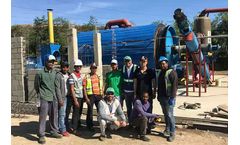
Step 3: Separation in the By-Products If the temperature reaches 100°C (the very best output rate interval is 250-280°C), the oil gas will likely be emitted. The heavy oil gas separated from the manifold should certainly liquefy and fall into the heavy oil tank. The lighter gas will likely then rise to the oil condensers, where it will ...
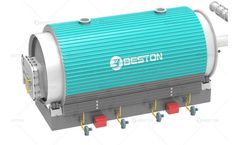
Step 3: Separation of the By-Products Once the temperature reaches 100°C (the most notable output rate interval is 250-280°C), the oil gas will likely be emitted. The heavy oil gas separated with the manifold should certainly liquefy and fall directly into the heavy oil tank. The lighter gas will likely rise towards the oil condensers, ...
Besides, the new type of tyre to oil plant is perhaps all designed with smoke cleaning systems, bad odor elimination systems, and water circulation systems. This ensures that neither the atmosphere nor the liquid is polluted.Seven Steps in the Pyrolysis Process1. ...

Microorganisms in biofilms use inorganic and organic substances in waste gas as carbon sources and energy sources, and maintain odor by degrading odorous substances. It is an environmental protection equipment that decomposes odorous substances into odorless substances such as carbon dioxide, water, and minerals, and achieves the ...
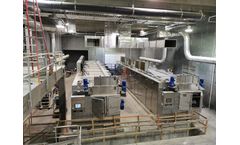
The higher indoor temperature intensifies the emission of odor pollutants, leading to the increase of odor concentration.The content of organic matter in the sludge is high. Anaerobic fermentation reaction is easy to occur during storage and transportation, which generates high concentration odor such as ammonia and hydrogen sulfide. Moreover, ...

Summary: Sulfur dioxide (SO2) is a colorless transparent gas, is a toxic gas with a pungent odor. Can accelerate the corrosion process of most metals. ...
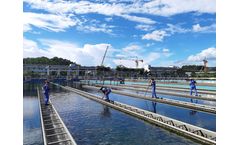
Over time, the deposited dust becomes a source of odor pollution and continuously emits odor. Sludge drying basically adopts high temperature (higher than 150 ℃) heating or low temperature vacuum drying. ...
Summary: Sulfur dioxide (SO2) is a colorless transparent gas, is a toxic gas with a pungent odor. Can accelerate the corrosion process of most metals. ...

Well, how to remove the odor and color from pyrolysis oil? There are two kinds of design for decolorization and deodorization: one is to use liquid catalyst; the other is to use solid catalysts. 1. ...