
Gastric Acidity Articles & Analysis
9 articles found

The reasons include: 1) Protein is easy to denature in acidic gastric juice; 2) Protein is easily degraded by a large number of hydrolytic enzymes in the gastrointestinal tract; 3) Protein is large and polar, so it is not easily absorbed by gastrointestinal epithelial cells through diffusion. ...

Nitrite reacts with secondary amines, tertiary amines, amides, etc. in food in a gastric acid environment to form strong carcinogens. Therefore, the determination of nitrite content is very important. ...

Function of maintaining intestinal microecological balance HMOs are not destroyed by gastric acid and decomposed by digestive enzymes in the human body, can directly reach the large intestine, stimulate the growth of beneficial flora (bifidobacteria and lactobacilli) in the intestine, indirectly inhibit the growth of harmful bacteria, and maintain the ...

It breaks down lactose into lactic acid and relieves lactose intolerance. Bifidobacterium and Lactobacillus can not only produce various vitamins such as vitamin B1, B2, B6, B12, niacin and folic acid for the body's needs, but also ensure the supply of vitamins by inhibiting certain vitamin-decomposing bacteria. ...

Imran explains that RaniPill is protected by a polymer coating that prevents disintegration by highly acidic gastric acid in the stomach. After passing through the stomach and arriving in the small intestine, the coating and capsule begin to break down in response to the more alkaline intestinal fluid. ...
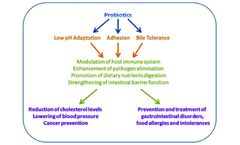
Probiotics, in simple terms, are a group of microorganisms that can effectively promote human health. They can resist gastric acid and bile acid, and can attach and colonize in the intestinal tract. ...

Another approach is to structurally modify natural products to obtain compounds that are more effective, such as salicylic acid to aspirin, morphine to methadone. According to statistics, about 60% of the drugs in clinical practice are obtained based on the above strategy. ...

We selected the L. crispatusSNUV220 and L. fermentumSNUV175 strains for further analysis based on their anti-Candidagrowth activity and probiotic characteristics, such as resistance to gastric acidity, bile acid resistance and anti-microbial activity. We hypothesised that vaginal Lactobacillusstrains secrete pH-independent antifungal compounds ...
However, several investigators suggest lysergic acid may be involved as well. Therefore, the purpose of this study was to (i) determine the metabolic fate of ergot alkaloids in ruminants, (ii) investigate gastric transport, and (iii) validate these findings in vivo. ...