
Refine by
General Incinerator Articles & Analysis
88 articles found

llenges of Flue Gas Treatment in Waste-to-Energy Facilities Municipal Solid Waste (MSW) incineration with power generation is one of the most effective methods for waste reduction, resource recovery, and environmentally sound disposal. By converting waste into electricity, waste-to-energy (WTE) plants play a critical role in supporting circular economy and ...

Traditional disposal methods, including landfilling and open incineration, contribute to soil degradation, water contamination, and the emission of hazardous gases. ...

Compared to other treatment options such as incineration and power generation, it typically offers lower initial investment and operating costs and can handle nearly all types of municipal ...

In highly regulated sectors like power generation, petrochemicals, cement production, and waste incineration, even a fraction of error can lead to costly violations. ...
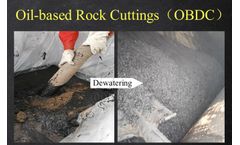
Direct combustion Some types of oil sludge, especially those with a high organic matter content, can be dried and then directly burned in special boilers or incinerators. The heat released during the combustion process can be used to generate steam, which in turn can be used for power generation or heating. For example, in some sewage treatment ...

Size and Shape: Standard bricks are generally more affordable, while custom sizes and shapes may incur additional costs. ...
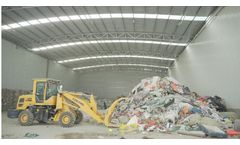
This project occupies an area of 32 acres and has a total investment of 80 million yuan. It is capable of processing an average of 100 tons of bulky waste and 800 tons of C&D waste per day, with an annual disposal capacity of 300,000 tons. It adopts "environmental protection + waste sorting + recycling resources" as its core and has pioneered the national sorting center and the integration of ...
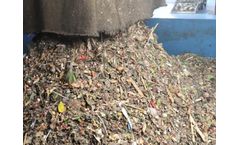
The analysis results show that: In a scenario where landfilling is the main part and biogas is partially recycled for power generation, the emission equivalent is 0.61 ton CO2/ton of garbage; In the scenario of mainly incineration and landfilling of ash and slag, the emission equivalent is -0.12 ton CO2/ton of garbage. Compared with landfill disposal, waste ...

One viable solution uses a thermal treatment process to burn waste and generate energy. While incineration can reduce landfill waste and create energy, it is important to understand how the waste incineration process works and which steps are needed to run it in a safe and environmentally conscientious fashion. ...
ByB&W Tek
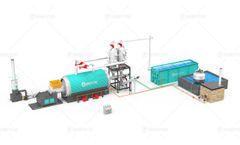
Reduction of Greenhouse Gas Emissions: Compared to conventional waste disposal methods such as incineration, plastic pyrolysis generates lower levels of greenhouse gases. ...
However, the combustion of plastics releases a cocktail of toxic gases and pollutants into the atmosphere, posing grave consequences for air quality and public health. The Environmental Impact 1. Generation of Greenhouse Gases Plastic incineration is a major contributor to greenhouse gas emissions, exacerbating climate change and global warming. ...
When the mill in 2002 built a new biomass boiler they saw several objectives; e.g reducing oil consumption and increased power generation. Equally important was to improve the possibilities to incinerate the sludge generated in the paper recycling process and to supply district heat to the municipality. ...
The industrial sector is constantly seeking innovative and sustainable solutions to reduce waste generation, minimize environmental impact, and optimize resource efficiency. ...
Pyrolysis Gas: This gas, often called syngas, can be used as a fuel source or for electricity generation. Pyrolysis Oil: Also known as bio-oil, it can be further processed into biofuels. ...
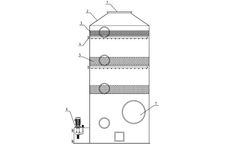
Various technologies and methods are employed in flue gas treatment, depending on the specific pollutants to be removed. General overview of the flue gas treatment process: Particulate Matter Removal: Particulate matter consists of tiny solid or liquid particles suspended in the flue gas. ...
These materials can endure the extreme heat generated during waste incineration processes.2. Chemical Resistance: Waste incineration involves the combustion of various waste materials, including hazardous substances. This process generates corrosive gases and chemical by-products that can attack refractory materials. ...

Easy to install and operate.The kitchen waste crushing and dehydrating all-in-one machine can be used for waste incineration power generation applications such as kitchen waste treatment, organic waste treatment and refuse derived fuel (RDF) treatment, waste incineration green applications such as biodegradable organic waste composting, and ...
You can read more details here. Incineration Incineration or direct combustion or is another technology available for waste treatment. Direct combustion or incineration generates energy in the form of heat. This energy is reusable, and can be used to produce electricity, steam or hot water. ...
ByTECAM

Regional forestry industries provide us with our raw material, in the form of residual sawdust or wood chips, from which we produce the biochar. Tons of waste, typically incinerated to generate energy, landfilled or left behind to decompose, re-releases the CO2 sequestered by trees during their lifetime back into the atmosphere. ...
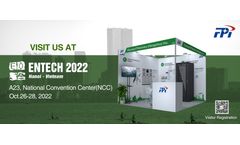
Take the Cooperation with URENCO as an Example URENCO is Vietnam’s largest and most seminal state-run waste incineration plant while a member of the Vietnam Urban Environment and Industrial Zone Association (VUREIA), which is the brain trust of the Vietnam government to settle environmental protection legislation and regulations. ...