
Refine by
Geographic Information System Articles & Analysis
280 articles found
In the field of underground infrastructure inspection, technological advancements play a crucial role in ensuring accuracy, speed, and safety of operations. In this context, RinnoVision has established itself as a key reference thanks to its manhole inspection cameras. Designed to meet the specific needs of municipalities, utility companies, and construction contractors, the RV-MAX 360 and RV-PRO ...
Flood monitoring is a crucial part of civil protection and urban planning. As extreme weather events become more frequent, it is more important than ever that municipalities, engineering offices and emergency services such as fire departments and disaster control are well informed and prepared. In this blog post, we answer frequently asked questions about flood monitoring to give you a ...
NetCDF stands for Network Common Data Form and is a binary file format for storing scientific data, commonly used in meteorology, climatology, and Geographic Information System (GIS) applications. It was developed by the University Corporation for Atmospheric Research (UCAR) in 1988. A netCDF file is self-describing as it always includes a ...
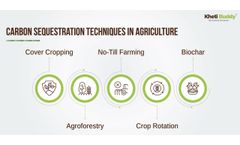
While farming activities have traditionally been associated with greenhouse gas emissions, innovative practices can turn agriculture into a significant carbon sink. This transformation hinges on effective carbon sequestration techniques, which capture and store atmospheric carbon dioxide in soils and plants. Implementing these methods is crucial in our fight against climate change. However, the ...

Precise Agricultural ManagementBy combining the Smart Electricity Meter with geographic information systems (GIS) and global positioning system (GPS), farmers can achieve precise agricultural management. ...
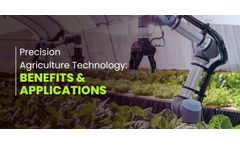
Precision agriculture (PA) is the use of advanced technologies to optimize field-level management. By leveraging data analytics, GPS, IoT, and various sensors, precision agriculture enables agronomists to make informed decisions, thereby enhancing crop yield and resource efficiency. This modern approach contrasts with traditional farming methods by emphasizing precision in monitoring, managing, ...
One of India’s leading crop protection companies has harnessed the power of remote sensing technology to enhance its interactions with farmers. By offering valuable insights into crop management, covering aspects such as nutrition, irrigation, and pest and disease control. The company has improved the efficacy of crop protection strategies and strengthened its relationships with the farming ...
Other new trends which are set to take root in the agricultural irrigation sector in 2024 include better water governance, the implementation of geographic information systems, remote sensing targeted at soil moisture, and improved energy ...
ByIdrica
These trends include the implementation of digital twins for holistic overviews and advanced simulation, the adoption of Advanced Metering Infrastructure (AMI) for accurate consumption monitoring, the pivotal role of Geographic Information Systems (GIS) in strategic decision-making based on spatial data and, last but not least, leak detection ...
ByIdrica

Realtime offshore oil field monitoring for detection, verification, and classification of oil types brings the industry from a reactive to proactive behavior. Early warning, day or night, with exact levels of hydrocarbon in the sea. No more false positives / alarms from OSD radars; no more waiting for satellite. No more water sampling that needs to be sent to the lab. Ocean Visuals has been ...
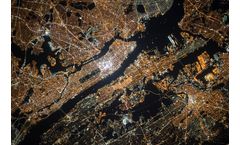
RESEPI LiDAR's ability to detect and classify obstacles in real time allows for advanced collision avoidance systems. By providing vehicles with accurate information about their surroundings, RESEPI LiDAR can help prevent accidents and reduce the severity of collisions. ...

The current global water situation requires a major shift in strategy. In fact, the water crisis is already regarded by the World Economic Forum as one of the main threats to the planet. Drought, migratory movements, population growth, and inefficient water management are some of the drivers behind a major issue that directly affects the population’s water security. Against this backdrop, ...
ByIdrica
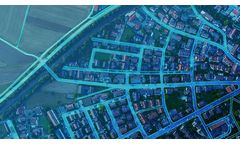
Digital transformation plays a major role in solving these issues. Geographic Information Systems (GIS), in particular, have proven to be an excellent resource to tackle this problem, which is exacerbated by climate change and increasing water scarcity. GIS are an essential information-gathering tool for effective water-cycle ...
ByIdrica
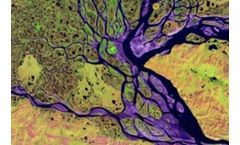
Typically, this can involve a range of geospatial technologies such as satellites, drones, and light detection ranging (LiDAR), combined with Geographical Information System (GIS) software. These technologies enable information about specific ecosystems to be captured far quicker, over much wider areas, and with far greater ...
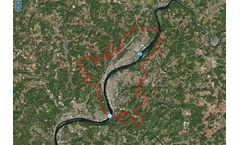
West Virginia American water gains efficiency during emergency response case with centralized data and planning. Solution Highlights WaterSuite enabled American Water to: Quickly access data related to the crash site Identify potential routes where any spilled fuel could possibly enter Mark sample locations in real-time within the platform Retrieve chemical information related to jet fuel ...
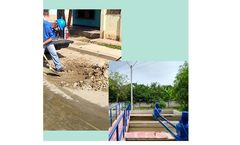
Implementation of the updated, classified database through the application of Geographical Information Systems (GIS). Asset classification according to diameter and material. ...
ByIdrica
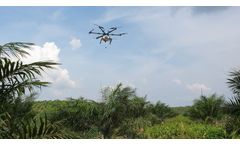
These sensors gather photographs and offer core competencies for manipulating, analyzing, and visualizing those pictures. Meanwhile, GIS (Geographic Information System) is a computer-based tool for mapping and monitoring highlight activities on earth. ...
Objectives Time frame 1999 Development of an internal server for the support of the International Commission for the Protection of the Danube River (Delegates, Permanent Secretariat, Members of Expert Groups) Implementation of the technical and organisational facilities for training and support of users Implementation of an interdisciplinary database about measures for water supply, waste ...
As part of Water Saving Week, Waterwise asked Liz D’Arcy, one of MOSL’s Portfolio Managers (PfMs) and workstream lead for the newly formed Retailer Wholesaler Group (RWG) Water Efficiency Sub-Group, to reflect on how insight gained from the non-household (NHH) retail water market can be used to drive water efficiency improvements across the sector. As a geographer, ...
Digital records of the farm Digitally collected and stored information makes historical learning easy so you can keep improving your efficiency and protecting your investment dollars. ...