
Refine by
Geogrid Articles & Analysis
156 articles found
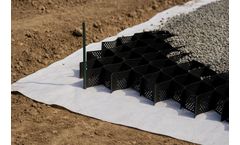
How high can you go with a GEOWEB Earth Retention Wall? For geogrid-reinforced earth retention walls, there is effectively no height limit, provided there is adequate space for proper tieback reinforcement. ...
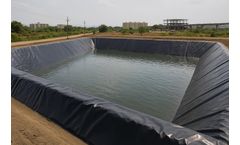
Studies indicate that lined water systems can reduce seepage losses by up to 60% compared with unlined systems.Note: FAO reports that lined water systems can reduce seepage losses by up to 60% versus unlined systems.Integration of Geosynthetics in Urban InfrastructureTownship projects increasingly rely on multi-functional geosynthetic systems to address complex engineering challenges.Soil ...
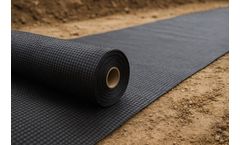
For exposed or semi-exposed environments (such as coastal areas or slopes), suppliers should incorporate ultraviolet stabilizers or clearly specify the product’s aging resistance rating in the documentation.In demanding sectors such as railways, highways, dams, land reclamation, and environmental engineering, EarthShield provides high-quality Filament Woven Geotextiles and wholesale procurement ...
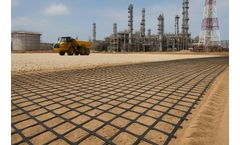
Geogrid deployment: Ocean Biaxial Geogrid 30 kN rolled out with minimum 300 mm overlap at panel joints; orientation ensured equal load sharing in both directions. ...
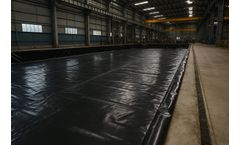
Soil stabilization and load distribution: geotextiles and geogrids improve bearing capacity and reduce settlement under heavy industrial loads Pavement reinforcement: industrial traffic areas benefit from geosynthetics that reduce rutting and fatigue damage, extending pavement life Drainage and filtration systems: geocomposites enable efficient liquid flow management, preventing ...
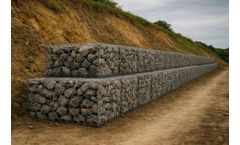
Integration with Geosynthetics in Infrastructure Gabion systems are frequently integrated with complementary geosynthetics to enhance performance in complex projects: Geotextiles: separation and filtration behind gabion walls to prevent soil migration while allowing water flow Geogrids: reinforcement to improve load distribution and slope stability Geomembranes: barrier systems ...
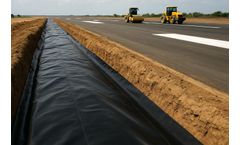
Role of Geosynthetics in Airfield and Infrastructure Systems Modern airfield engineering relies on geosynthetics such as geomembranes, geotextiles, geogrids, and geocomposites to optimize performance and durability. Key applications include: Pavement reinforcement: Geogrids and geotextiles improve load distribution, reduce rutting, and enhance fatigue ...
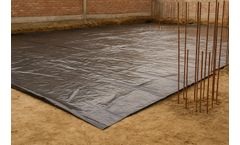
Geosynthetics in broader infrastructure context Geosynthetics, including geomembranes, geotextiles, geocomposites, and geogrids, have become foundational elements in modern civil engineering. ...
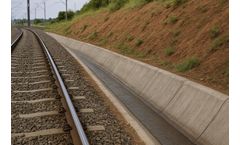
Typical applications include:Pavement reinforcement with geogrids to distribute loads and reduce deformation under dense rail trafficSoil stabilizationGeotextiles to separate weak soil layers from aggregatesErosion control mats to protect slopes from rainfall induced erosionDrainage management via geocomposites beneath track structuresEnvironmental protection with geomembranes to ...
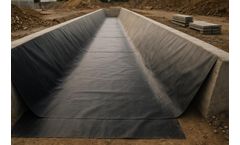
The dual-layer approach of HDPE liner plus composite mat enhances performance against seepage and subgrade moisture intrusion.Broader geosynthetics in infrastructurePavement reinforcement: geogrids and geotextiles beneath concrete pavements distribute loads and reduce cracking, with evidence suggesting pavement life extension of 20–40% when properly designed and installed.Soil ...

Geosynthetics, particularly geotextiles and geogrids, have become integral to modern infrastructure development due to their ability to enhance soil performance, improve load distribution, and extend the service life of pavements and foundations. ...

Product supplied and used: Ocean Uniaxial Geogrid 40 kN. Quantity: 5,000 SQM. Client sector: Public road infrastructure (urban and peri-urban connectivity). Geogrid Function in Modern Road Construction Uniaxial geogrids provide tensile reinforcement in one principal direction to increase load-bearing capacity of weak subgrades, reduce lateral ...
Project Overview Project Name: Road Project Location: Guwahati, Assam Product Supplied and Used: Ocean Uniaxial Geogrid 40 kN Quantity: 5,000 SQM Client Sector: Public road infrastructure (urban and peri-urban connectivity) Guwahati is the primary gateway to Northeast India and a critical logistics and mobility hub for Assam and surrounding states. ...

For this project, we supplied and supported the installation of Ocean Biaxial Geogrid – 30 kN, covering a total application area of 29,000 square meters. ...
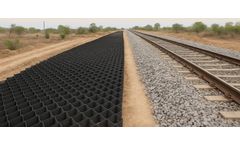
Project Overview The NWR (North Western Railway) Doubling Project, KTWS–NNL is a significant infrastructural development under Indian Railways, aimed at enhancing rail connectivity and optimizing logistics between Kathuwas (KTWS) and Narnaul (NNL) in Mahendragarh, Haryana. The project focuses on doubling the existing track to improve line capacity, reduce delays, and ensure better safety ...
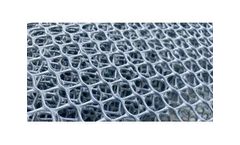
That’s why geosynthetics, especially biaxial geogrids, are becoming the material of choice for railway engineers and project ...

A stable infrastructure is key in a modern construction project. Unfortunately, shifting sand and soil can quickly cause damage to roads, buildings, and other structures. That's why soil stabilization is an important aspect of any construction project. As our cities and towns expand, selecting the best soil stabilization products becomes even more crucial to ensure long-term stability and ...
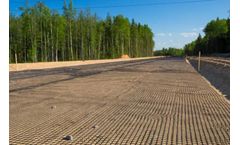
To tackle this issue in a recent infrastructure development project in Zirakpur, Punjab, our team at Ocean Non Wovens supplied and installed 2,863 square meters of PP Biaxial Geogrid – 30 kN, which significantly strengthened the subgrade, enhanced load distribution, and minimized surface distress. This case study dives deep into the role of geosynthetics in road ...
Project Location: Pilibhit, Uttar Pradesh Product Used: Ocean HDPE Liner – 1000 Micron Quantity: 13,200 SQM Application: Slope Protection Introduction: Why Slope Protection Matters In areas with undulating terrain or significant elevation differences, slope protection plays a critical role in preventing soil erosion, landslides, and surface instability. These challenges are particularly ...
Project Overview In the heart of Gadchiroli, Maharashtra—a district known for its dense forests and challenging terrain—an ambitious railway infrastructure project took shape to improve connectivity in the region. As part of this critical development, Ocean Non Wovens played a pivotal role by supplying and implementing 10,000 square meters of Ocean Geocomposite 700 GSM to address the ...