
Refine by
Geomembrane Protection Articles & Analysis
76 articles found
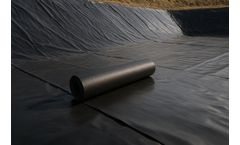
Heap leach pads place ore atop a geomembrane and apply chemical reagents; the geomembrane ensures collection of the metal-bearing solution and prevents leaching into underlying soil. Recommended thickness: 1.5–2.5 mm HDPE/LLDPE.Industrial Wastewater and Chemical StorageSettling and equalization ponds store wastewater with strong acids, bases, or oils, requiring ...
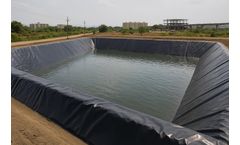
Urban township projects require integrated water management, subsurface protection and long-term durability to support residential, commercial, and utility networks. In the TATA Township Project in Khopoli, Maharashtra, Ocean HDPE Liner (1 mm) was deployed as a geomembrane barrier to support water containment, drainage control, and subgrade ...
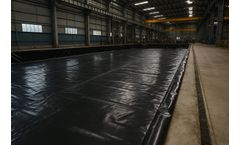
In this project, Ocean HDPE Liner – 300 Micron was deployed as a geomembrane containment and protection system to create an impermeable barrier between operations and the subgrade, enabling leak prevention, moisture isolation, and long-term environmental protection within the facility. ...
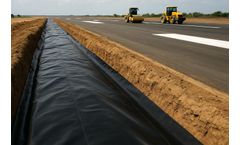
The HDPE geomembrane serves as a critical barrier and protection layer in airfield infrastructure due to its low permeability, high tensile strength, chemical resistance, and durability. ...
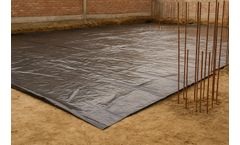
In modern construction, subgrade protection, moisture control, and soil interaction management determine the durability and service life of structures. ...
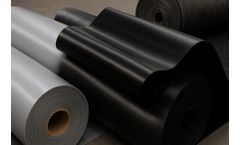
Polymer geomembranes are the dominant category in current practice, with asphalt geomembranes used in composite configurations where appropriate.Geomembrane TypesPolymer (Synthetic) Geomembranes: This category currently dominates the market due to superior physical and chemical properties.Asphalt Geomembranes: Typically composite ...
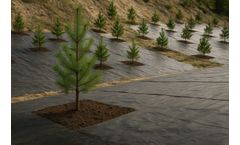
The geomembrane prevents landfill leachate from entering soil and groundwater, protecting local ecosystems and supporting sustainable waste management. EarthShield Geosynthetics provides HDPE geomembranes widely used in environmental protection projects across mining, waste management, aquaculture, and water conservation. ...
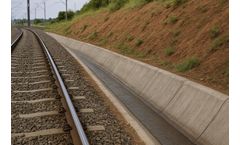
When hydrated, GCCM forms a thin hardened concrete layer that provides erosion and flow control for drainage channels, slope and embankment protection, culvert lining, and erosion control around bridge foundations. ...
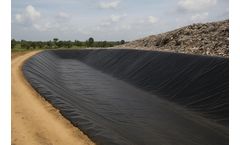
The project upgrades the site with a composite seepage barrier based on EarthShield geomembranes to isolate pollution sources and safeguard local agriculture and water resources.Project OverviewThe core barrier consisted of 50,000 square meters of 1.5 mm EarthShield HDPE geomembrane, manufactured by EarthShield, installed at the bottom and on slopes to form an ...

Product Used: Ocean HDPE Liner 1000 Micron Quantity: 18,000 SQM Location: Surat, Gujarat Introduction Water conservation and efficient containment are critical concerns in infrastructure and agricultural projects across India. Traditional methods of lining ponds using clay or concrete often result in significant seepage, higher maintenance costs, and shorter lifespans. In response to these ...
Product supplied: Ocean Non Woven Geotextile, 3 mm Quantity supplied: 29,000 m² Client: Reliance Bioenergy (project details withheld) Executive summary Ocean Non Wovens supplied 29,000 square metres of 3 mm non-woven geotextile for a Reliance Bio-Energy project that formed a critical part of the facility’s containment, filtration and drainage systems. The geotextile was chosen ...

Textured HDPE Geomembrane is a new type of anti-seepage material made from high-density polyethylene. ...
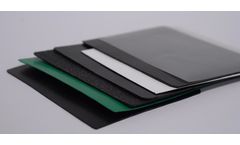
The thickness of HDPE geomembrane liners typically ranges from 0.5mm to 3mm, and the thickness can vary depending on different application requirements. Common geomembrane thicknesses include 0.5mm, 0.75mm, 1.0mm, 1.5mm, 2.0mm, and 3.0mm. The selection of the thickness of HDPE geomembranes (High-Density Polyethylene geomembranes) is usually based on factors such as the operating environment, ...
Geomembrane and geotextile are two commonly used geosynthetic materials, and they have the following similarities: Material properties and uses Material properties: geomembrane and geotextiles are geosynthetic materials, are made of polymer materials, such as polyethylene, polypropylene and other polymer materials. ...

The U.S. Dept of Energy (DOE) classifies critical materials and minerals based on their importance to energy and supply risk. With the new U.S. administration taking office in January 2025, there has been a renewed effort to focus on strengthening the supply of these resources both domestically and ...

Thermally Bonded Non Woven Geotextile: Produced by applying heat to bond the fibers together, this type offers a smoother surface and is often used for applications requiring lower permeability, such as protecting geomembranes. Chemically Bonded Non Woven Geotextile: Made by applying a chemical binder to the fibers, this type offers high strength and stability, ...
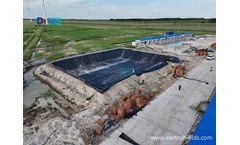
Dear farmers, are you worried about maintaining the floor of your cattle barn? Slippery and muddy not only affect your productivity, More likely to pose a health risk to cattle. Now, we bring the solution - ...
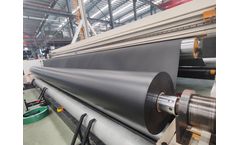
When choosing a geomembrane, you need to consider the following aspects: Geomembrane Material type: Geomembranes are generally divided into high-density polyethylene (HDPE), low-density polyethylene (LDPE), polyvinyl chloride (PVC) and other types. ...
Geomembranes are synthetic materials used extensively in civil engineering for various applications related to containment, environmental protection, and water management. ...

Liners prevent seepage from affecting the speed of treatment, in addition to protecting the surrounding soil and water from environmental damage. With the right mining geomembrane liner, evaporation ponds can be used to process the harshest and most hazardous mixtures without concerns about the effects on the surrounding area.Are Covers Needed? ...