
Refine by
Germicidal Articles & Analysis
42 articles found
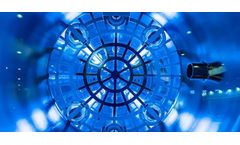
Chlorinating water can lead to the formation of harmful compounds, but there are treatment alternatives Water utilities often chlorinate drinking water to kill pathogens that could pose a risk to human health. However, when chlorine is used to treat water, it can cause a chemical reaction with natural inorganic or organic compounds, which may be derived from decaying plants, algae, or animal ...
ABOUT UVT UV transmittance, UV transmission or UVT is a measurement of the amount of ultraviolet light (commonly at 254 nm due to its germicidal effect) that passes through a water sample compared to the amount of light that passes through a pure water sample. ...
UV-C light is a reliable and effective way to inactivate bacteria, viruses and other harmful microorganisms. Its germicidal properties have been known for over 100 years, but this is the first time it’s been built into a wearable air purifier. ...
As an added layer of protection, the system is co-powered with UV Germicidal Irradiation that inactivates microbes like viruses and bacteria by rupturing their DNA and RNA. ...
Thus, hospitals have taken a wide range of strategic infection protocol steps to curb the spread of the disease, including HVAC systems with germicidal UVC light systems and rooms with negative air pressure for isolation of patients. ...
Features of and Uses for the HealthySole® PLUS Shoe Sanitizer Mat The HealthySole® PLUS is a shoe sanitizing station featuring a patented method of safely and quickly exposing the soles of shoes to UVC germicidal light. This system kills bacteria and other microbes on the soles of footwear This shoe sanitizing station has high efficacy, with a microbe kill rate of up ...

What Ultraviolet Light Ultraviolet (UV) light is one form of electromagnetic energy produced naturally by the sun. UV is a spectrum of light just below the visible light and it is split into four distinct spectral areas – Vacuum UV or UVV (100 to 200 nm), UVC (200 to 280 nm), UVB (280 to 315 nm) and UVA (315 to 400 nm). ...

During the COVID-19 pandemic, the importance of sanitization and cleaning in Data Centers has increased. In this article, we’ll examine cleaning methods and the recommended disinfection procedures for a data center. Modern data centers are usually clean areas with their own air filtration units, controlled access, static mats at many entries, and air pressurization in white spaces with ...
ByAKCP
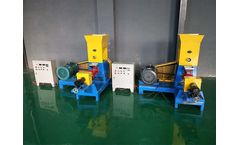
High-temperature and short-term germicidal detoxification process The highest temperature in the puffing process can reach(130-160) °C, while the material in the high-temperature segment is very short, about 5-10 seconds. ...
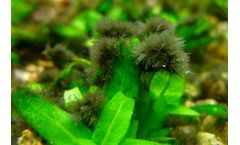
At the same time, you need to change the fish tank water frequently. If possible, you can use germicidal lights to reduce the number of spores in the water. We suggest you try this Aquarium UV Sterilizer. ...

High: higher radiation output has a greater effect on germicidal effectiveness at higher power. Low: lower radiation output is more energy efficient, but is less effective in inactivating pathogens. ...
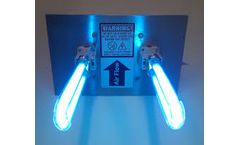
High: higher radiation output has a greater effect on germicidal effectiveness at higher power. Low Pressure: lower radiation output is more energy efficient, but is less effective in inactivating pathogens. ...
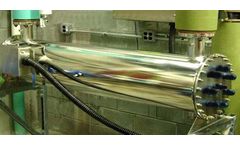
Low Pressure/High Output: Mid-range lamps in terms of energy efficiency and germicidal effectiveness. Optimal for higher flow systems that also seek improved energy efficiency. ...
Water reuse is, and will continue to be one of the biggest considerations for companies all over the world in the battle against water scarcity. By reusing process water, grey water, and wastewater, buildings and facilities will reduce their demand for raw water from surface and groundwater sources and reducing the associated costs of supplying raw water and treating raw water before use. One of ...

Chlorine (dichloroisocyanurate) containing germicides were able to inhibit the growth of C.difficile as well as inactivate C.difficile spores showing greater effectiveness than other compounds used (Fawley, 2007)17. ...
If the flow stops it may be necessary to switch the reactor off, but then, when it restarts it will need a warm-up time before it can guarantee to deliver the full germicidal dose and this may necessitate a run to waste or a recycle line. 3. ...

Polaris Scientific is proud to announce that our UV Series line of sterilization systems is now in the process of being replaced by our new UVA Series line which has the added benet of Polaris Scientics New Patented 4 Pin Germicidal Lamp design. The new patented staggered 4 Pin design will be exclusive to Polaris UV customers and will not be available elsewhere. ...

Anionic: Have one or more negatively (-) charged groupings; commonly used in laundry detergent Cationic: Have one or more positively (+) charged groupings, typically poor detergents but well suited for use as germicides, fabric softeners and emulsifiers. Amphoteric: Contain both anionic and cationic groupings; prefer neutral pH and found in products such as hair shampoo, skin ...
The most important of these variables is germicidal ultraviolet light which must be at a specific wavelength in order to be effective. ...
UVC: Shortwave spreads across the 200 to 280 nm range and is commonly known for its germ killing properties and is used as a germicidal control in the health and food industries. For most industrial and commercial applications UVA is the most useful and thus commonly utilized of the UV wavelengths. ...